
How should period underwear fit? It should feel snug and secure without digging into your skin. The waistband and leg openings should stay close to your body, while the absorbent panel remains centered during walking, sitting, exercise, and sleep.
Period underwear may look like ordinary underwear, but its fit has an extra job: keeping the absorbent area where menstrual fluid is most likely to reach it. Waistband tension, leg openings, crotch placement, coverage, body shape, and flow level can all affect comfort and leak protection.
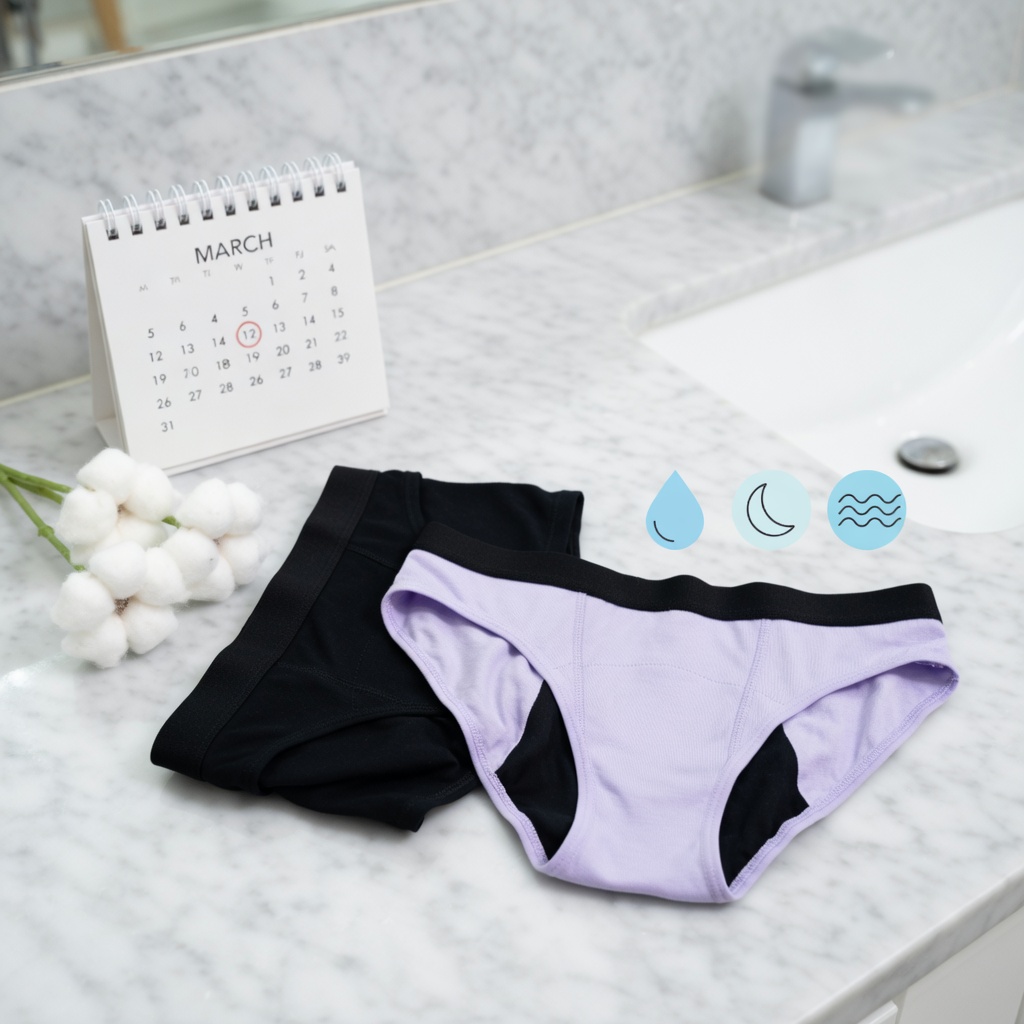
Waistband Fit: Secure Without Digging
The waistband should sit flat and remain stable without rolling, sliding, or creating deep pressure marks. A loose waistband can let the garment move from side to side or slide downward, pulling the absorbent panel away from its intended position. An overly tight waistband can become uncomfortable after several hours.
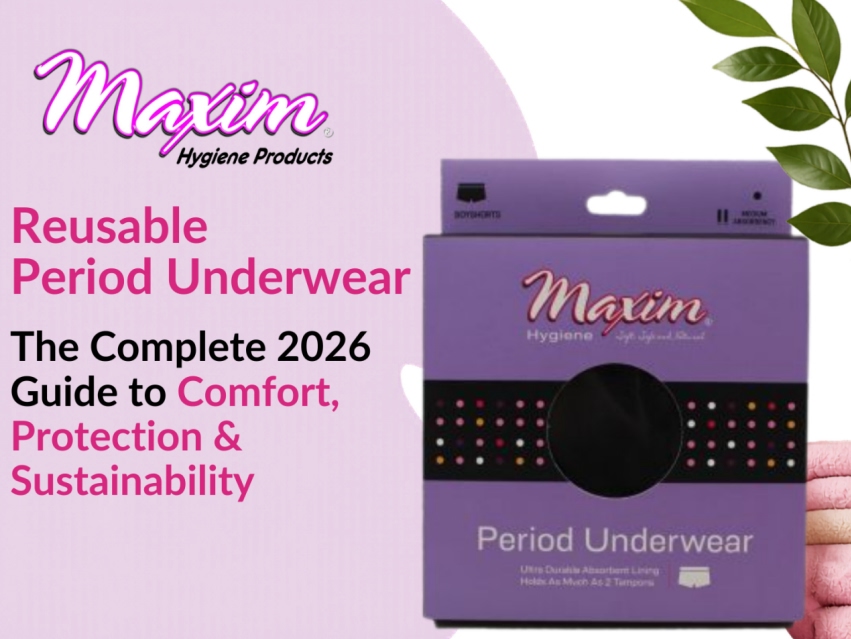
A useful fit test is to sit, stand, bend, and walk after putting the underwear on. If you keep adjusting the waistband, try a different size or an adjustable design. Maxim’s adjustable-waist period underwear comes in paired size ranges—XS/S, M/L, and XL/XXL—so wearers can fine-tune waistband tension. The product is available in medium and heavy absorbencies.
Quick Period Underwear Fit Test
- The waistband stays level when you move.
- You can breathe, sit, and bend comfortably.
- The fabric does not roll or bunch at the waist.
- You do not need to pull the underwear back into position.
- Pressure marks do not persist after removal.
Snug Versus Too Tight
Snug does not mean compressed. Correctly sized underwear makes gentle contact with the body and follows your shape. Underwear that is too small may pinch, rub, or distort the absorbent panel. Underwear that is too large may gap at the waist or legs and move during activity.
| Fit area | Good fit | Possible sizing problem |
|---|---|---|
| Waistband | Secure without digging | Rolling, slipping, or deep marks |
| Leg openings | Close to the body | Visible gaps or uncomfortable pinching |
| Absorbent panel | Centered beneath the body | Shifts forward, backward, or sideways |
| Rear coverage | Stays covered during movement | Edges ride up or expose gaps |
| Overall feel | Snug and comfortable | Constant adjusting, rubbing, or bunching |
Why Leg Openings Help Prevent Leaks
Leaks do not always mean the absorbent core is full. A noticeable gap around a leg opening can let fluid bypass the absorbent area, especially during movement or side sleeping. The openings should make gentle contact with your body without pinching or rubbing.
Check both sides in a mirror and move through a few positions. If one side gaps while the other feels tight, a different cut may suit your body better. Bikini, brief, boyshort, and high-waisted styles distribute fabric differently even when their size labels match.
Front-to-Back Coverage Matters
How should period underwear fit when coverage varies? Two pairs labeled the same size can provide very different coverage. Look at how far the absorbent panel extends toward the front and back. Daytime wear, exercise, and sleep may require different coverage because body position and movement change where fluid reaches the garment.
For sleep or heavy-flow days, look for enough rear coverage to remain under the body when you lie down. If leaks repeatedly occur beyond the front or back edge while the core is not saturated, the panel may be too short for your needs.

Match Absorbency With Your Flow
Ask two separate questions: Does it fit my body, and does the absorbency match my flow? A medium size may fit perfectly while still needing heavy absorbency during the first days of a cycle.
The FDA explains that period underwear is an external menstrual product that absorbs flow after it leaves the body. It also advises changing menstrual products regularly and following the product instructions.
Cleveland Clinic notes that wear time depends on individual flow; heavier days can require more frequent changes. A garment that becomes saturated early needs a higher absorbency or an earlier change, even when the fit is correct.
Maxim’s adjustable period underwear uses an organic-cotton inner layer, absorbent core, and breathable leak-resistant TPU layer. Its medium and heavy options are described as holding roughly two or three regular tampons’ worth of flow, depending on the selected absorbency. Treat that comparison as a product guide rather than a fixed wear time because flow and activity vary.

Measure Your Waist and Hips
- Check the brand’s size chart. Sizes are not identical across brands.
- Measure your waist. Keep the tape level and comfortably close to the body.
- Measure the fullest part of your hips. Stand naturally without pulling the tape tight.
- Use the larger measurement when between sizes. Then review the brand’s guidance for the garment’s cut and stretch.
- Test the fit before relying on it for heavy flow. Start at home or on a lighter day.
Body measurements can change across a cycle, after pregnancy, or with normal weight fluctuation. Adjustable period underwear may provide useful flexibility when measurements fall between conventional sizes.
Common Causes of Leaks
When asking how should period underwear fit after a leak, start with its location and timing. These clues can help identify the cause:
- Leak near a leg: Check for gaps, bunching, or a shifted panel.
- Leak at the front or back edge: Consider a style with longer coverage.
- Leak after several hours: The absorbent core may be saturated.
- Leak during sleep: Try heavier absorbency and greater rear coverage.
- Leak during movement: Recheck waistband tension and overall sizing.
If the fit seems secure, review washing and care instructions. Fabric softener and some improper care methods can reduce performance. This guide to period underwear care mistakes explains how to protect absorbency. For travel and changing routines, see the period underwear travel guide.
Signs You Need Another Size or Style
- The waistband rolls, slides, or digs in.
- There are gaps around either leg opening.
- The crotch bunches during ordinary movement.
- The absorbent panel moves away from the center.
- Leaks happen before the panel appears saturated.
- Coverage is too short for sleep or activity.
- Discomfort stops soon after removing the underwear.
Persistent irritation, pain, or unusual symptoms deserve medical advice. Fit changes can improve comfort, but they should not be used to explain away a health concern.
Frequently Asked Questions
How should period underwear fit at the leg openings?
The leg openings should stay close to the body without visible gaps, pinching, or rubbing. They should remain in place when you sit, walk, bend, or sleep.
Should period underwear feel tight?
It should feel snug and stable, not restrictive. Deep marks, numbness, persistent rubbing, or difficulty moving comfortably suggest that the size or cut may be too tight.
Should I size up or down in period underwear?
Use the brand’s waist and hip chart rather than your usual clothing size alone. If your measurements span two sizes, follow the brand’s recommendation and consider the larger measurement, garment stretch, and whether the waistband is adjustable.
Can period underwear leak even when it fits?
Yes. Leakage can occur when the absorbency is too low, the garment has reached capacity, coverage is too short, or care practices have affected performance.
Can I wear a pad with period underwear?
Some people use an external product as added backup on particular days. If you do, make sure the adhesive and wings sit securely without bunching the absorbent panel. Organic cotton pads and pantiliners are one option for a flexible routine.
Final Fit Checklist
How should period underwear fit? It should remain close to the body, keep the absorbent panel centered, provide enough front-to-back coverage, and feel comfortable for the activity and wear time. The best protection comes from combining correct sizing with the absorbency your flow requires.
Choose by measurements rather than the label alone. Test the waistband and leg openings through natural movement, confirm the panel covers the areas where you need protection, and change the garment before it becomes saturated. A secure, comfortable fit makes reusable period care more predictable and easier to trust.