
A pelvic floor trainer can add real-time feedback and structure to Kegel exercises, but the device is only one part of the routine. Correct muscle engagement, relaxation, consistency, and appropriate professional guidance all matter.
What is a pelvic floor trainer?
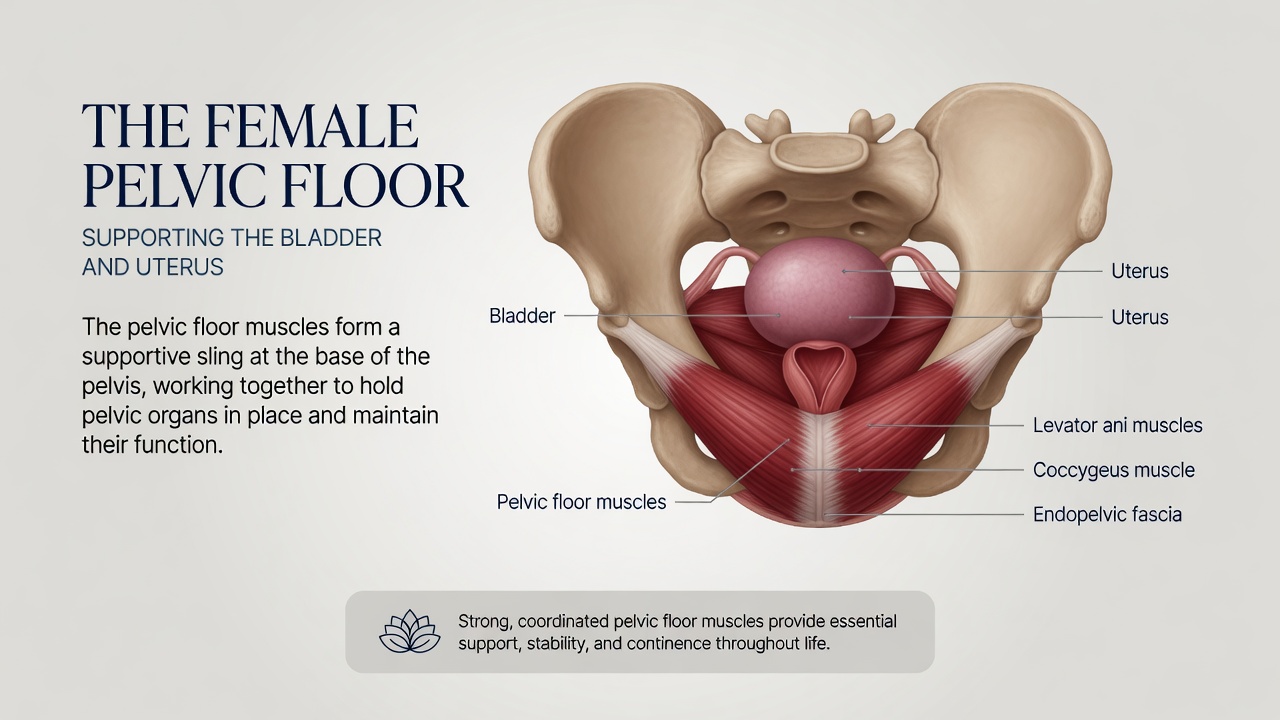
In practice, your pelvic floor is a group of muscles that supports the bladder, uterus, bowel, and other pelvic organs. Kegel exercises—also called pelvic floor muscle training—focus on contracting and fully relaxing these muscles. Because the movement is subtle, many people are unsure whether they are squeezing, bearing down, or recruiting the abdomen and glutes instead.
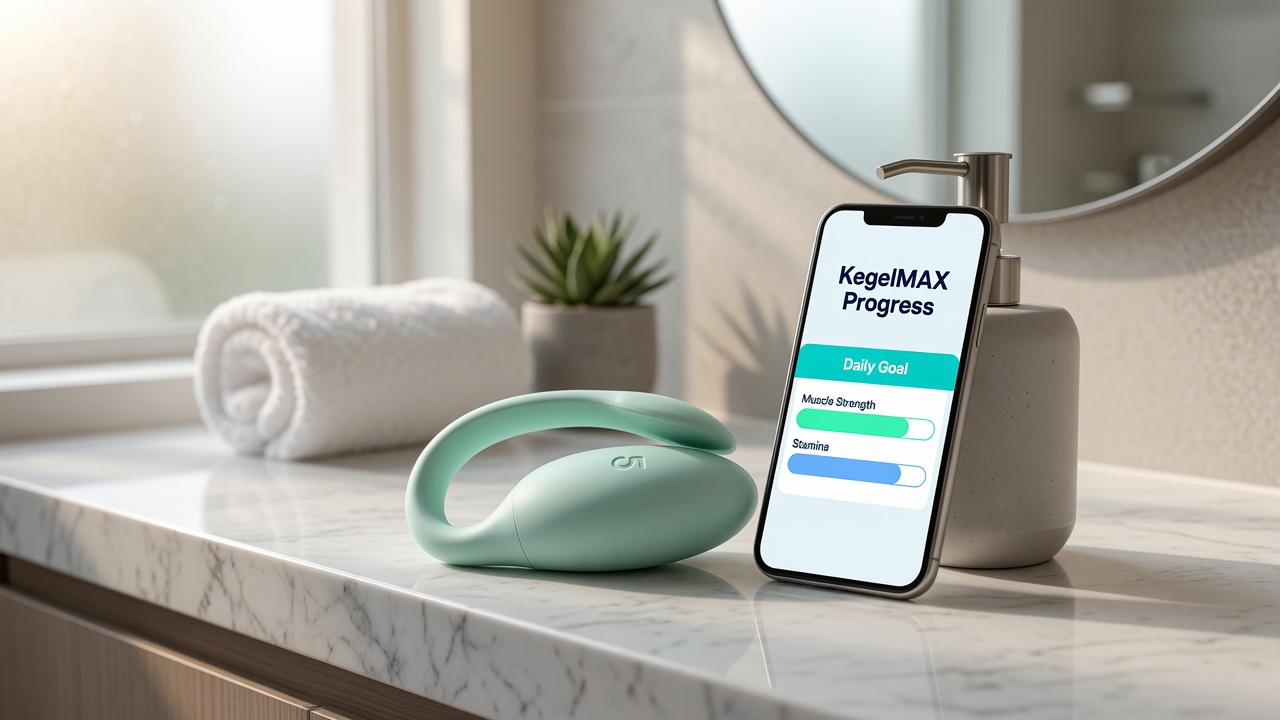
Specifically, KegelMax is an app-connected pelvic floor exercise device designed to provide biofeedback. According to the product site, force sensors measure the squeeze while motion sensors monitor tilt and can flag a downward push. Additionally, guided routines, games, and progress tracking are intended to turn that feedback into a repeatable home practice.
Why correct Kegel technique matters
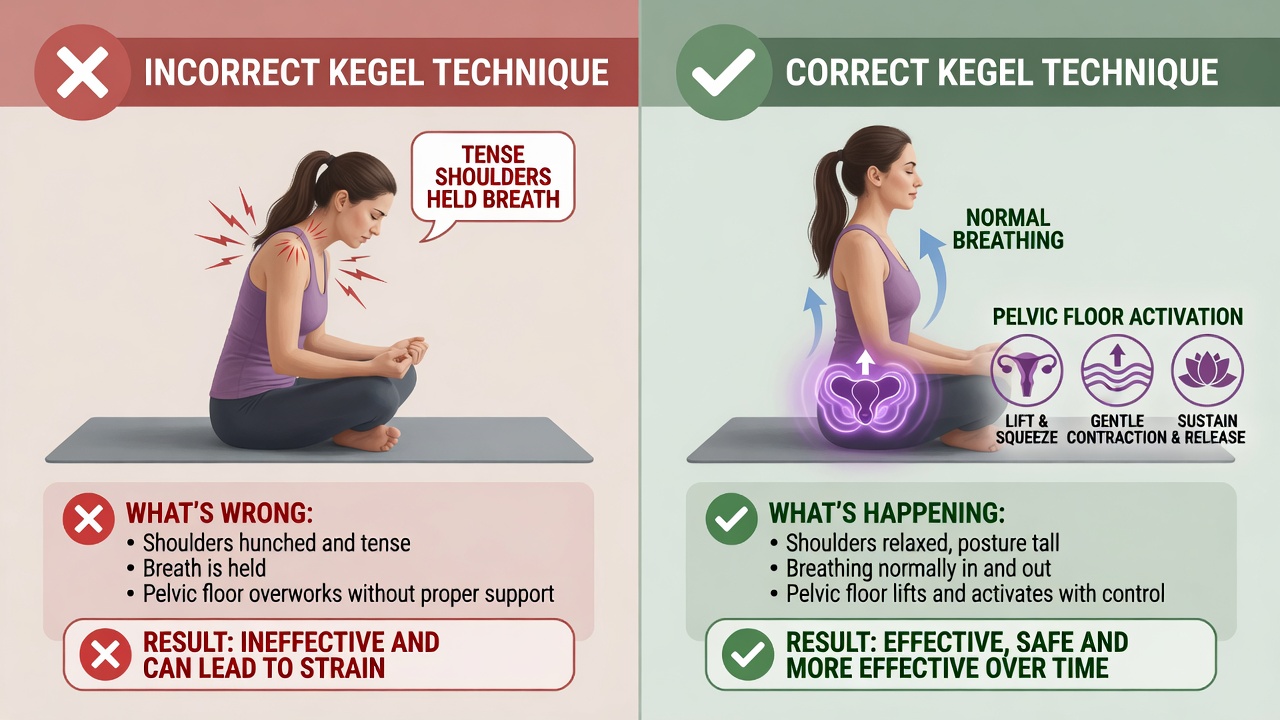
However, a stronger squeeze is not automatically a better squeeze. As a result, effective pelvic floor training includes a controlled lift, normal breathing, and a complete relaxation between repetitions. For instance, the Mayo Clinic recommends focusing on the pelvic floor without tightening the stomach, thighs, or buttocks. It also cautions against routinely stopping urine midstream as an exercise because doing so may keep the bladder from emptying fully.
How biofeedback supports pelvic floor exercises
A pelvic floor trainer can translate subtle muscle activity into feedback you can understand.
For example, pelvic floor biofeedback turns a muscle action you cannot easily see into a signal you can follow. A compatible pelvic floor exerciser may help you:
- recognize whether you are contracting or pushing downward;
- follow guided contraction and relaxation intervals;
- track changes over time without relying on memory;
- build a short, consistent training habit; and
- bring clearer observations to a pelvic-health professional.
A simple Kegel exercise routine
- Identify the right muscles. Imagine gently stopping gas and lifting internally.
- Choose a comfortable position. Lying down may be easiest at first; progress to sitting or standing.
- Contract and breathe. Hold a comfortable squeeze for about three seconds without holding your breath.
- Relax fully. Release for the same length of time. Relaxation is part of the exercise.
- Repeat consistently. Follow professional advice or the structured routine provided with your trainer.
Therefore, do not chase fatigue, pain, or maximal effort. However, pelvic-floor muscles can also be overactive or tense, and more strengthening is not right for everyone.
Who should check with a healthcare professional first?
A pelvic floor trainer is not appropriate for every symptom or life stage.
Importantly, ask a clinician or pelvic floor physical therapist before using an internal trainer if you are pregnant, recently gave birth, have pelvic pain, prolapse, unexplained bleeding, an infection, or another pelvic-health condition. Likewise, Likewise, KegelMax advises waiting for professional approval after childbirth, commonly at the six-week checkup. Otherwise, if exercises worsen pain or urinary symptoms, stop and seek individualized advice.
Choosing a smart pelvic floor trainer
A pelvic floor trainer works best when it supports controlled contractions, full relaxation, and consistent practice.
Ultimately, look beyond the app graphics. Consider body-safe materials, cleaning instructions, device fit, sensor feedback, phone compatibility, privacy practices, and the quality of education provided. Above all, a trainer should support a sound routine—not replace medical assessment.
For additional support, learn about the KegelMax pelvic floor muscle trainer. For technique guidance, see the Mayo Clinic Kegel exercise guide, and explore more health and wellness articles.
In summary, this article is educational and does not diagnose or treat pelvic-floor conditions. A qualified healthcare professional can help determine whether pelvic floor strengthening and an internal trainer are appropriate for you.