In recent years, consumer awareness around product safety has expanded far beyond food and cosmetics—into everyday personal care items like tampons. Among the most discussed concerns is exposure to Bisphenol A (BPA), a chemical historically used in certain plastics. While BPA’s role in food packaging has been widely scrutinized, its relevance in menstrual product applicators is equally important, especially considering the sensitivity of the vaginal environment.
Understanding what BPA is, why it matters, and how modern product design addresses it can help individuals make more informed decisions about their period care.
What Is BPA and Why Is It a Concern?
BPA is an industrial chemical used in the production of polycarbonate plastics and epoxy resins. According to the U.S. Food and Drug Administration, BPA can migrate into food or liquids from containers made with the substance, raising concerns about potential health effects.
Research summarized by the National Institute of Environmental Health Sciences suggests that BPA may act as an endocrine disruptor, meaning it can mimic or interfere with the body’s hormones. While the extent of risk varies depending on exposure levels, the conversation has led many manufacturers to proactively eliminate BPA from consumer products—including menstrual applicators.
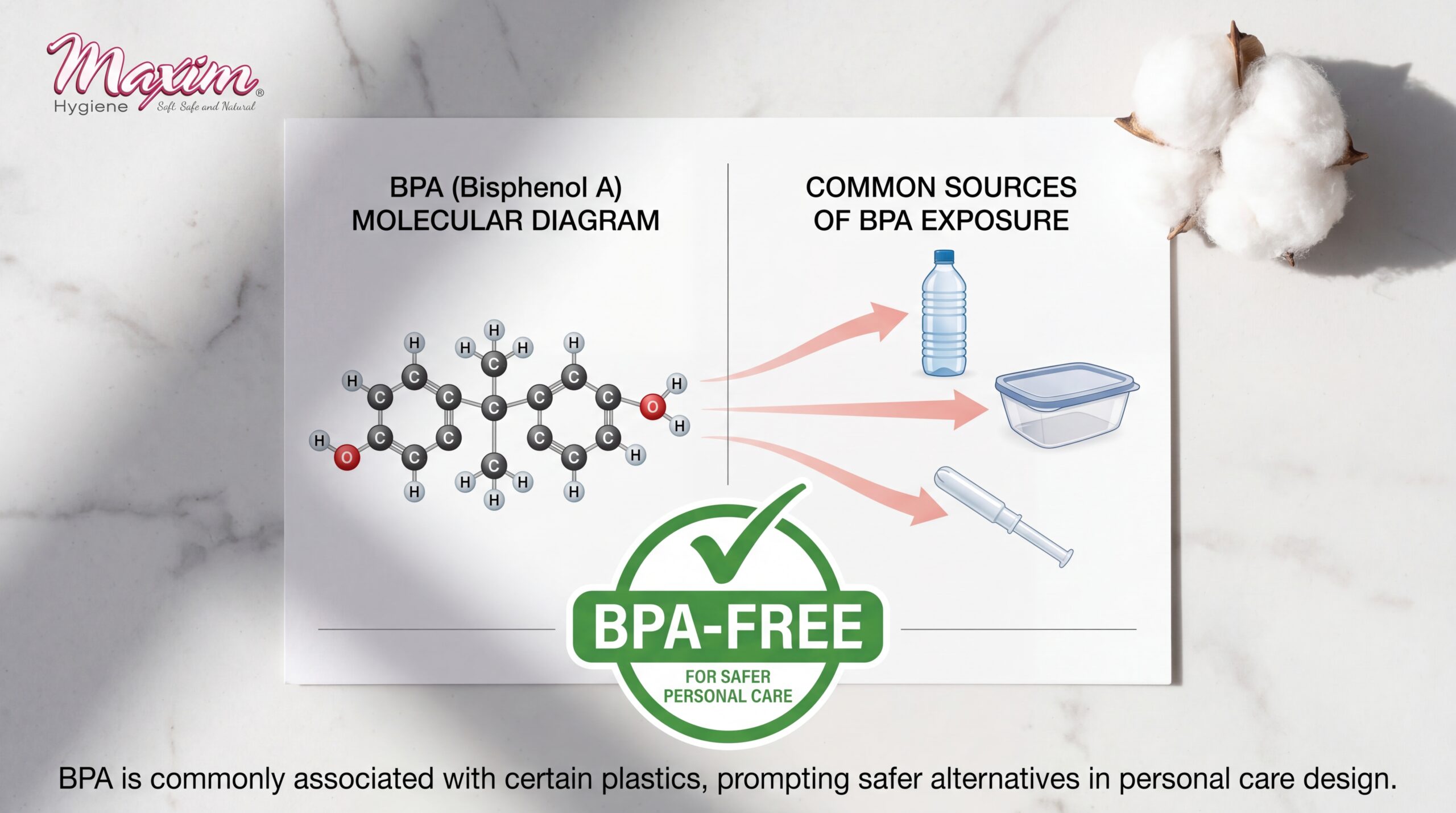
BPA-free personal care design helps reduce exposure to plastics commonly linked with BPA.
Why Applicator Materials Matter in Menstrual Products
Tampon applicators are designed for ease of use and hygiene, but the materials used in their construction are just as important as their functionality. The vaginal mucosa is highly absorbent, which means it can be more sensitive to chemical exposure than other parts of the body.
Because of this, regulatory frameworks such as the FDA’s 510(k) clearance process evaluate tampons (including applicators) for safety and biocompatibility. Manufacturers must demonstrate that their materials are safe for their intended use.
Choosing BPA-free applicators is one way brands align with both regulatory expectations and consumer demand for safer materials.
The Shift Toward BPA-Free Plastic Applicators
In response to growing awareness, many manufacturers now use polyethylene or polypropylene plastics, which do not require BPA in their production. These materials maintain the smooth, comfortable insertion that plastic applicators are known for—without the associated chemical concerns.
For example, the Maxim Hygiene line of organic cotton tampons with BPA-free plastic applicators demonstrates how safety and usability can coexist. By combining a BPA-free applicator with certified organic cotton, the product reflects a broader industry movement toward minimizing unnecessary chemical exposure.
You can explore their product here:
https://maximhy.com/organic-cotton-plastic-applicator-tampons
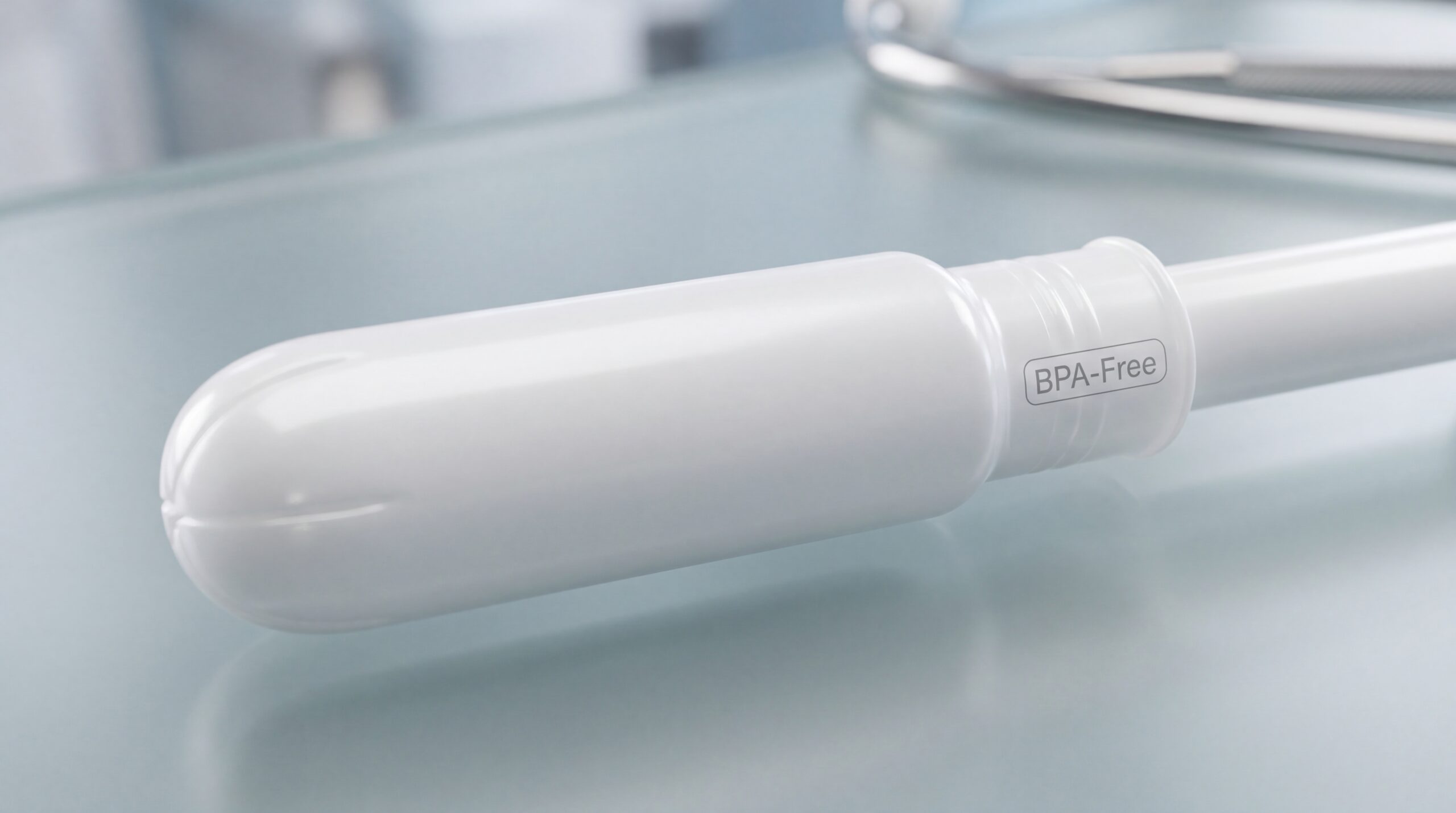
BPA-free applicator designed for safer, cleaner personal care use.
Regulatory Oversight and Safety Standards
In the United States, tampons are regulated as medical devices. The FDA requires manufacturers to provide data demonstrating that their products are:
- Non-toxic
- Non-irritating
- Safe for mucosal contact
Additionally, global standards such as those from the International Organization for Standardization guide quality management systems in manufacturing, ensuring consistency and safety across production.
These frameworks don’t always mandate “BPA-free” labeling, but they do require that any material used must be proven safe. As a result, many companies go beyond minimum compliance by removing controversial substances altogether.
Balancing Safety, Comfort, and Practical Use
While cardboard applicators and non-applicator tampons are often promoted for environmental reasons, plastic applicators remain popular due to their smoothness and ease of insertion—particularly for first-time users or those with sensitivity concerns.
The key distinction today is not simply plastic vs. non-plastic, but what type of plastic is being used. BPA-free options provide a middle ground: maintaining comfort while addressing safety concerns.
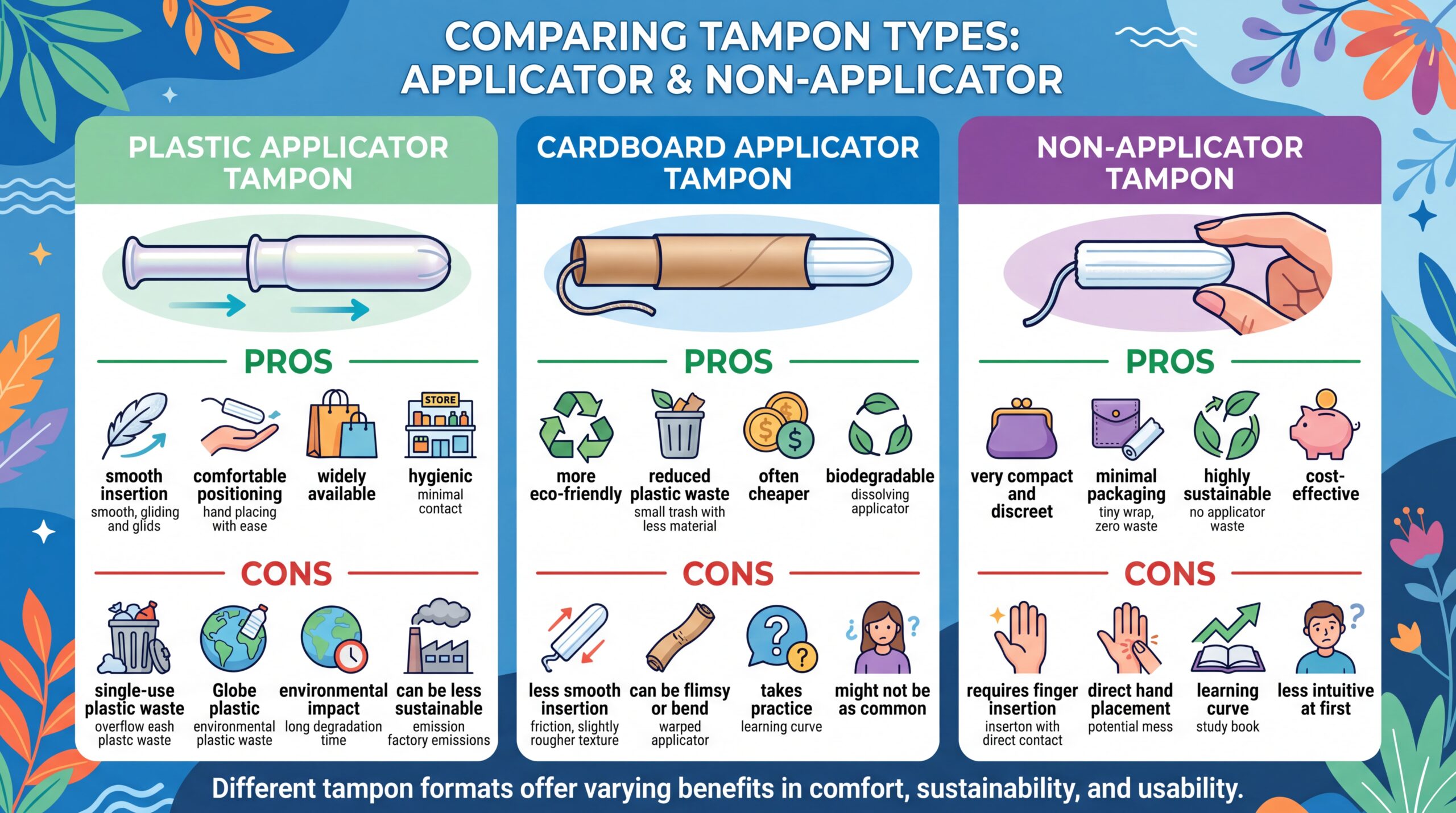
A side-by-side comparison of tampon types, showing how applicator and non-applicator options differ in comfort, waste, cost, and ease of use.
Making Informed Choices in Period Care
Selecting menstrual products is a personal decision shaped by comfort, lifestyle, and health considerations. Understanding the materials involved—especially in components like applicators—adds another layer of informed choice.
BPA-free plastic applicators represent a thoughtful evolution in product design. They address consumer concerns without sacrificing convenience, aligning with a broader trend toward transparency and safety in personal care.
As awareness continues to grow, the expectation is clear: products should not only work effectively but also meet higher standards of material integrity. For many users, that begins with something as simple—and as important—as choosing BPA-free.