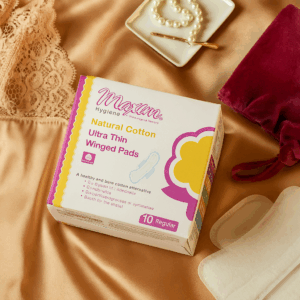
In the world of feminine hygiene and baby care, nonwoven materials reign supreme as
essential components of products like sanitary pads and diapers. These innovative fabrics
offer unparalleled comfort, absorbency, and reliability, but their origins often trace back to
the petrochemical industry. Let’s unravel the story of nonwoven materials in sanitary pads
and diapers, their petrochemical sources or byproducts, and the quest for more sustainable
alternatives.
1. The Nonwoven Advantage: Nonwoven materials are engineered fabrics made from
fibers or filaments that are bonded together through mechanical, thermal, or
chemical processes. These fabrics eschew traditional weaving or knitting techniques,
offering a wide range of benefits such as strength, softness, breathability, and fluid
absorption. In sanitary pads and diapers, nonwoven materials form the absorbent
core and outer layers, providing comfort and protection for users.
2. Petrochemical Origins: Many of the raw materials used in nonwoven manufacturing,
including synthetic fibers and resins, originate from petrochemical sources or
byproducts. Polypropylene and polyethylene, two common synthetic fibers used in
nonwoven materials, are derived from propylene and ethylene, which are obtained
from the cracking of hydrocarbons found in crude oil or natural gas. These raw
materials undergo processes such as polymerization and extrusion to create fibers
that are spun into nonwoven fabrics.
Additionally, binders and adhesives used in nonwoven materials often contain
petrochemical-based ingredients. These substances help bond the fibers together,
improving the strength, durability, and performance of the nonwoven fabric.
3. Environmental Considerations: While nonwoven materials offer numerous benefits in
terms of performance and functionality, their reliance on petrochemical-derived
materials raises concerns about environmental sustainability. The extraction,
processing, and disposal of petrochemicals can have significant environmental
impacts, including greenhouse gas emissions, habitat destruction, and pollution of air
and water resources.
Moreover, the end-of-life management of nonwoven materials presents challenges in
terms of recycling and biodegradability. Many nonwoven products end up in landfills,
where their synthetic components may persist for hundreds of years, contributing to
plastic pollution and environmental degradation.
4. Pursuing Sustainable Alternatives: In response to these challenges, there is a growing
movement towards developing more sustainable alternatives to petrochemical-
derived nonwoven materials. This includes exploring renewable and biodegradable
fibers, such as cotton, bamboo, and hemp, as well as eco-friendly binders and
adhesives derived from plant-based sources.
Additionally, innovations in recycling and circular economy approaches are helping to
minimize the environmental impact of nonwoven materials. By reclaiming and
repurposing post-consumer and post-industrial waste, manufacturers can reduce
their reliance on virgin petrochemicals and mitigate the environmental footprint of
nonwoven production.
In conclusion, while nonwoven materials play a vital role in enhancing the performance and
comfort of sanitary pads and diapers, their connection to the petrochemical industry
underscores the importance of pursuing more sustainable alternatives. By embracing
renewable materials, eco-friendly manufacturing processes, and circular economy
principles, we can pave the way for a more sustainable future for feminine hygiene and baby
care products.