Every two seconds, someone in the United States needs blood.
More than 41,000 blood donations are needed every day.
And our healthcare system depends on the charity of the American population. Although only 37% of the US population is qualified to give blood, only about 10% give blood annually. And yet, every year thousands of cancer patients, premature infants, trauma victims, and transplant patients require blood transfusions to survive.

January is National Blood Donation month and we’re encouraging you to go donate your blood so that someone can live for a few more months or a few more years. Many people have asked why January? According to the American Red Cross, January is the month when most people face barriers to donating like bad weather and flu symptoms, but it is the month when blood is thought to be needed the most, owing to icy roads and low donations.
Donating blood actually has several health benefits. Blood donors are 88% less likely to suffer a heart attack and 33% less likely to suffer any type of cardiovascular event. They’re also less likely to develop cancer. Why? When you donate blood, you expel iron from your blood stream which can lead to the hardening of your arteries. And, if that wasn’t enough of an incentive, a one time blood donation helps you lose 650 calories – a great side effect for those of us shedding holiday weight!
A lot of people know that donating blood is a good thing, but not how much of an impact it can make. Hundred of surveyed donors have reported giving blood for the fuzzy feel-good feeling that courses through our bodies when we know we have contributed to saving a life. Need some incentive? Watch Will Smith’s Seven Pounds — we have no doubt you’ll be calling up the DMV to change your organ donor status.
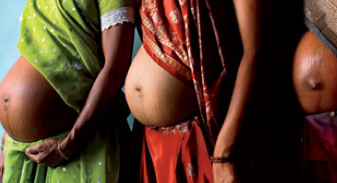
Blood donation in the U.S. is low, but globally, it is even lower and it is in developing countries that blood is more vital to the survival of populations. For example, one of the primary causes of death for women in developing countries is hemorrhaging from giving birth; another is catching HIV from unclean or untested blood transfusions. The infrastructure and funding for healthcare systems in developing countries is not significant enough to support primary health initiatives, so blood testing, collection and donation is nowhere near the top of the priority list.
So, celebrate the fact that we live in a society where we can take small steps to help others in a tremendous way and find the hero in you. Visit The Red Cross website and find a local donation site, grab your friends, and save lives.