
While everyone may have been focused on analyzing President Trump’s first 100 days in office this past week, we’re checking in with our 2017 intention of ‘discovering what it means to be feminine‘ and getting ready for a bunch of celebrations in honor of Women’s Health Month and Menstrual Hygiene Day! Before we address the health aspect of this month’s focus, let’s check in with what must come first – women! Because how can we even begin to refine our feelings on being feminine without an exploration of the feminist movement?
What does it mean to be in a gendered body in 2017? What does it mean to be in a body upon which other people project their own perceptions, beliefs, dogmas, energy, words, behavior and so much more? We live in a year where people are starting to better understand that the ideas of feminine and masculine are no longer the only parameters for how people claim their humanity and indeed the truest parts of who they are. And so, to live outside of binary thinking, and to challenge the weight that patriarchal tradition needs to thrive requires a new way, a new feminism… or does it?
Picture Credit: Me.Me
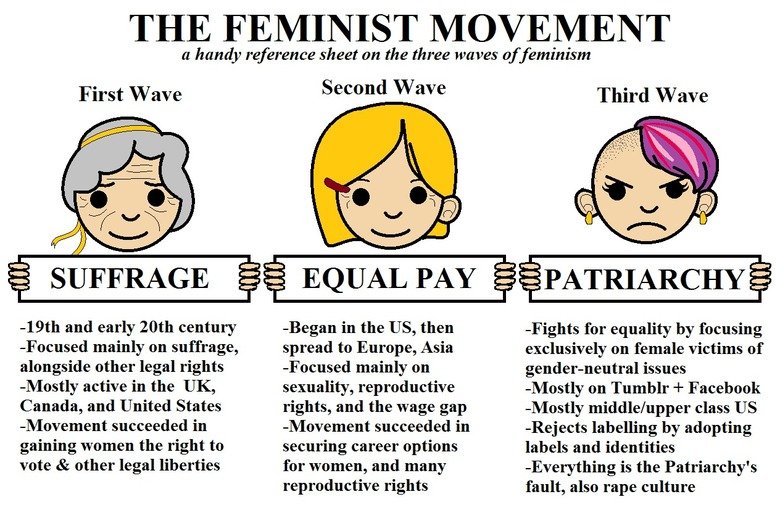
People who cared to classify and know, know that there are three, more commonly referenced waves of American feminism. The first wave of feminism started in the second half of the 19th century around matters of representation in industrialized labor movements and rights to the vote. The second wave of feminism began in the 1960’s when woman activists and their allies rallied to draw attention to minorities around the globe that suffered at the face of gender inequity- in America many groups and individual humans fought to pass the Equal Rights Amendment, and though the ERA didn’t pass, Title IX passed in 1972. Then there was the third wave- which many argue we’re still in- that began in the 1990’s where women began addressing a whole host of concepts, like “universal womanhood,” body, gender, sexuality and heteronormativity, that would lead us to think through the much larger lens that sweeps throughout American feminism now- intersectionality.
Intersectionality is a concept that makes sure we know that there are places where all of the different identities people hold touch and intersect in ways that create different types of power and oppression. For example, someone who can identify as Caucasian by American standards and yet still is an undocumented immigrant may experience certain privileges that white Americans have, but will still experience different threats to their well-being and safety as well as barriers to employment. Intersectional Feminism works to try to honor all the complexities and implications of the many identities individuals carry. This makes whatever wave feminists are in today extraordinarily complex.
Clear Intersectional Victories in the First 100 Days:
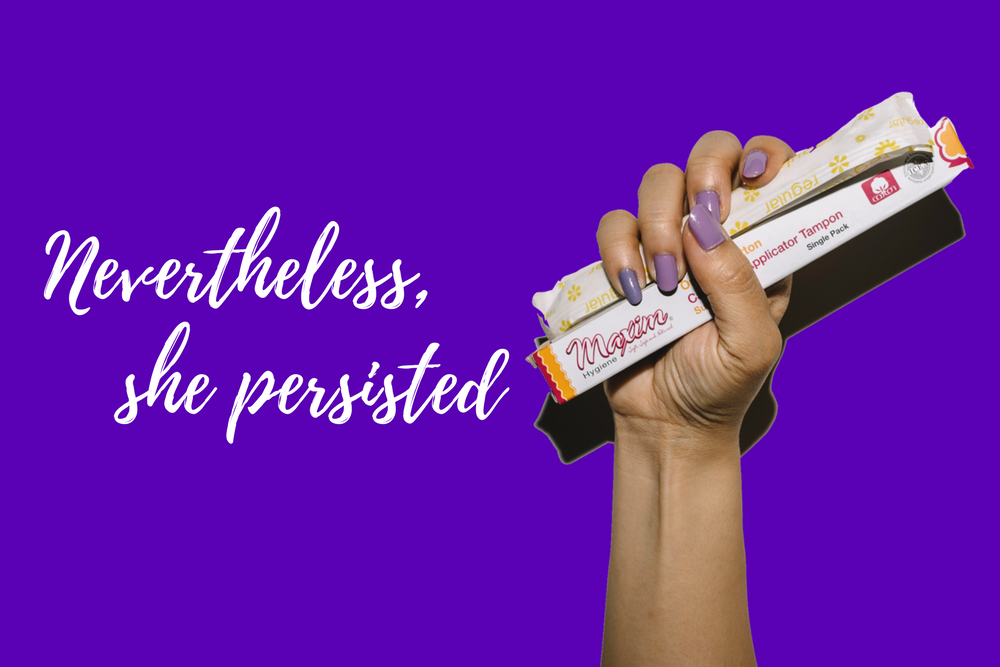
- Elizabeth Warren persisted- In a moment of clear tension and an attempt to stop Warren from speaking Corretta Scott King’s words on the senate floor, Steve Daines made the mistake of trying to condescend to Warren by saying “She was warned. She was given an explanation. Nevertheless, she persisted,” which are words that blanched the hearts of many driven, fierce humans around the world. Of course we will persist!
- The Excelsior Program- With Representative Caroline Maloney and Secretary Hillary Clinton present, Governor Andrew Cuomo signed policy that will allow students to go to college for free if they live in a household that makes less than 100 thousand dollars a year. With women in the room, history shifted for thousands of New Yorkers who want to attend college but may not have the means.
- The Formation Scholarship- Once Beyonce’s newest album, Lemonade, came out, many couldn’t fathom the next steps that the matriarchal mastermind Beyonce would take, and then she announced that she’d be taking essay submissions from women in the U.S. (who intended to study at Howard University, Spelman College, Parsons School of Design and Berklee College of Music) about what Lemonade meant to them and did for them. Beyonce will be picking a handful of young women and paying an undisclosed amount for their undergraduate or graduate degrees.
- International Women’s Day Strike- On Wednesday, March 8th, women and allies from all walks of life protested by refraining from spending and demonstrating the hole that would be created in labor when women didn’t show up at work.
- Honoring the dead and showing solidarity- In a move that shocked many, February of 2017, a Palestinian Women’s March organizer, named Linda Sarsour, took initiative to begin raising money to rejuvenate Jewish cemeteries that had been defaced in Louisiana.
In the face of this new feminism, one that’s multi-faceted and has surely demanded women answer many questions about values, boundaries, love, and coalition building, Maxim is curious to know:
Are you a feminist and what does feminism mean and look like to you?
Comment below or if you click here to take the 30 second survey, we’ll email you back with an exclusive $5.00 Off Coupon for your next purchase of Maxim organic cotton tampons and natural personal care products at our online store. We want to know your thoughts. Because women’s rights and human rights are important to us.