Ever had a day when a misplaced coffee cup felt like a personal betrayal? Or a harmless comment from a colleague suddenly made your eyes sting with tears? Maybe you caught yourself thinking, “Why am I reacting like this?”
Then, a day or two later, your period arrived.
For many women and people who menstruate, premenstrual mood swings are not random. They are cyclical, predictable, and deeply connected to the body’s hormonal rhythm. Yet society still treats them like a joke, an insult, or proof that women are “too emotional.”
That needs to change.
PMS mood swings are not hysteria. They are not weakness. And they are not a character flaw. They are part of a real biological pattern that deserves education, empathy, and better support.
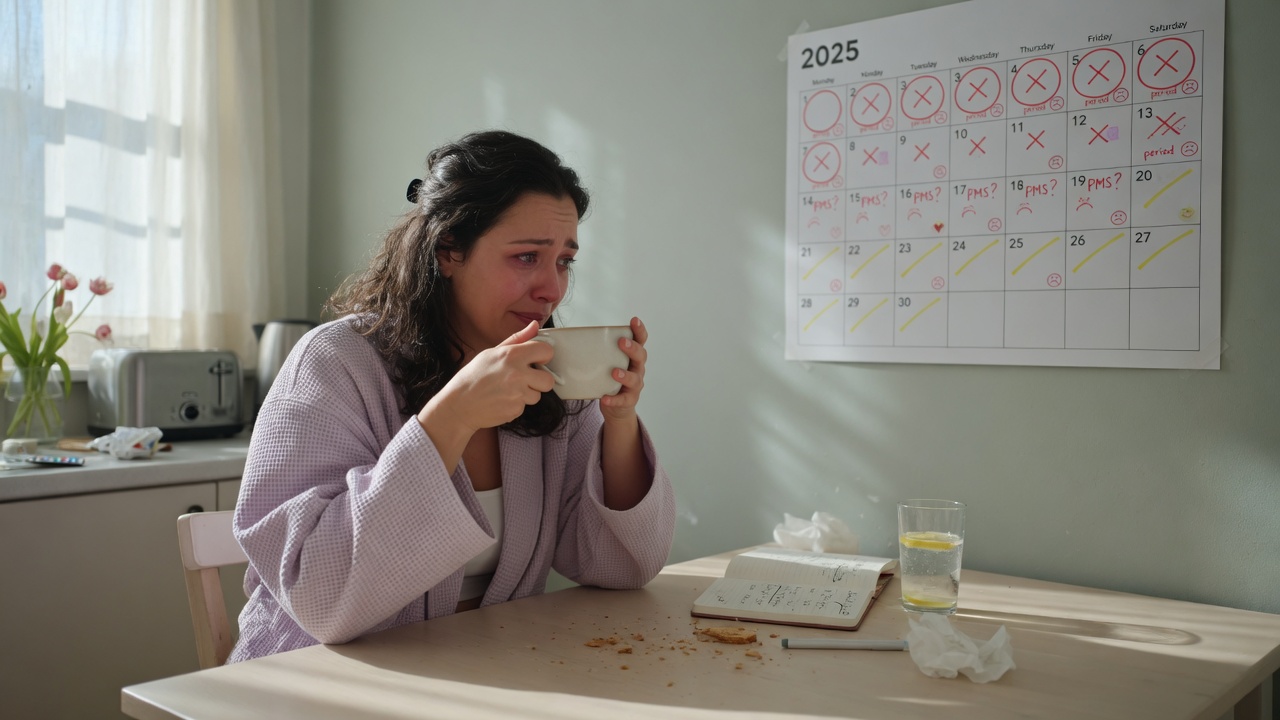
PMS mood swings can feel sudden, but they often follow a real hormonal pattern.
What Are PMS Mood Swings?
Premenstrual syndrome, or PMS, refers to physical and emotional symptoms that happen before a period and usually improve once menstruation begins. Cleveland Clinic explains that PMS can start one to two weeks before a period and may include mood swings, irritability, sadness, headaches, breast soreness, and other symptoms.
Mood-related PMS symptoms can include:
- Irritability
- Sudden sadness
- Anxiety
- Anger or frustration
- Crying more easily
- Feeling emotionally sensitive
- Trouble concentrating
- Sleep changes
- Food cravings
These symptoms vary widely. Some people feel mildly more sensitive. Others experience mood shifts that interfere with work, relationships, parenting, school, or daily responsibilities.
That range matters because not every emotional premenstrual symptom is “just PMS.” Severe, disabling mood symptoms may point to premenstrual dysphoric disorder, or PMDD, a more serious condition that deserves medical attention.
It Is Not “All in Your Head”
The phrase “all in your head” is often used to dismiss women’s symptoms. But when it comes to PMS mood swings, the brain is exactly where part of the biology happens.
Hormonal changes across the menstrual cycle can influence brain chemicals involved in mood regulation. Mayo Clinic notes that cyclic hormonal changes and fluctuations in serotonin, a brain chemical involved in mood, may contribute to PMS symptoms. Low serotonin may be linked with premenstrual depression, fatigue, food cravings, and sleep problems.
In simple terms, your ovaries and brain are in constant conversation. Estrogen and progesterone shift throughout the cycle. Those changes can influence how emotionally sensitive, calm, focused, or resilient you feel in the days before your period.
This does not mean hormones make feelings “fake.” It means the body may lower your emotional buffer. A problem that you might normally handle with ease may suddenly feel sharper, heavier, or harder to ignore.
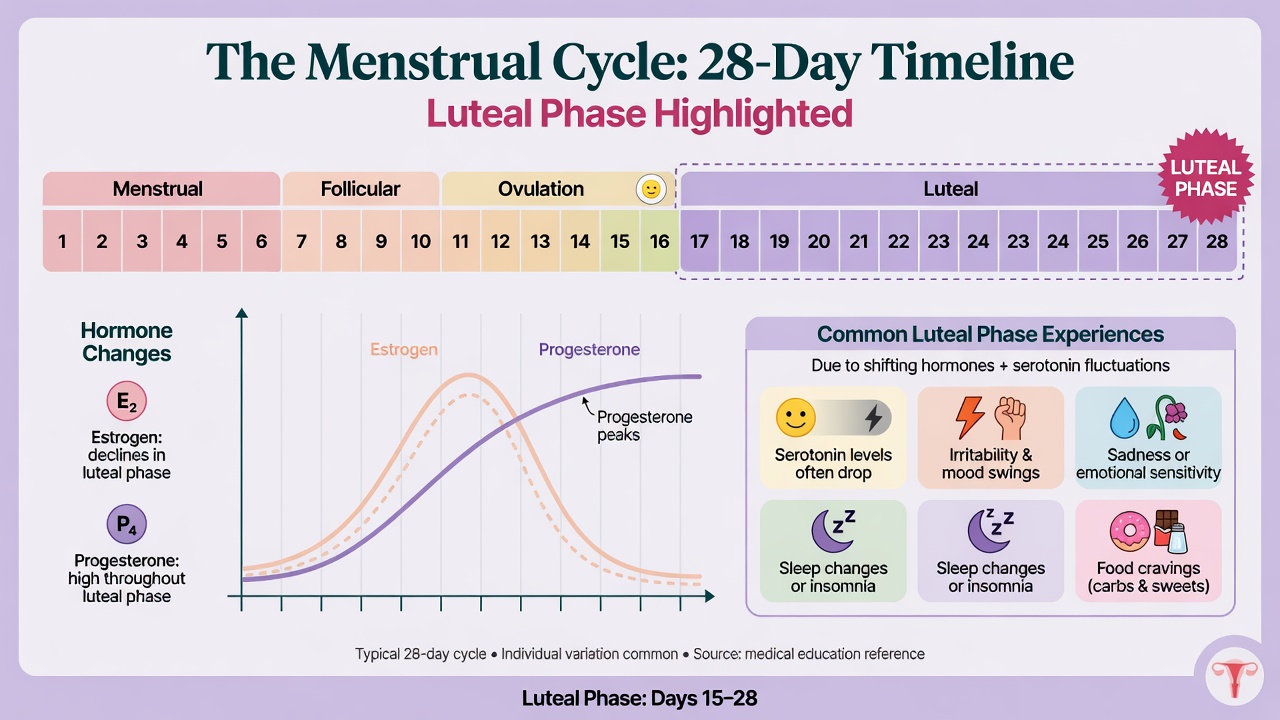
Hormonal shifts before a period may influence serotonin and mood-related PMS symptoms.
The Stereotype Versus the Science
Despite the science, PMS is still used as a punchline.
“She must be PMS-ing.”
“Someone’s hormonal.”
“Don’t listen to her this week.”
“Women are too emotional.”
These comments may sound casual, but they do real damage. They turn a biological process into a reason to question someone’s judgment, leadership, professionalism, or credibility.
That is not science. That is bias.
The stereotype says PMS makes women irrational. The science says some people experience real cyclical symptoms that can affect mood, sleep, appetite, energy, and stress tolerance. The difference matters.
When society mocks PMS mood swings, it teaches people to doubt themselves. A woman may start asking, “Am I actually upset, or am I just hormonal?” But the better question is, “What is my body telling me, and what support do I need?”
Hormones can influence emotional intensity. They do not erase valid concerns, boundaries, or needs.
When PMS May Actually Be PMDD
It is important to distinguish common PMS mood changes from PMDD.
PMS can be uncomfortable and disruptive. PMDD is more severe. It can cause intense depression, anxiety, anger, hopelessness, panic, or emotional overwhelm in the luteal phase, usually the one to two weeks before a period. Symptoms typically improve after menstruation begins.
The Office on Women’s Health explains that PMDD is a severe form of PMS and can cause symptoms such as lasting irritability or anger, sadness, despair, anxiety, panic, mood swings, and loss of interest in usual activities. It also advises seeking help if symptoms interfere with daily life.
If premenstrual symptoms make you feel unsafe, unable to function, or unlike yourself in a frightening way, that is not something to minimize. PMDD is real, and support is available through healthcare providers, including gynecologists, primary care clinicians, and mental health professionals.
How to Support Yourself During PMS Mood Swings
Managing PMS mood swings is not about forcing yourself to be cheerful. It is about understanding your pattern and reducing unnecessary strain during a more sensitive phase of your cycle.
Tracking your cycle can help. Note when emotional symptoms appear, how long they last, and whether they improve once your period starts. This can help you recognize patterns and speak more clearly with a healthcare provider if symptoms become difficult.
Sleep also matters. PMS can affect rest, and poor sleep can intensify irritability, anxiety, and emotional reactivity. A consistent bedtime, reduced caffeine later in the day, and a calmer evening routine may help.
Food and hydration can support mood stability too. Balanced meals with protein, fiber, and complex carbohydrates may help reduce energy crashes. Limiting excessive alcohol or caffeine may also be helpful for some people, especially if anxiety, sleep disruption, or breast tenderness worsens before a period.
Movement can be supportive when it feels accessible. Gentle walking, stretching, yoga, or light exercise may help regulate stress and improve overall well-being. The goal is not punishment or productivity. The goal is nervous system support.
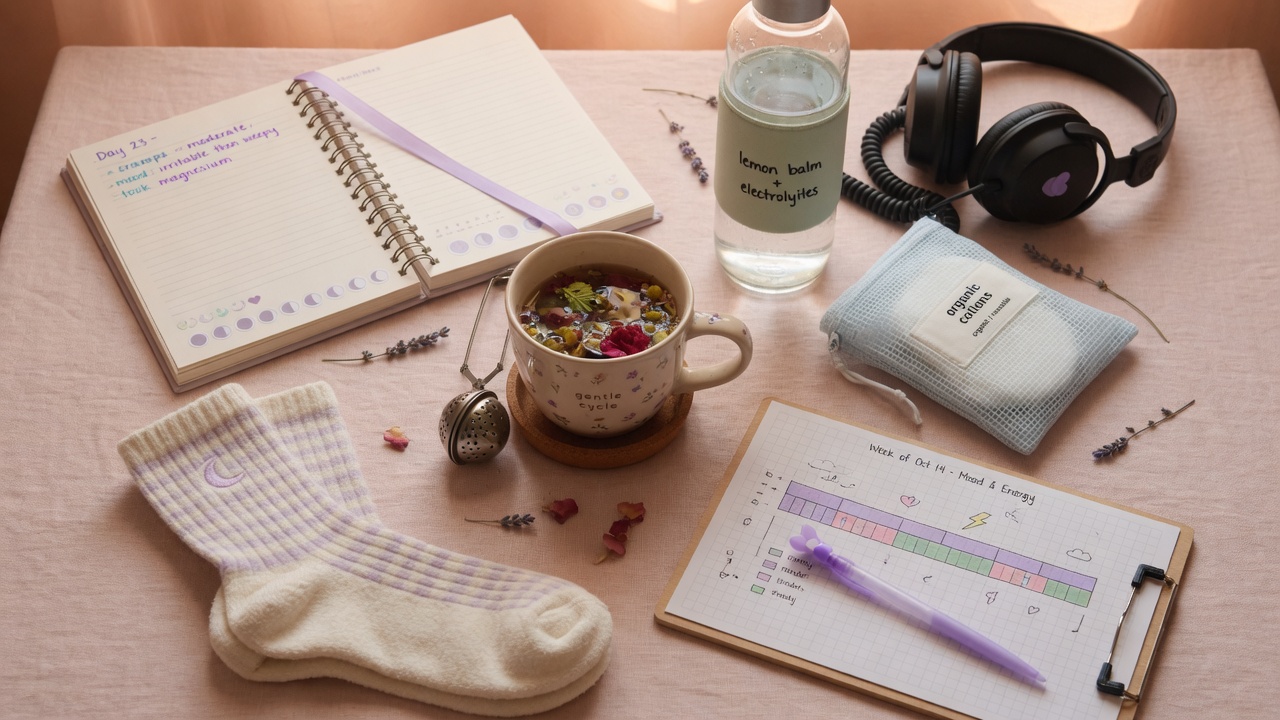
Tracking symptoms and preparing comfort tools can make premenstrual mood shifts easier to navigate.
Comfort Is Part of Menstrual Support
Menstrual products do not treat PMS mood swings, but comfort still matters. When your body already feels emotionally sensitive, bloated, tired, or overstimulated, irritating or uncomfortable period products can add unnecessary stress.
For those who prefer pads and liners, breathable materials and a gentle feel can be part of a more supportive period routine. MaximHY’s organic and natural cotton pads and liners are designed for people who want period products made with organic and natural cotton, without chlorine bleaching, dyes, synthetics, or fragrances listed on the product page.
This is not a cure for PMS. Instead, it is one practical way to reduce discomfort during a time when your body may already feel more sensitive. A thoughtful PMS support plan may include cycle tracking, rest, hydration, gentle movement, emotional boundaries, medical support when needed, and period products that feel comfortable against the skin.
How Workplaces and Relationships Can Do Better
PMS mood swings should not be used to shame people. They should also not be ignored.
In workplaces, support might look like flexibility, respect, and a culture where people do not have to pretend their bodies do not exist. This does not mean lowering expectations. It means recognizing that humans are not machines.
In relationships, support might sound like:
“I am feeling more emotionally sensitive this week. I need patience, not jokes.”
“My feelings are real, but I may need time before I respond.”
“I need comfort, space, or practical help today.”
Partners, friends, coworkers, and managers do not need to fully understand the biology to respond with respect. The shift is simple: stop using PMS as an insult and start treating it as health information.
Changing the Conversation From Mockery to Respect
The real story behind PMS mood swings is not that women are irrational. It is that the menstrual cycle is powerful, complex, and still widely misunderstood.
We need better education that names emotional symptoms without shame. We need healthcare conversations that take cyclical mood changes seriously. We need workplaces that respect biological realities without weaponizing them. And we need relationships where “I am PMS-ing” is not a joke, but an invitation to communicate with more care.
PMS mood swings may be common, but dismissal should not be.
Your emotions are not automatically invalid because they appear before your period. Your body may be more sensitive, but your needs still matter. Your hormones may influence the volume, but they do not erase the message.
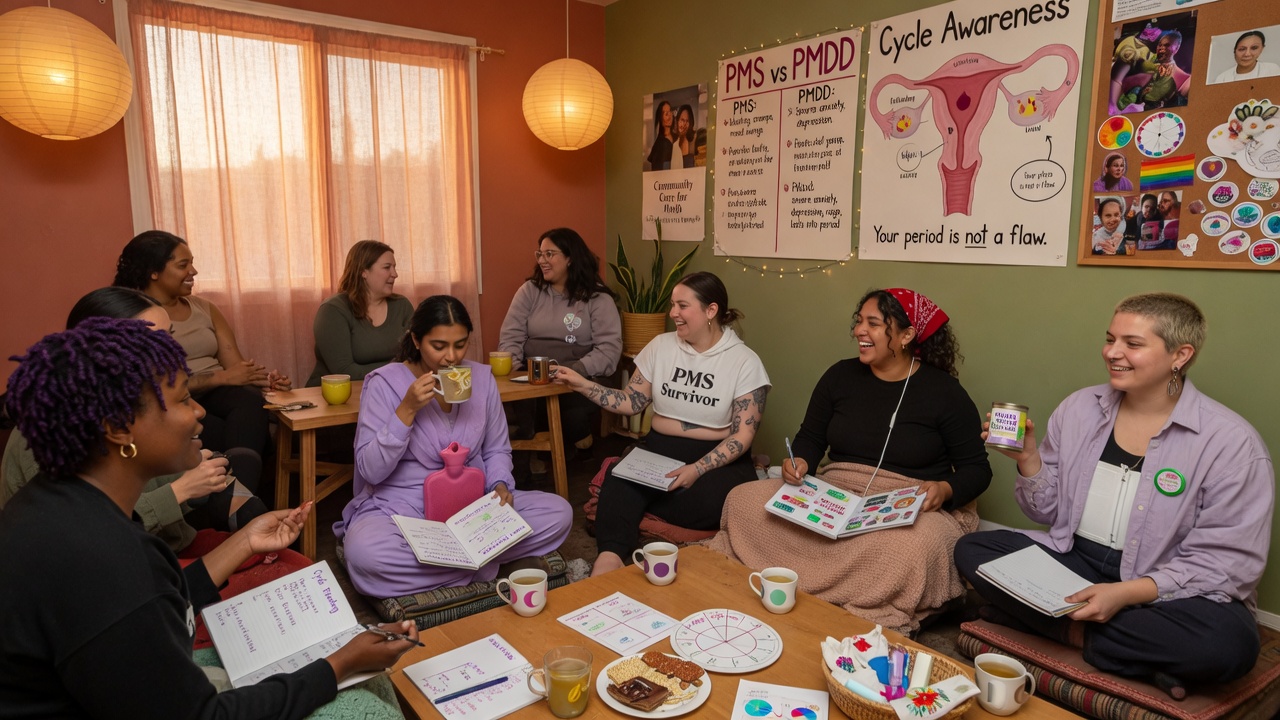
Open conversations help replace PMS stigma with education, empathy, and support.
If premenstrual emotions are mild, self-care and cycle awareness may help. If they feel severe, frightening, or disruptive, professional support is worth seeking. Either way, the answer is not mockery.
It is understanding.
Disclaimer: This article is for informational purposes only and is not a substitute for professional medical advice. Severe mood symptoms, including symptoms of PMDD, depression, anxiety, or thoughts of self-harm, should be discussed with a qualified healthcare provider as soon as possible.