Period care is not one-size-fits-all. The best option for one person may feel uncomfortable, inconvenient, or impractical for another. Flow level, daily schedule, skin sensitivity, overnight needs, sustainability goals, and comfort with insertion all influence whether menstrual cups, pads, tampons, period underwear, or a combination of products makes the most sense.
For many people, the decision comes down to three major product types: menstrual cups, pads, and tampons. Each has advantages. Pads are familiar and easy to use. Tampons offer internal protection and more freedom of movement. Menstrual cups, such as the MaxiCup Dischargeable Menstrual Cup with Sterilizer – Medium Pink, offer reusable protection with a cleaning system that supports a more sustainable routine.
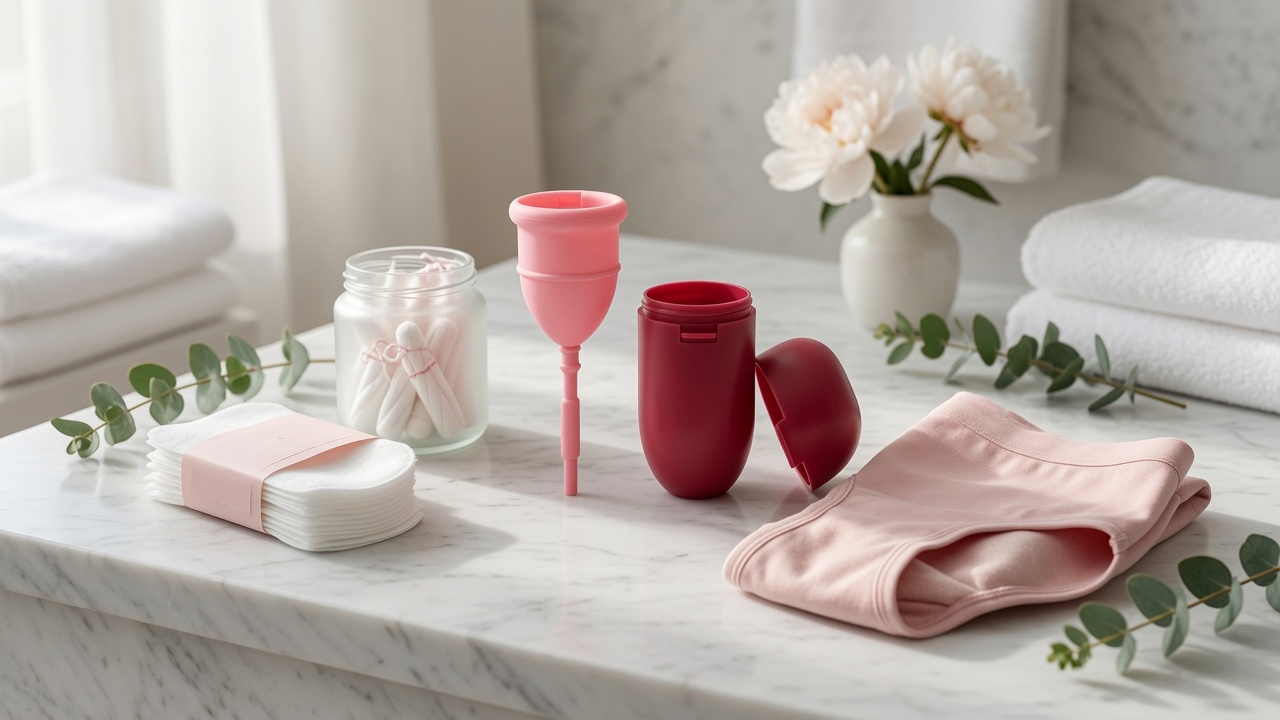
Comparing period care products helps consumers choose the best option for their body, schedule, and comfort needs.
Menstrual Cups: Reusable Protection for Longer Wear
A menstrual cup is a flexible, reusable cup inserted into the vagina to collect menstrual fluid rather than absorb it. Many cups are made from medical-grade silicone or similar body-safe materials. When inserted correctly, the cup forms a seal and can often be worn for several hours before emptying, depending on flow and product instructions.
Menstrual cups appeal to people who want fewer product changes, less bathroom waste, and a reusable period care option. Cleveland Clinic notes that users should wash their hands before inserting a menstrual cup and follow proper folding and insertion steps for safer use.
The learning curve is real. Some users need several cycles to feel confident with insertion, removal, seal checking, and cleaning. That said, a cup can be especially practical for long workdays, school, travel, sleep, and active routines.
For people who want a reusable option with a hygiene-supporting accessory, the MaxiCup menstrual cup with sterilizer provides a product example where cup use and cleaning convenience are considered together.
Pads: Familiar, External, and Easy to Use
Pads remain one of the most accessible period care products because they do not require insertion. They attach to underwear and absorb menstrual flow externally. This makes them a common choice for first periods, light-flow days, postpartum needs, overnight protection, or anyone who prefers external products.
Pads can also be useful as backup protection with tampons or menstrual cups. For example, someone learning to use a cup may pair it with a liner or pad until they feel confident about placement and leakage control. Maxim Hygiene’s broader selection of organic cotton period care products can fit this kind of flexible routine, especially for people who prefer fragrance-free, cotton-based options.
The main tradeoff is that pads may feel bulky to some users, especially during exercise or hot weather. Skin contact, moisture, adhesive placement, and materials can also affect comfort.
Tampons: Internal Absorbency with Movement Flexibility
Tampons are inserted into the vagina to absorb menstrual fluid. They are often chosen for swimming, sports, fitted clothing, and users who want less external bulk. Tampons come in absorbency levels, and proper selection matters: using the lowest absorbency needed and changing tampons as directed helps reduce hygiene concerns.
The FDA continues to evaluate menstrual product safety and notes that available evidence supports tampons as a safe option, while also recognizing limitations in current evidence on contaminants and absorption. Tampons are also associated with toxic shock syndrome warnings, making label instructions and timely changing important.
For users with sensitivity concerns, fragrance-free and cotton-based options may be preferable. Maxim Hygiene’s positioning around organic and natural cotton products, without dyes or synthetic additives in tampons, pads, and liners, supports consumers who are trying to simplify ingredient exposure.
Menstrual Cups vs. Pads and Tampons: Practical Comparison
| Factor | Menstrual Cup | Pads | Tampons |
|---|---|---|---|
| Product type | Internal collection | External absorption | Internal absorption |
| Reusability | Reusable | Usually disposable; reusable options exist | Disposable |
| Learning curve | Moderate | Low | Low to moderate |
| Best for | Long days, travel, sustainability, active schedules | Beginners, overnight use, backup protection, external comfort | Sports, swimming, fitted clothing, internal protection |
| Comfort considerations | Requires proper fit and seal | May feel bulky or warm | Must choose correct absorbency |
| Hygiene needs | Empty, rinse/wash, sterilize as directed | Change regularly | Change regularly and follow TSS safety guidance |
| Backup product useful? | Yes, especially while learning | Not usually | Sometimes, especially on heavy-flow days |
| Sustainability profile | Strong reusable option | Varies by product type | Disposable waste generated |
Safety and Hygiene: The Most Important Part of Any Period Product
No product is automatically “best” without proper use. Period care safety depends on clean hands, correct placement, regular changing or emptying, and following manufacturer instructions.
For menstrual cups, cleaning is central. A cup should be emptied and washed as directed during the cycle, then sterilized according to product guidance before storage. A built-in or paired sterilizer, such as the one included with the MaxiCup product, can help simplify this step for users who want a more organized reusable care routine.
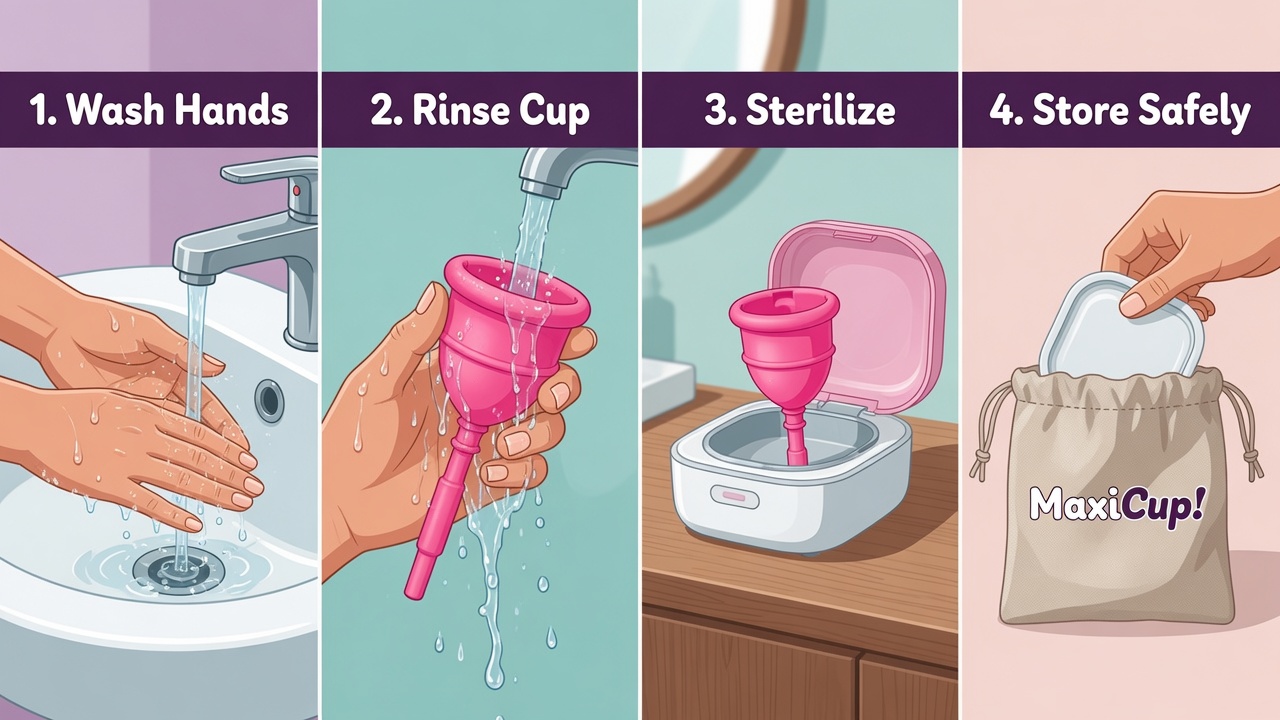
Proper cleaning and storage are essential parts of reusable menstrual cup care.
Research on menstrual cup safety continues to evolve. A 2022 safety assessment published through the National Library of Medicine discussed toxic shock syndrome considerations and found that in vitro testing for one marketed cup showed no effect on S. aureus growth and TSST-1 toxin production, while also emphasizing the need for product-specific safety assessment.
When a Combination Routine Works Best
Many people do not rely on only one product. A combined approach can be more realistic.
Someone may use a menstrual cup during the day, period underwear for backup protection, and pads overnight. Another person may prefer tampons for swimming but pads for sleep. A beginner may use a cup with a liner for the first few cycles until they understand placement and flow patterns.
This is where period care becomes less about product loyalty and more about body literacy. The right routine should support comfort, confidence, and hygiene across different parts of daily life.
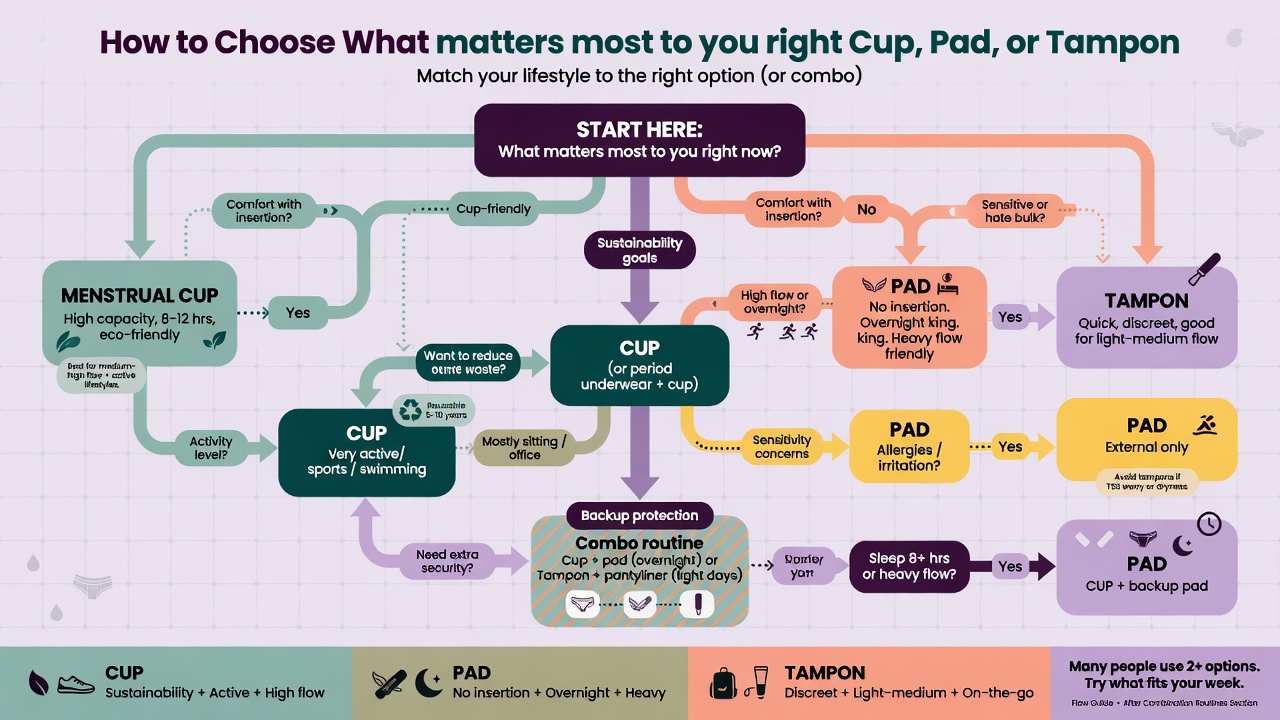
Sustainability and Waste: Where Menstrual Cups Stand Out
Disposable pads and tampons create ongoing packaging and product waste. Menstrual cups reduce the number of disposable items used per cycle because one cup can be reused when properly maintained. This makes cups a strong option for people who want to reduce their environmental footprint without giving up reliable period protection.
However, sustainability also includes realistic use. A reusable product only works well when it fits the person’s comfort level, anatomy, cleaning access, and lifestyle. For some, a fully reusable routine is ideal. For others, a hybrid routine using a cup, organic cotton pads, and period underwear may be more practical.
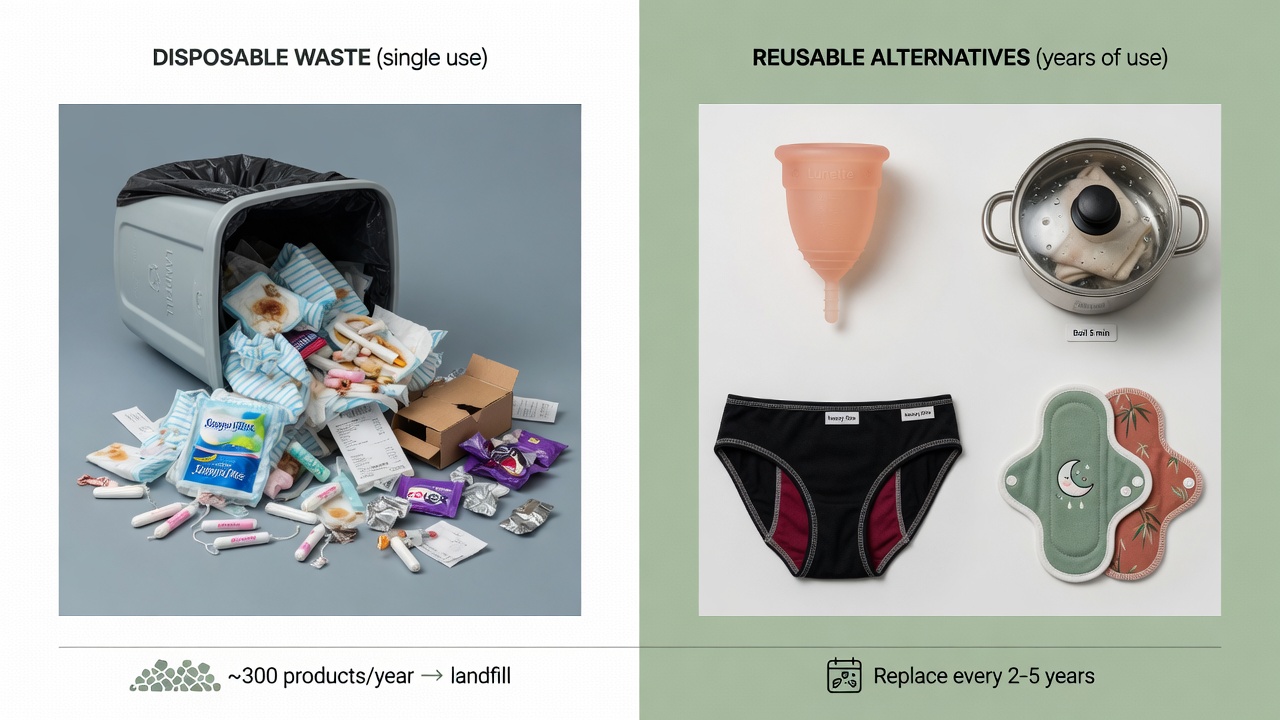
Reusable and hybrid routines can help reduce period product waste while supporting comfort and convenience.
Final Takeaway: The Best Period Product Is the One That Fits Your Life
Menstrual cups, pads, and tampons each serve a valid purpose. Pads offer simplicity and external comfort. Tampons provide internal absorbency and movement flexibility. Menstrual cups offer reusable, longer-wear protection with strong sustainability benefits when cleaned and used properly.
For shoppers comparing options, the goal should be practical fit rather than perfection. Consider your flow, comfort with insertion, sensitivity needs, activity level, bathroom access, overnight habits, and environmental priorities. Products like the MaxiCup with sterilizer can be a helpful choice for reusable care, while Maxim Hygiene’s related pads, liners, tampons, and period underwear can support a flexible routine built around real-life needs.