Have you ever sat at your desk feeling capable, motivated, and experienced, yet suddenly unable to focus? You reread the same email three times. A simple task feels harder than it should. Your thoughts feel slower, your patience feels thinner, and your usual mental sharpness seems just out of reach. Then you check the calendar, and it makes sense: your period is approaching.
Many women describe this experience as period brain fog. While the phrase is informal, the experience behind it is real. It can include forgetfulness, difficulty concentrating, mental fatigue, slower processing, mood changes, and a general sense of cognitive heaviness around menstruation or the premenstrual phase.
Importantly, acknowledging menstrual brain fog does not mean claiming women are less competent during their cycles. The scientific picture is more nuanced. Research on menstrual cycle phases and measurable cognitive performance is mixed, and a 2025 meta-analysis found no strong evidence that women’s cognitive abilities universally decline across the cycle. But that does not erase the lived reality of fatigue, pain, poor sleep, cramps, headaches, mood shifts, and reduced concentration that many women report. Symptoms can be real and disruptive even when they do not appear the same way in every lab test.
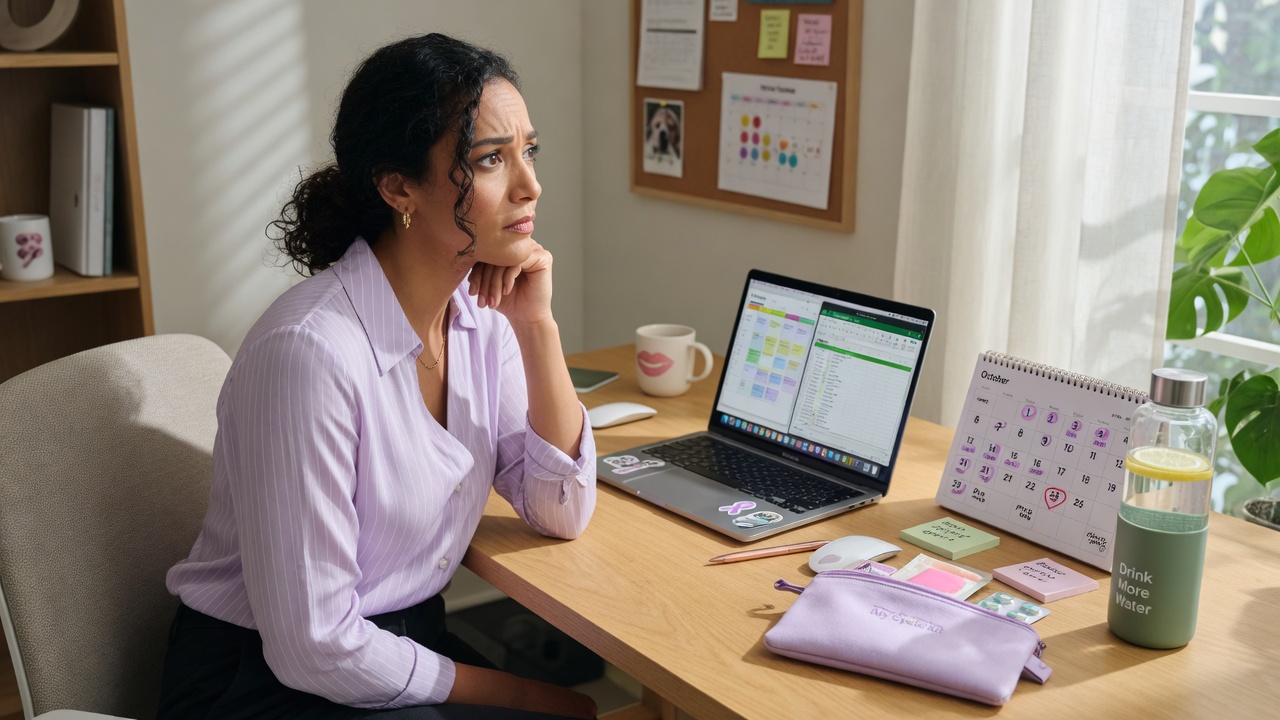
Period brain fog can affect focus, energy, and confidence during the workday.
What Is Period Brain Fog?
Period brain fog refers to a temporary feeling of mental cloudiness that may occur before or during menstruation. It may show up as trouble concentrating, forgetfulness, low motivation, irritability, mental fatigue, or difficulty organizing thoughts.
Hormonal fluctuations are one possible contributor. Estrogen and progesterone interact with brain systems involved in mood, sleep, attention, and memory. A review published through the National Institutes of Health notes that sex hormones can influence brain function and cognitive processes, although individual responses vary widely. For some women, these changes are subtle. For others, they arrive alongside PMS, PMDD, cramps, heavy bleeding, disrupted sleep, migraines, or digestive discomfort. Together, these symptoms can make clear thinking feel harder.
This is why period brain fog should not be dismissed as laziness, weakness, or an excuse. It is often part of a broader menstrual symptom pattern. A person who is dealing with pain, fatigue, and poor sleep is not imagining the difficulty of staying mentally sharp.
Why Menstrual Symptoms Affect Productivity
The workplace often treats productivity as if every employee’s body functions the same way every day. Menstrual health challenges that assumption.
A large study published in BMJ Open found that menstruation-related symptoms can cause productivity loss, with presenteeism—being at work but functioning below full capacity—contributing more than absenteeism. In other words, many women do not necessarily miss work. They show up, keep going, and quietly push through symptoms that affect concentration and performance.
A separate study on menstrual cycle symptoms and workplace productivity also found that mood and physical symptoms can affect women’s work, often creating pressure to manage symptoms privately rather than openly.
This matters because silence can become its own burden. When women feel they cannot mention menstrual symptoms without being judged, they may overcompensate, avoid asking for support, or internalize the idea that their natural biology is a professional flaw.
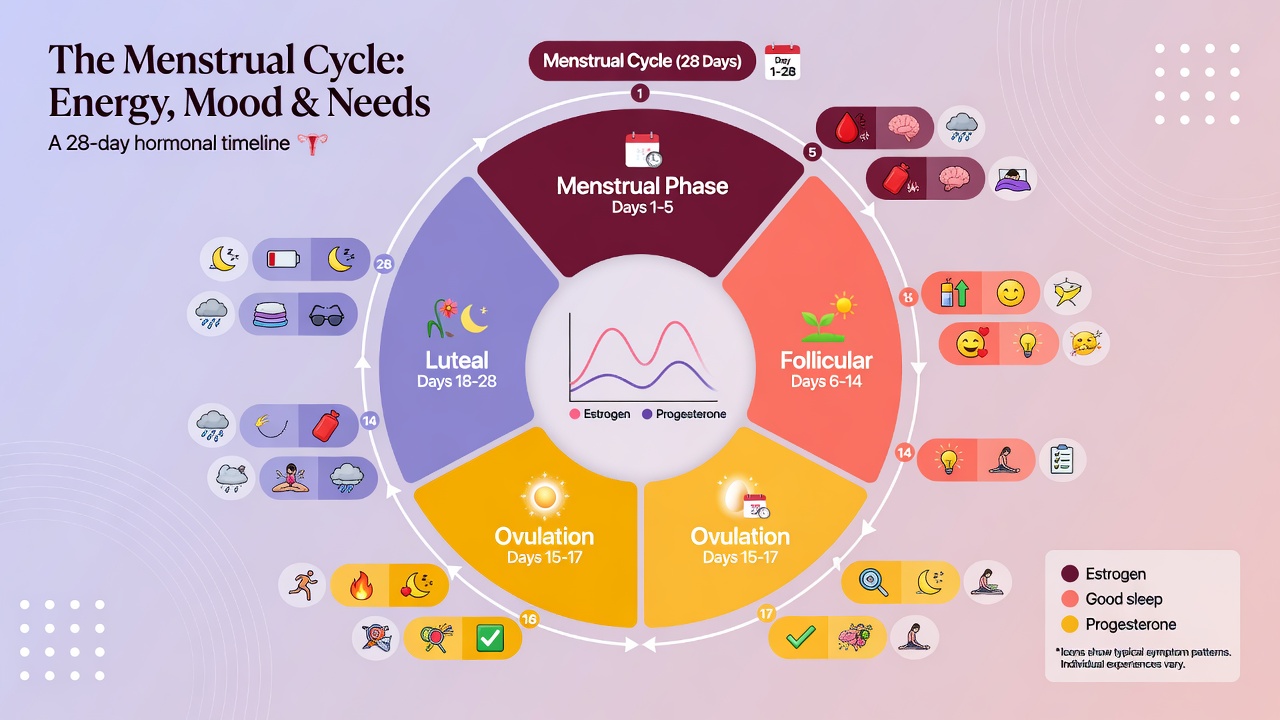
Tracking patterns can help women understand when focus, energy, and symptoms tend to fluctuate.
Taking Symptoms Seriously Without Reinforcing Stereotypes
One reason conversations about period brain fog become difficult is that women have historically been judged unfairly through biological stereotypes. Menstrual symptoms have too often been used to question women’s emotional stability, leadership ability, or reliability.
That is exactly why the conversation must be careful and evidence-based.
The goal is not to say that menstruation makes women less capable. It does not. The goal is to recognize that some women experience recurring symptoms that affect comfort, concentration, and stamina—and that responsible workplaces should be mature enough to discuss health without stigma.
Support does not mean lowering standards. It means making sustainable performance easier. Flexible scheduling, remote-work options when possible, access to restrooms, realistic workload planning, and a culture that does not mock menstrual symptoms can help employees do their best work consistently.
Practical Ways to Manage Period Brain Fog
Women should not have to “prove” their symptoms to deserve understanding. At the same time, practical planning can help reduce the stress that often comes with menstrual brain fog.
Cycle tracking is a useful first step. Not every woman experiences the same pattern, but noticing when focus dips, sleep worsens, cramps intensify, or mood changes appear can make it easier to plan demanding tasks. For example, someone who notices brain fog in the late luteal phase might schedule deep-focus work earlier in the month when possible and reserve lower-intensity administrative tasks for more symptomatic days.
Sleep, hydration, nutrition, movement, and pain management can also play a role. Severe or worsening symptoms should be discussed with a qualified healthcare professional, especially if brain fog is accompanied by heavy bleeding, debilitating pain, fainting, depression, anxiety, or symptoms that interfere with daily life.
Comfortable period care can also reduce distraction. When someone is worried about leaks, irritation, or changing products frequently, staying focused becomes harder. Choosing breathable, body-conscious period products may support comfort during long workdays, school days, travel, or sleep. Maxim Hygiene offers organic cotton period care products including pads, liners, tampons, and reusable options designed for people who prefer cotton-based menstrual care. For heavier or longer days, organic cotton pads and liners may be a practical part of a symptom-management routine.
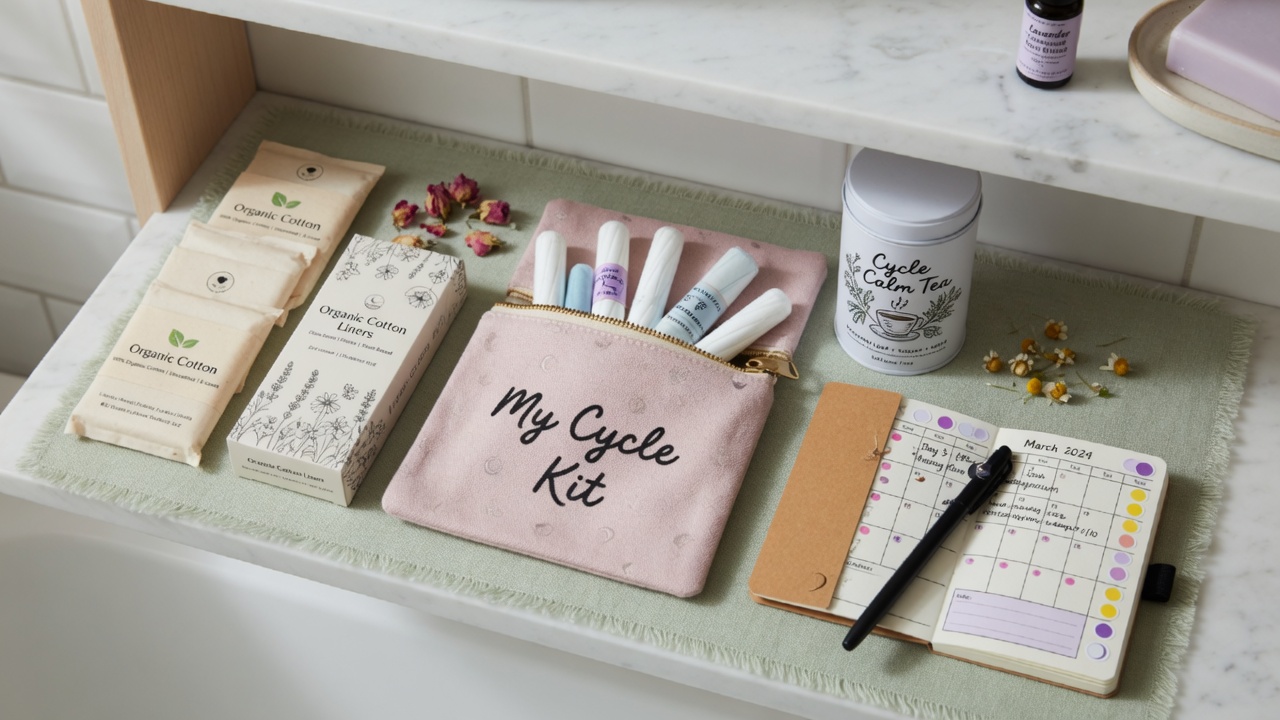
A prepared period care routine can reduce stress and help support comfort during symptomatic days.
Why Open Conversations Matter
Open conversations about menstrual health benefit more than individual women. They help families, schools, healthcare providers, and workplaces understand that menstrual symptoms are not fringe concerns. They are part of everyday life for a large portion of the population.
Better conversations also encourage better research. Menstrual health has historically received less attention than it deserves, and gaps remain in how symptoms such as fatigue, pain, mood changes, and perceived brain fog are studied. When women speak honestly about their experiences, it becomes harder for institutions to ignore them.
At work, even small changes can matter. Managers do not need to become medical experts. They need to build environments where employees can communicate needs without humiliation. A workplace that can discuss migraines, pregnancy, menopause, chronic pain, and mental health should also be able to discuss menstrual health professionally.
For individuals, preparation can bring confidence. Keeping a small supply of preferred period products in a desk, bag, or locker can reduce anxiety during busy days. Products such as organic cotton tampon and pad combinations can be useful for people who want different options depending on flow, schedule, or comfort needs. For those interested in washable choices, organic cotton reusable pads may also support a more personalized period routine.
Redefining Strength and Capability
Period brain fog does not define a woman’s intelligence, discipline, ambition, or leadership potential. It does not make her unreliable. It does not make her less capable.
What it does show is that the body and brain are connected. Pain can affect focus. Fatigue can affect memory. Hormonal shifts can influence mood and energy. Stress from hiding symptoms can make everything harder.
Taking menstrual symptoms seriously is not special treatment. It is basic respect.
When women are encouraged to understand their cycles, plan around patterns, choose period care that supports comfort, and speak without shame, they are better equipped to thrive. When workplaces acknowledge menstrual health as part of overall wellness, they become more humane, more realistic, and often more productive.
Period brain fog deserves a serious conversation—not because women are fragile, but because women deserve to be believed.
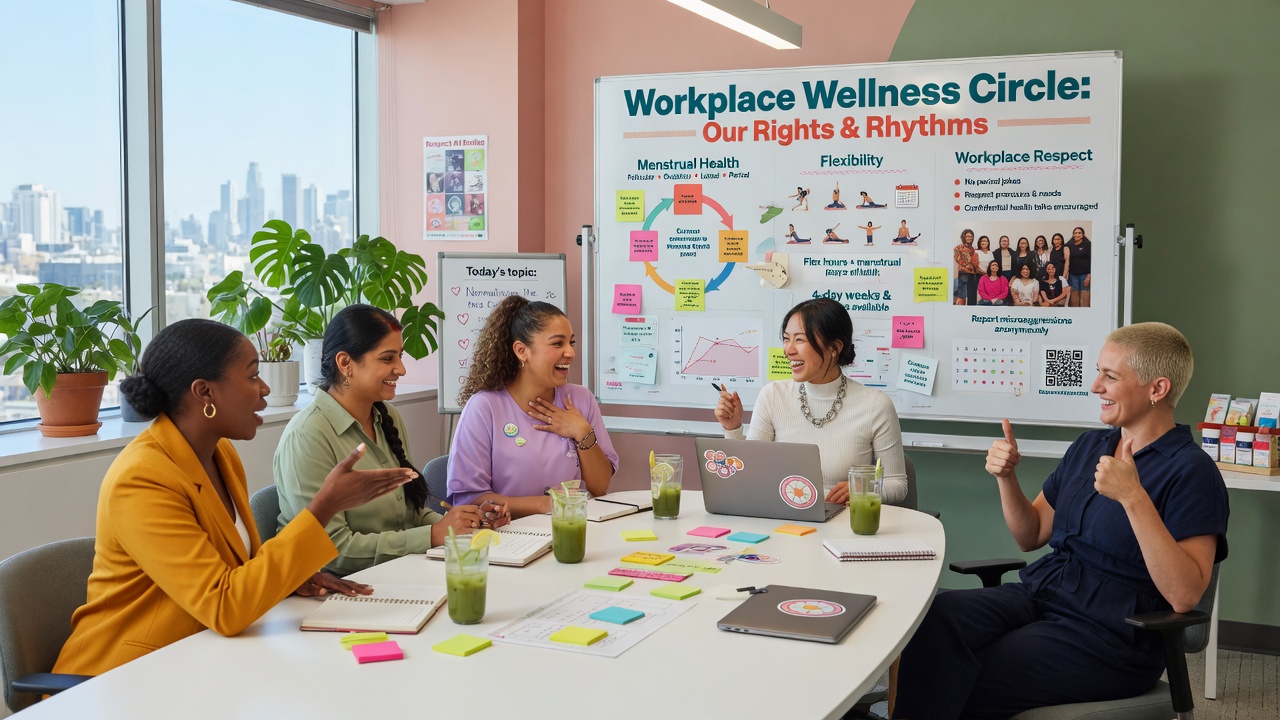
Menstrual health conversations can create more respectful and sustainable workplaces.