If you have ever stared at the ceiling at 2:00 a.m. during your period—tired, uncomfortable, and somehow still wide awake—you are not alone. For many women, menstruation affects far more than mood, cramps, or daily energy. It can disrupt sleep, too.
Yet period sleep struggles rarely get the attention they deserve. They are often dismissed as “just a few bad nights,” even when they happen predictably every month and affect work, focus, emotional regulation, and overall quality of life.
The reality is simple: sleep changes before or during menstruation are common. Research reviews have found that poorer sleep quality is often reported in the premenstrual and menstrual phases, especially among people with PMS or PMDD. The American College of Obstetricians and Gynecologists also lists sleep problems among possible PMS symptoms.
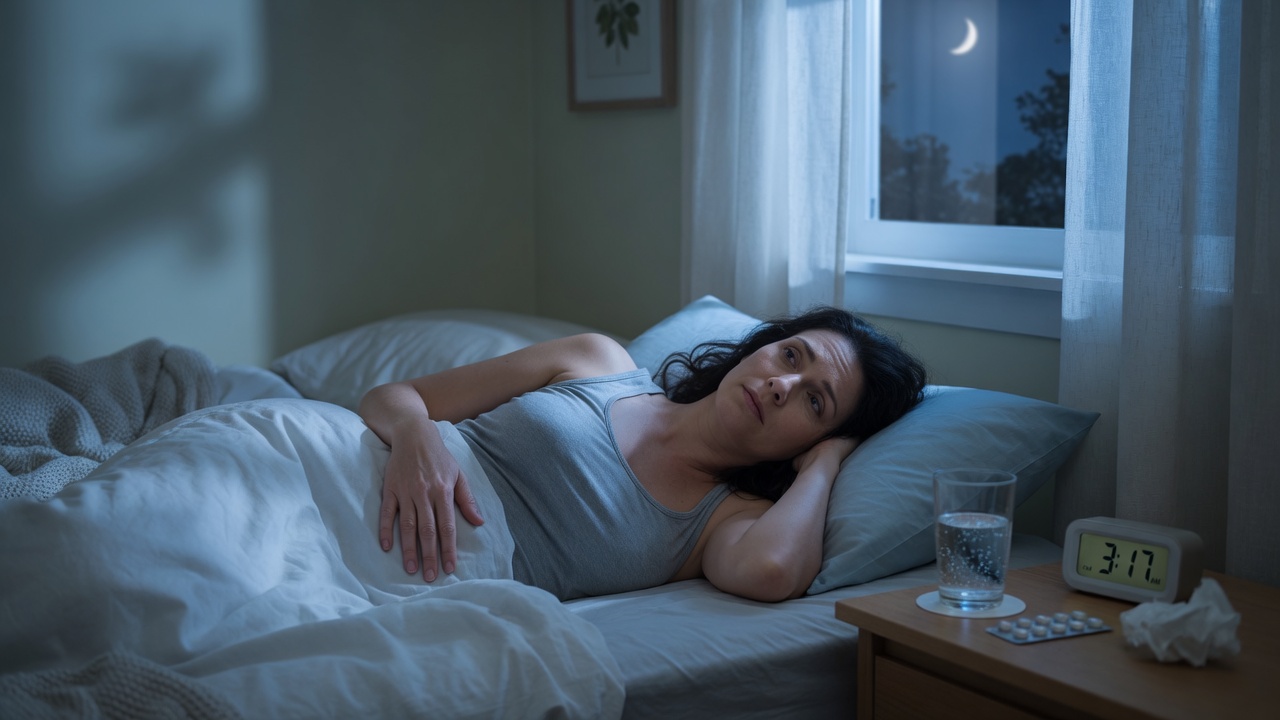
Period-related sleep struggles can affect rest, mood, focus, and daily energy.
What Period Sleep Problems Actually Look Like
“Period sleep struggles” does not describe one single experience. For some women, it looks like menstrual insomnia: trouble falling asleep, waking up repeatedly, or feeling as if the mind refuses to power down. Cramps may be part of the problem, but so can anxiety, irritability, headaches, breast tenderness, bloating, or racing thoughts.
For others, the problem goes in the opposite direction. Instead of insomnia, they experience overwhelming fatigue, longer naps, daytime fogginess, or a heavy need for more rest than usual.
And sometimes, frustratingly, both happen in the same cycle: poor sleep at night, exhaustion during the day.
This matters because sleep disruption is not just an inconvenience. Poor sleep can increase sensitivity to discomfort, worsen emotional reactivity, and make common PMS symptoms feel harder to manage. In other words, a bad night can make the next day’s cramps, mood swings, and fatigue feel even more intense.
The Hormone Connection: Why Your Cycle Can Affect Sleep
Hormones play an important role in sleep quality. During the menstrual cycle, estrogen and progesterone rise and fall in patterns that can influence body temperature, mood, stress response, and sleep regulation.
Progesterone may have a calming or sedating effect for some people. But as progesterone and estrogen shift—especially in the late luteal phase before menstruation—some women notice lighter, more fragmented sleep. The Sleep Foundation notes that insomnia before a period may be connected to hormonal changes and may be more common among people with PMS or PMDD.
Then come the physical realities of menstruation: cramps, pelvic heaviness, bloating, digestive changes, headaches, back pain, and temperature fluctuations. Even mild discomfort can become more noticeable at night, when distractions are gone and the body is trying to settle.
That is why “just relax” is not very useful advice. If the body is uncomfortable, the nervous system is activated, and hormones are shifting, sleep may require more support than usual.

Hormonal fluctuations across the menstrual cycle can influence sleep, comfort, and emotional balance.
Why Menstrual Sleep Disruption Deserves More Attention
Here is the uncomfortable question: if a large portion of the population experienced predictable, recurring sleep disruption every month, would we treat it as a serious health issue?
Many women already know the answer. Period-related symptoms are often normalized to the point of being ignored. A person may be expected to perform at the same level at work, school, home, and in relationships, even when cramps, fatigue, and poor sleep are draining their capacity.
Recognizing menstrual insomnia and PMS sleep disruption as legitimate does not mean pathologizing every period. It means taking women’s lived experiences seriously.
The Mayo Clinic lists insomnia, fatigue, poor concentration, anxiety, mood swings, appetite changes, and physical discomfort among possible PMS symptoms. When these symptoms cluster together, sleep problems may become both a symptom and an amplifier.
That is why menstrual sleep deserves a place in broader conversations about women’s health, productivity, mental health, and pelvic wellness.
Practical Ways to Sleep Better During Your Period
You cannot fully control hormonal shifts, but you can reduce the number of obstacles standing between your body and rest.
Start by lowering the pain load before bedtime. If cramps usually wake you up, do not wait until pain is intense to respond. Heat therapy, gentle stretching, a warm shower, or clinician-approved pain relief may help your body settle earlier.
Support your nervous system with a predictable wind-down routine. This does not need to be complicated. Dim lights, reduce scrolling, try slow breathing, listen to calming audio, or journal the thoughts that keep looping in your head.
Be careful with caffeine. When PMS fatigue hits, it is tempting to rely on extra coffee or energy drinks. But caffeine later in the day can make period insomnia worse, especially if your sleep is already fragile.
Move gently when possible. Light walking, stretching, yoga, or mobility work may ease tension and improve circulation without overstimulating the body.
Finally, do not ignore pelvic tension. Cramps, stress, and guarding against pain can all make the pelvic area feel tight or uncomfortable. Gentle pelvic relaxation and pelvic floor awareness may be helpful, especially for women who also experience bladder leaks, urinary urgency, postpartum symptoms, or pelvic floor fatigue.
For readers exploring supportive women’s wellness tools, Maxim’s pelvic wellness and self-care resources can be naturally positioned as part of a larger education-first approach to cycle comfort and body awareness.
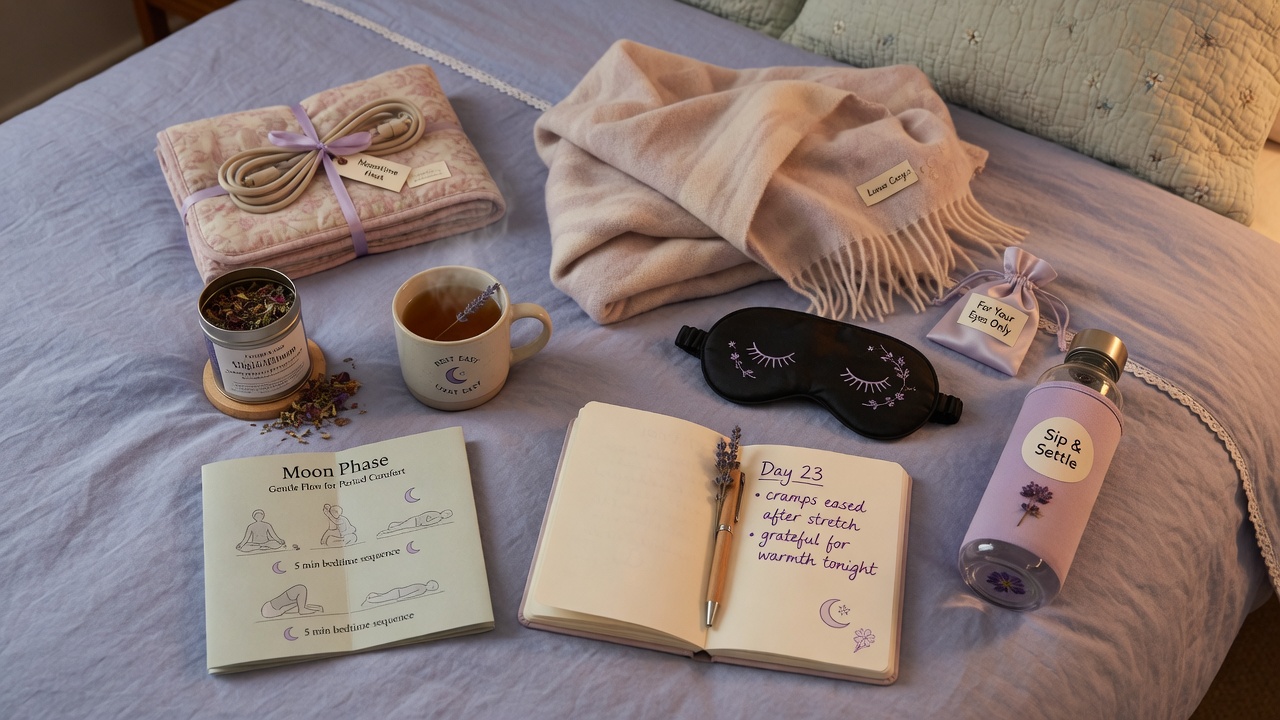
A supportive bedtime routine can help reduce discomfort and prepare the body for deeper rest.
The Bigger Picture: Sleep, Mental Health, and Pelvic Wellness
Period sleep struggles are not only about feeling tired. Better sleep can support emotional stability, stress tolerance, concentration, and pain coping. When sleep improves, the entire menstrual experience may feel more manageable.
There is also a pelvic wellness connection. When the pelvic floor is tense, fatigued, or under strain, the body may stay in a guarded state. That can make it harder to fully relax at bedtime. This is especially relevant for women navigating postpartum recovery, urinary leakage, pelvic heaviness, or chronic tension.
Pelvic floor education is not just about exercise. It is also about awareness: knowing when to strengthen, when to relax, and when symptoms deserve professional support. If period discomfort, pelvic pain, or sleep disruption is severe, recurring, or interfering with daily life, it is worth speaking with a qualified healthcare professional.
Let’s Talk About Period Sleep Struggles
Period sleep struggles are real. They are common. And they deserve more than silence.
Menstrual insomnia, PMS fatigue, nighttime cramps, and cycle-related restlessness should not be brushed off as weakness or drama. They are part of a larger women’s health conversation that includes hormones, pain, mental health, pelvic wellness, and quality of life.
The goal is not to make every bad night a medical crisis. The goal is to stop dismissing predictable suffering as something women should simply tolerate.
If we treated menstrual sleep disruption seriously, we could help more women feel rested, understood, and better supported—in their bodies, their work, and their daily lives.
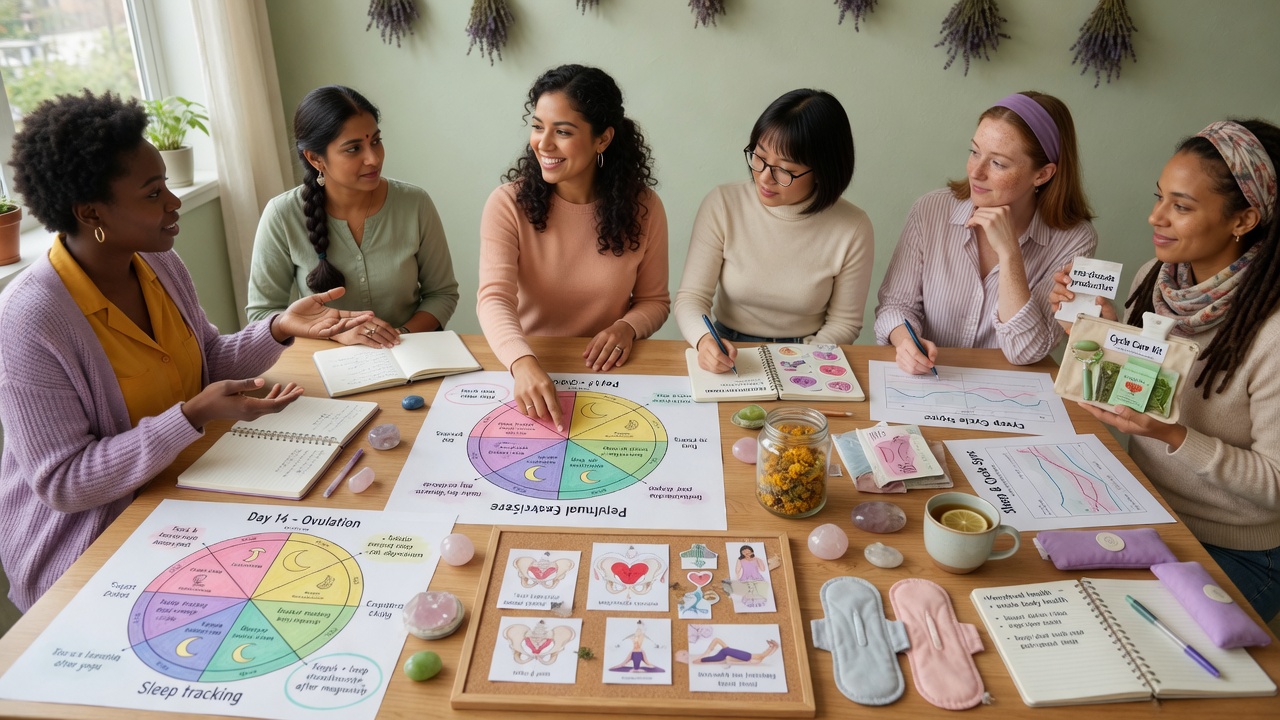
Open conversations about menstrual sleep can help replace dismissal with education and practical support.