
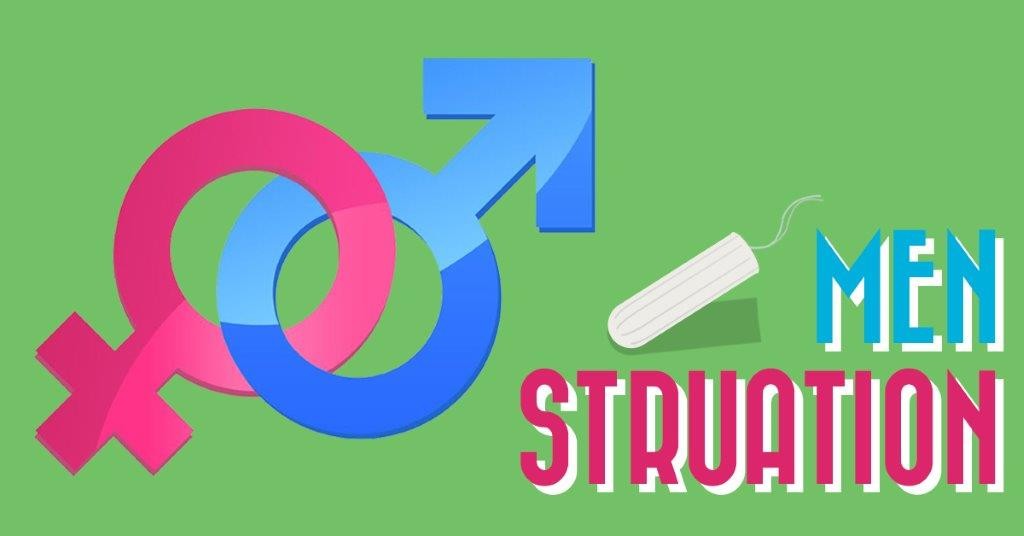
Although the word men is in the word menstruation, men and other transgender individuals with gender-fluid identities have largely been excluded from the topics surrounding periods. It’s understandable as the common misconception is that only women deal with menses, and while biologically that may be accurate, the issue may just be with our language.
The word ‘women’ in the overarching conversation about periods and reproductive health actually propagates a dialogue that is exclusive of individuals who are trans or currently dealing with issues of identity, gender, and body-disassociation.
Amy Leverington, a 27-year-old agender person, explains the feeling of body-disassociation: “There’s this overwhelming sense of [my period] not being right, that it’s not part of my body — that it’s not coming from my body, and it’s something that shouldn’t be happening to me.”
Stars like Laverne Cox have brought issues like healthcare challenges and social taboos that trans individuals face daily to TIME‘s front pages, but even as cisgender women have started speaking up about the facts of their bodies, transgender and gender-nonconforming people have been boxed out of the conversation.
This is particularly because “in popular feminist discourse and medical practices alike, menstruation is so heavily equated with the ‘female body’ and ‘women’s health.’ Trans exclusion is all the more egregious here when considering that the needs of trans people so often go unmet in a health care system that can be oblivious to their existence,” writes Buzzfeed contributor Morgan Jerkins. “When trans and gender-nonconforming people aren’t recognized in the social and medical conversations around periods, their specific experiences are overlooked — and their access to adequate gynecological healthcare is jeopardized.”
“Healthcare needs to care for someone’s body AND mind, even when those two things don’t ‘match’ by commonly accepted standards. Many trans people, nonbinary people especially, feel like our bodies are fine. It’s the public perception of our bodies that’s messed up,” says Jessie Devine, a genderqueer writer in his early 20’s.
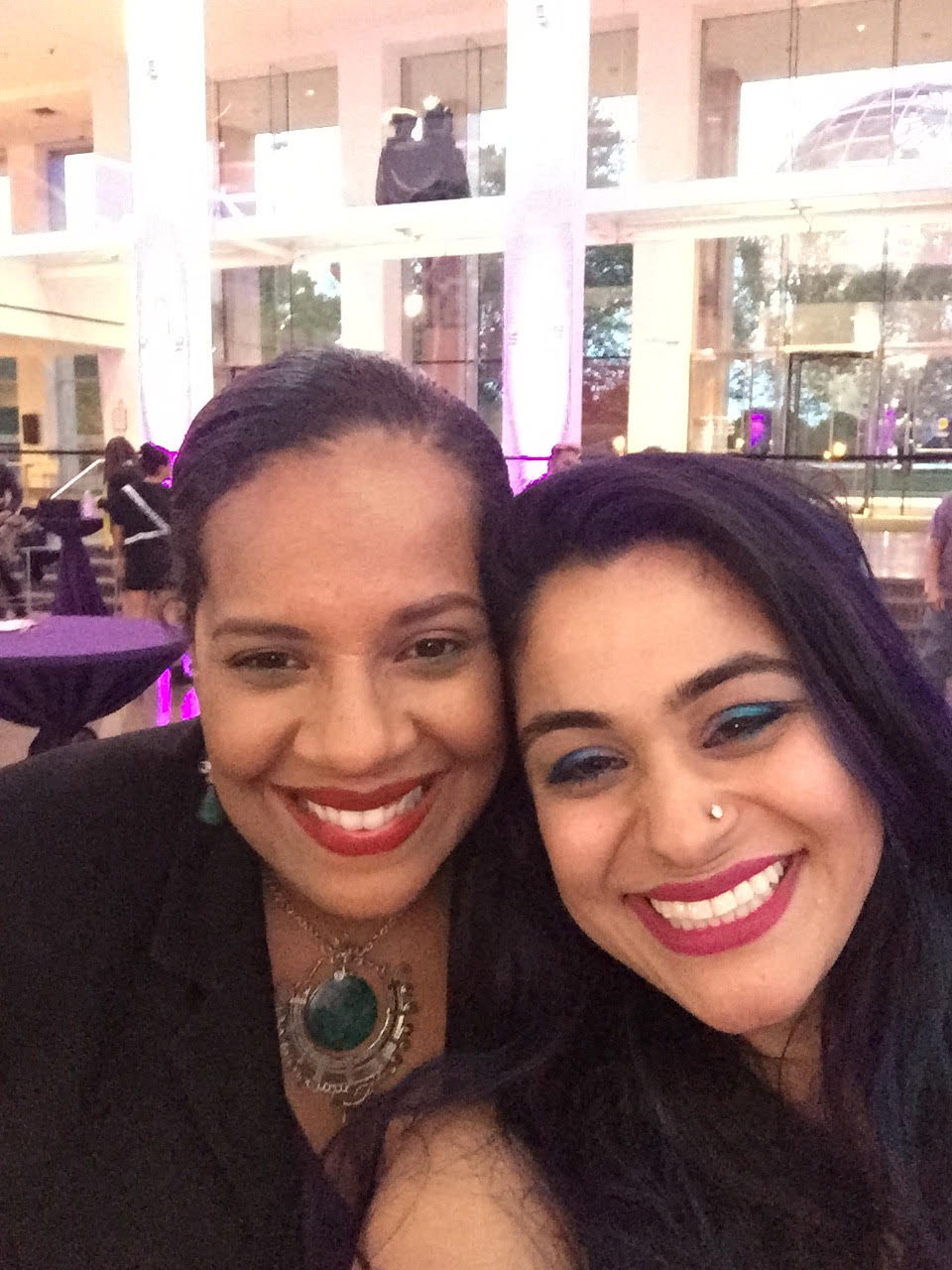
Me and Councilwoman Julissa Ferreras-Copelands at the Pride Prom!
Investigating the clear gap between needs and services for non-binary individuals took us to the very first 2016 NYC Pride Prom held at the Queens Museum where we were able to confer with NYC Councilwoman Julissa Ferrera Copeland who has made key advances in addressing equality ranging from socioeconomic aspects to cultural and health initiatives, including her project to ensure there are free tampons for girls in 25 middle and high schools across the Bronx and Queens. A monumental win for healthcare and human rights, this came at a time shortly after the city was sued over the Tampon Tax, citing gender-pricing as discriminative and in violation of civil rights.
By her side were key social activists in the space like Lady Quesadilla, and Council member Daniel Dromm who explained that Pride Prom was also a celebration of how far New York City’s public schools have come. Earlier this year, it became the first school system in the nation to appoint a liaison for LGBTQ students making sure their needs are heard, prioritized, and addressed by a school official!
Maxim Hygiene is so proud of our elected officials for empowering LGBTQ youth with solutions within the system that improve the strength and sociocultural vibrancy of our next generation. It is up to our leaders to carve a path forwards and act as beacons of progress and that is why this year’s inaugural PrideProm was so important – it marks a step forward for inclusion and equality on unprecedented levels and indicates the potency of grassroots movements.
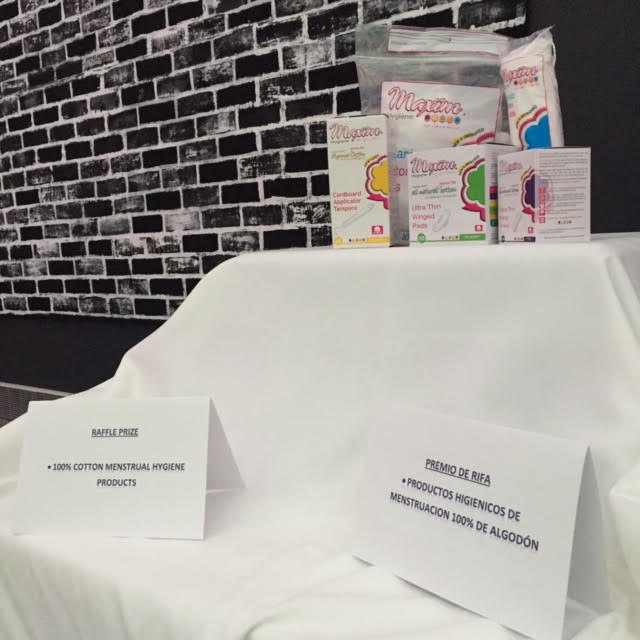
As part of our thanks to the council and support of the community, we donated a health prize basket for the event’s raffle including a year’s supply of our naturally produced, organic cotton tampons and natural sanitary pads. Taking a page out of the Councilwoman’s book, we will continue to be advocates for all individuals dealing with menstruation and other reproductive health issues, remembering to pay attention to those excluded from the larger discourse and using our influence to promote inclusivity.