The phrase “chemical-free period care” is everywhere, but it can be misleading. Technically, every material is made of chemicals, including water, cotton, and skin itself. What most consumers really mean is period care made without unnecessary additives such as synthetic fragrance, dyes, chlorine bleaching byproducts, irritating surface treatments, or undisclosed materials. For people with sensitive skin, allergies, or a preference for simpler personal care products, understanding these distinctions can make a meaningful difference.
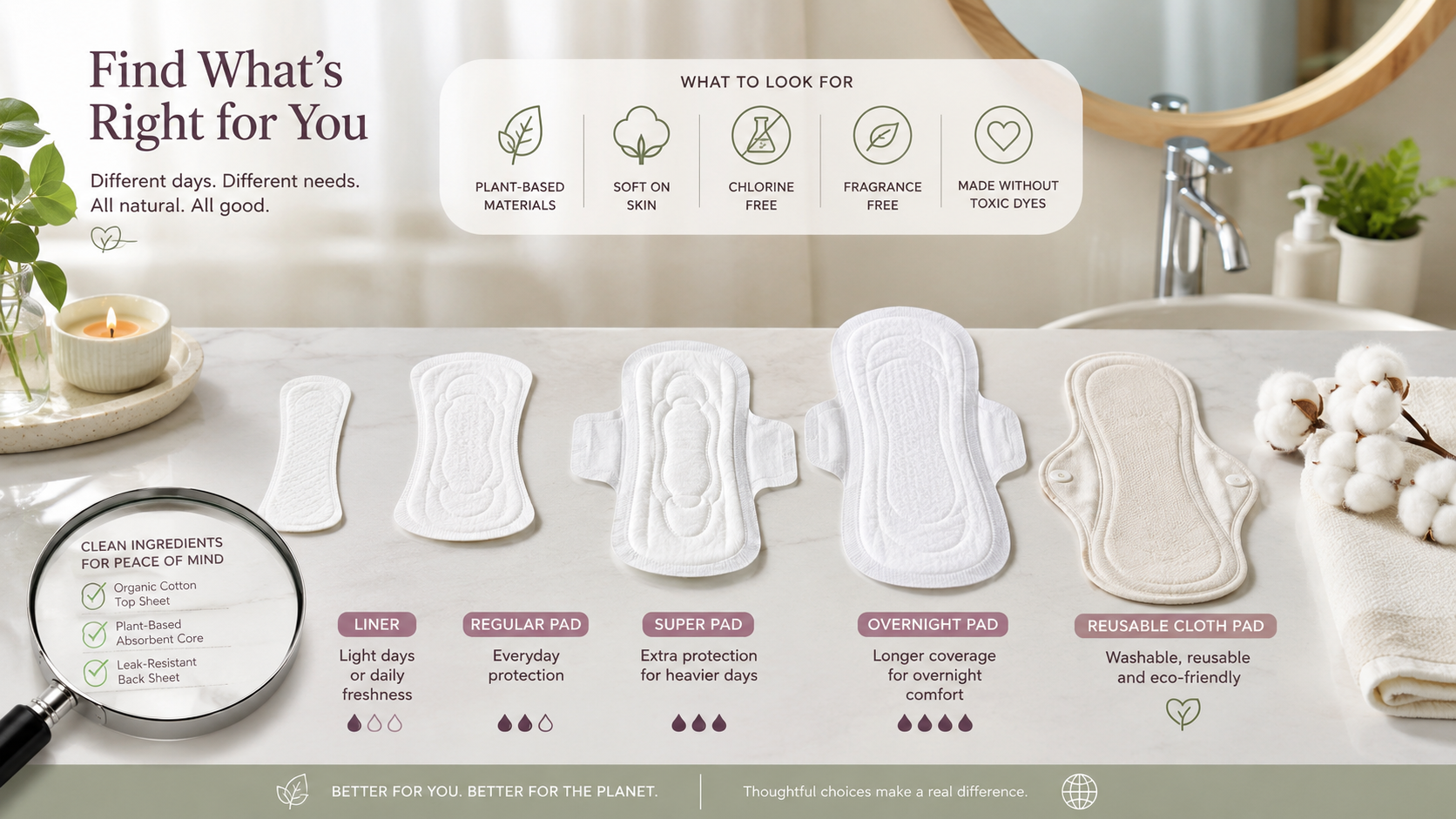
Reading material and ingredient details is the first step toward choosing simpler period care.
What “Chemical-Free” Should Actually Mean
A more accurate term is “made without concerning or unnecessary additives.” In period care, this usually refers to products that avoid fragrance, dyes, chlorine bleaching, pesticides, harsh adhesives near the skin, and synthetic surface coatings. Pads and liners sit against delicate skin for hours, often in a warm, moist environment, so minimizing potential irritants is a practical comfort strategy.
The U.S. Food and Drug Administration classifies menstrual products such as tampons, pads, and menstrual cups as medical devices, and its recent draft guidance focuses on performance testing and labeling considerations for these products. That makes clear labeling especially important for consumers trying to compare materials, absorbency, and intended use. FDA menstrual product performance and labeling guidance
Start With the Top Sheet
The top sheet is the layer that touches the skin, so it deserves the closest attention. A pad may look soft, but the surface material can vary widely. Some products use synthetic nonwoven materials, while others use cotton or cotton-blend layers.
For sensitive skin, a natural cotton top sheet can be a strong choice because it is soft, breathable, and familiar to the body. Cotton does not automatically mean a product is perfect, but it is a useful starting point when looking for period care that feels less processed and more skin-conscious.
This is where products such as Maxim Natural Cotton Ultra Thin Pads and Liners fit naturally into the conversation. They offer an example of period care designed around cotton comfort, thin protection, and everyday wear without making the product feel bulky or overly clinical.
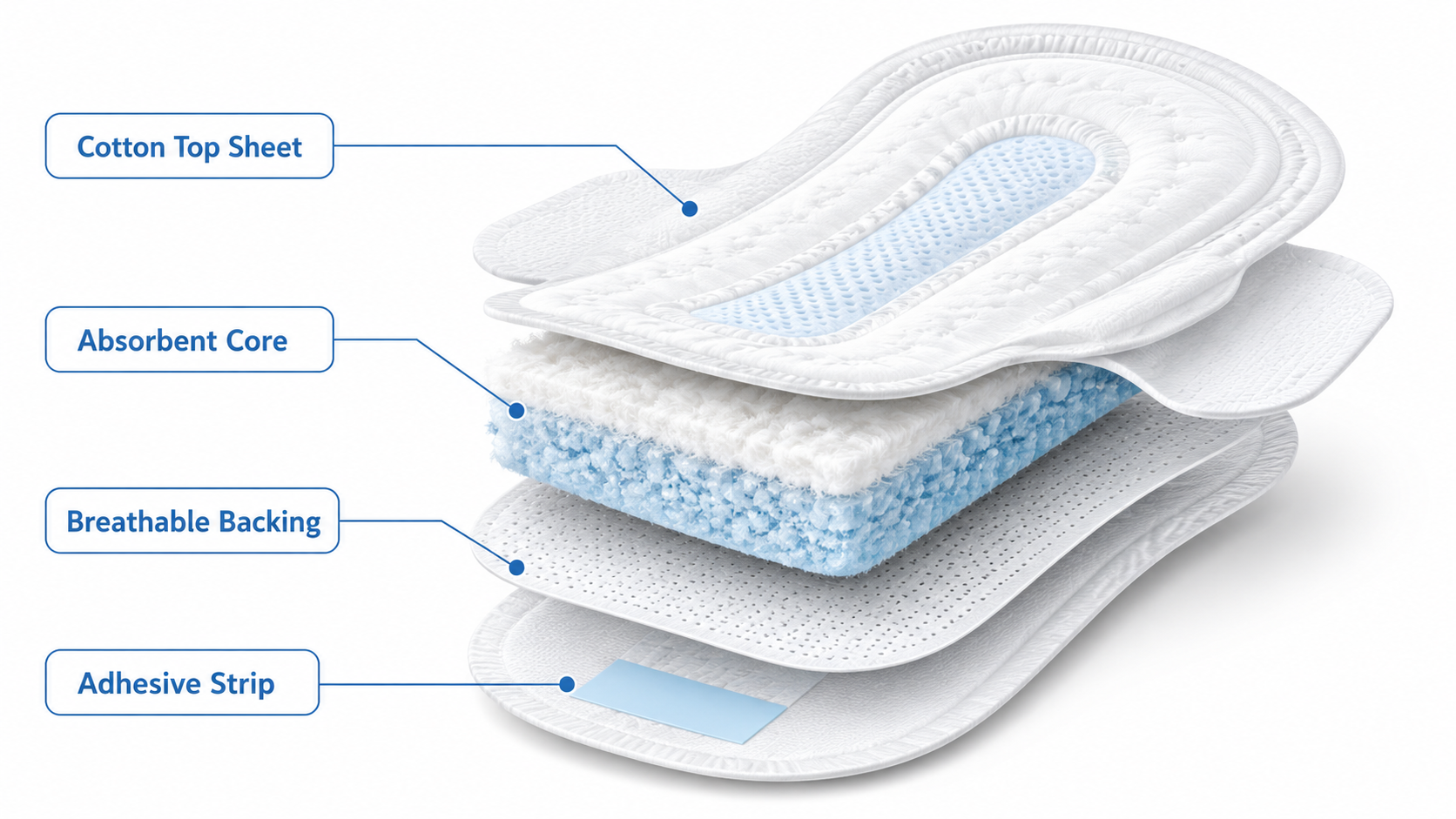
The layer closest to the skin is one of the most important details to evaluate.
Avoid Fragrance and Dyes When Possible
Fragrance is one of the most important red flags in pads and liners. A scented product may seem appealing, but fragrance can contain many individual compounds, and those ingredients are not always fully disclosed on consumer packaging. For intimate care, “freshness” should come from absorbency, breathability, and timely changing—not perfume.
Dyes are another unnecessary feature for many users. A colored design may make a product look more polished, but it does not improve protection. People prone to itching, redness, or irritation may prefer unscented and dye-free products to reduce exposure to avoidable additives.
A 2024 systematic review indexed by PubMed reported that menstrual products have been found to contain measurable levels of endocrine-disrupting chemicals, including phthalates, phenols, and parabens, though exposure levels and health implications vary by product and study design. PubMed systematic review on chemicals in menstrual products
Understand Bleaching and Processing Claims
Many consumers look for pads and liners that are chlorine-free or made without chlorine bleaching. The concern is not always chlorine itself, but the possibility of unwanted byproducts associated with certain bleaching processes. Modern manufacturing has improved significantly, but the larger lesson remains: processing transparency matters.
A National Institutes of Health-hosted review notes that interest in menstrual product contaminants has included concerns about dioxins, volatile organic compounds, phthalates, and other environmental chemicals. The review also emphasizes that menstrual products can be a source of exposure, while research gaps remain. NIH review on menstrual products and environmental chemical exposure
Consumers do not need to become chemists, but they should look for plain-language claims: unscented, dye-free, chlorine-free, cotton top sheet, and transparent material information. When a brand explains what is not included, it helps users make more informed decisions.
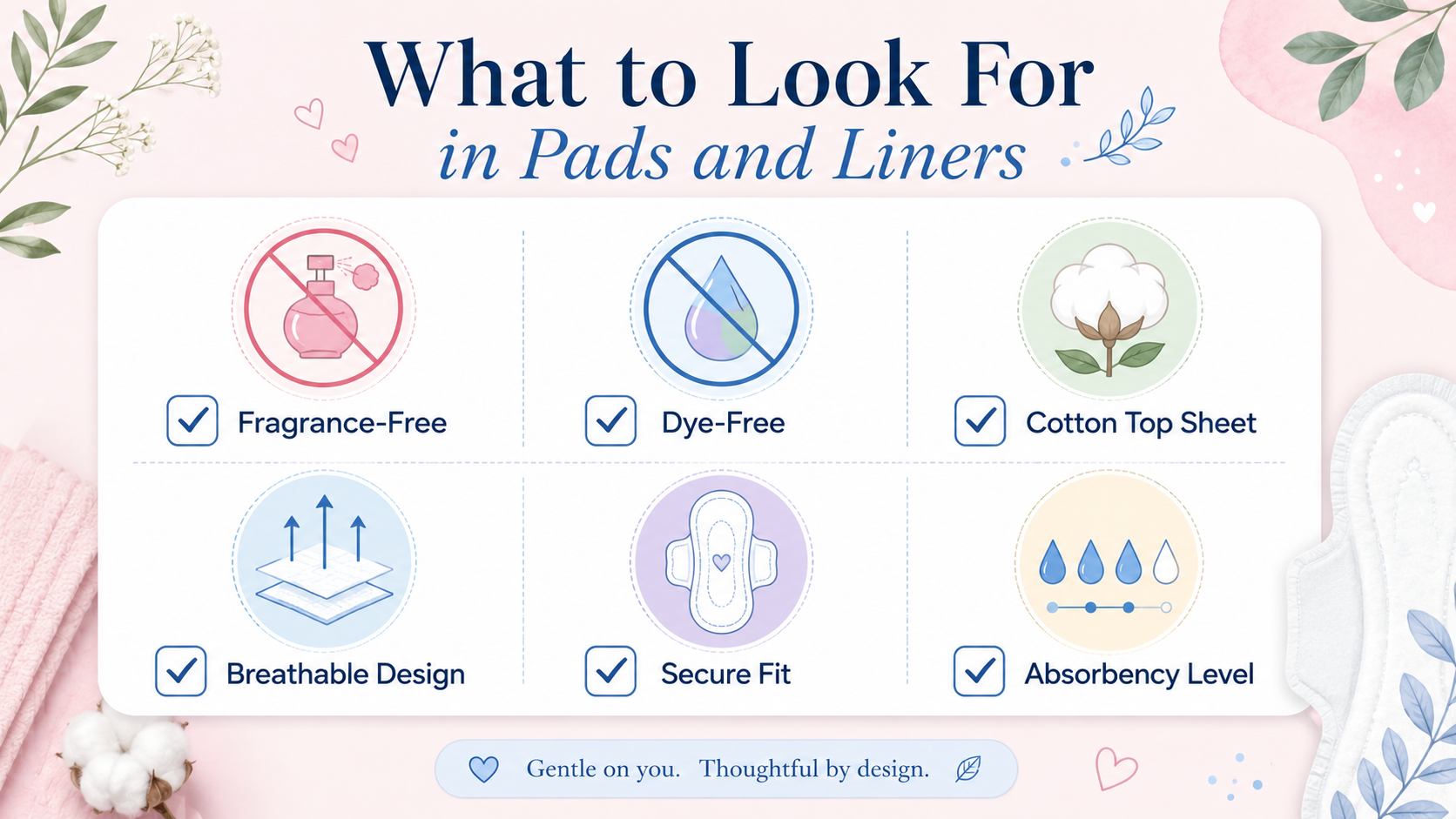
A simple checklist can make period product shopping less confusing.
Match the Product to the Day
Chemical-conscious period care is not only about materials. It is also about choosing the right level of protection. A liner may be ideal for light spotting, backup protection, or daily freshness, while an ultra-thin pad is better suited for active menstrual flow. Heavier days may require wings, added length, or higher absorbency.
Wearing more absorbency than needed can sometimes feel bulky or trap unnecessary moisture. Wearing too little protection can cause leaks and stress. The goal is to match absorbency to flow so the product can do its job while staying comfortable against the skin.
Ultra-thin pads and liners are especially useful for people who want discreet protection without a heavy feel. For everyday movement—work, school, exercise, errands, or travel—thinness can improve confidence while still supporting practical absorbency.
Look for Breathability and Skin Comfort
A pad or liner should help manage fluid while allowing the skin to feel as dry and comfortable as possible. Breathability matters because trapped heat and moisture can contribute to discomfort. A soft cotton surface, proper fit, and regular changing schedule all help support better skin conditions during wear.
Good period care habits also matter. Change pads and liners regularly, wash the external genital area with mild products, avoid heavily perfumed washes, and choose underwear that allows airflow. A well-designed pad helps, but comfort also depends on the full routine.
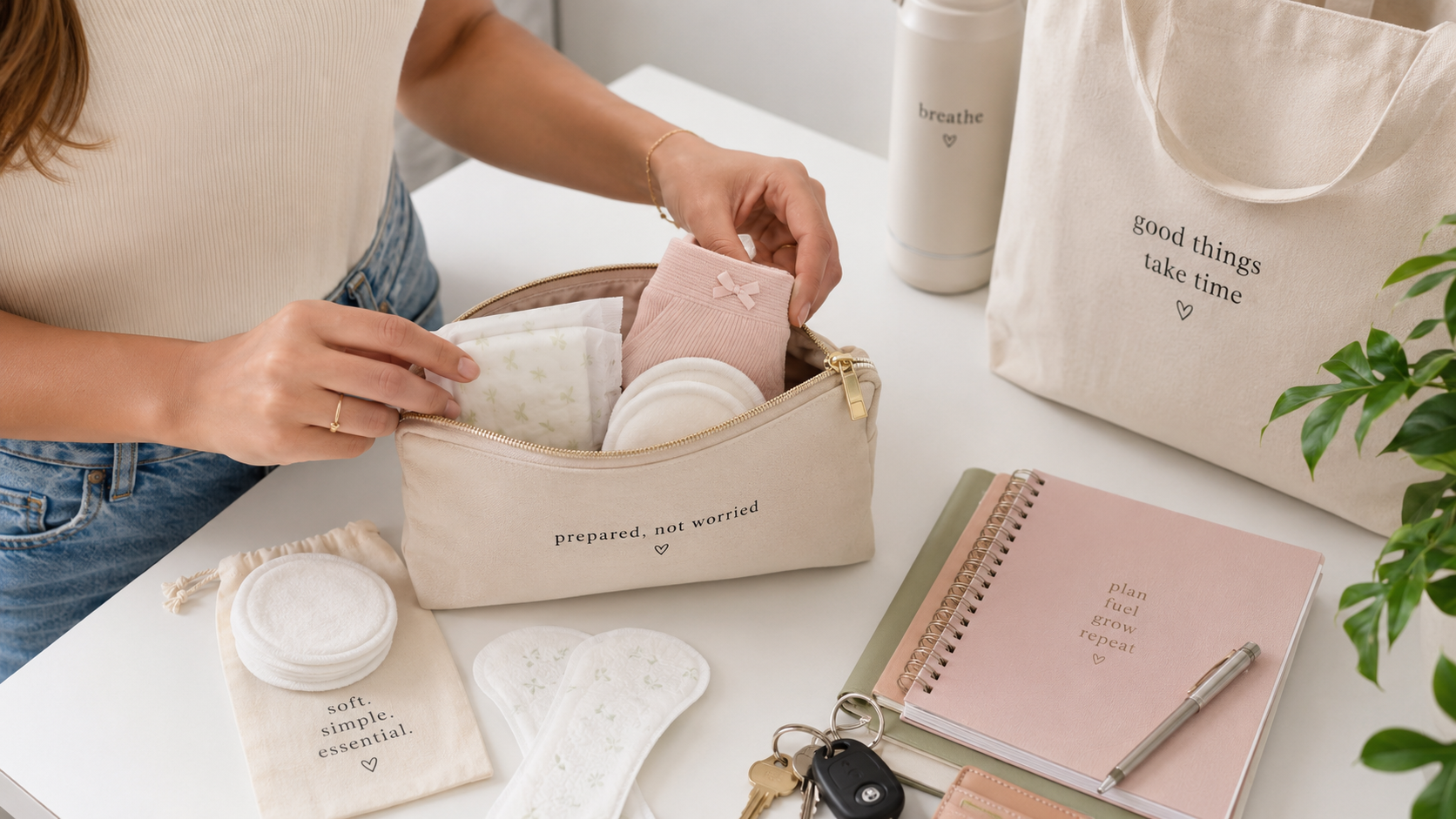
A thoughtful period care routine combines the right product, the right absorbency, and regular changing.
The Bottom Line
Chemical-free period care is best understood as a commitment to simplicity, transparency, and comfort. Look for pads and liners that are unscented, dye-free, breathable, and clear about their materials. Pay special attention to the top sheet, because that is the layer your skin contacts most directly.
Natural cotton pads and liners are not about fear-based shopping. They are about making informed choices for a sensitive part of the body. By learning how to read product claims and match absorbency to your daily needs, you can build a period care routine that feels cleaner, calmer, and more comfortable.