For many people, choosing period care used to be simple: pick the absorbency, decide whether wings are needed, and move on. Today, shoppers are asking better questions. What touches the skin? What is the pad made from? Does “cottony soft” mean real cotton? Is “organic” a regulated claim or just packaging language? These questions matter because pads and pantiliners are worn directly against sensitive skin for hours at a time, often several days in a row.
Organic cotton period care is not about luxury. It is about material transparency, skin comfort, and a more informed approach to everyday hygiene. Products such as Maxim® 100% Certified Organic Cotton Ultra Thin Pads & Pantiliners fit into this conversation because they give consumers a practical example of period products designed around certified organic cotton, unscented use, and multiple absorbency options.
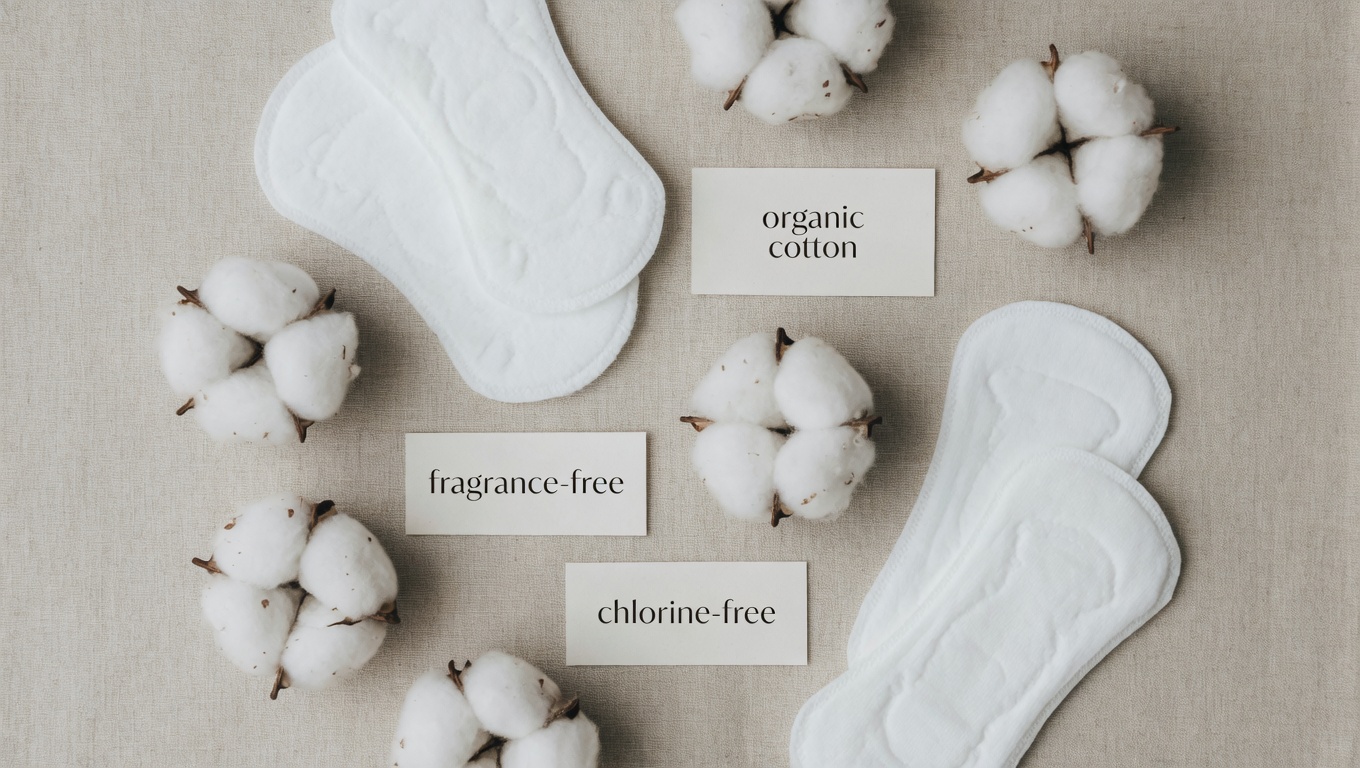
Organic cotton period care begins with understanding what materials are actually touching the skin.
“Organic Cotton” Starts at the Farm
Organic cotton begins as cotton grown under an organic agricultural standard, not simply cotton that feels natural. According to Textile Exchange, raw cotton must be grown on a farm certified to a government-controlled organic standard before it can legally be sold as organic. Voluntary standards can then track organic cotton through the supply chain using chain-of-custody systems. Textile Exchange’s organic cotton certification guidance helps explain why certification is more meaningful than a vague “natural” claim.
This distinction is important in period care because many conventional pads use synthetic topsheets, plastic films, adhesives, fragrances, dyes, or absorbent polymers. These materials can perform useful functions, but consumers deserve to know the difference between a product that merely feels soft and one that actually uses certified organic cotton in the areas designed for skin contact and absorption.
Certification Helps Reduce Greenwashing
The word “organic” can be confusing when it appears on textiles. A pad may include some organic cotton without the entire product being made exclusively from organic materials. This is why recognized standards matter. The Global Organic Textile Standard describes GOTS as a leading textile processing standard for organic fibers, with third-party certification across processing stages and environmental criteria.
For consumers, the key lesson is simple: do not rely on front-label language alone. Look for specific claims such as “certified organic cotton,” “chlorine-free,” “fragrance-free,” or “dye-free,” and compare those claims with the product description. In the case of Maxim’s organic cotton ultra thin pads and pantiliners, the product positioning emphasizes certified organic cotton and options for different absorbency needs, making it easier to match material preference with daily function.
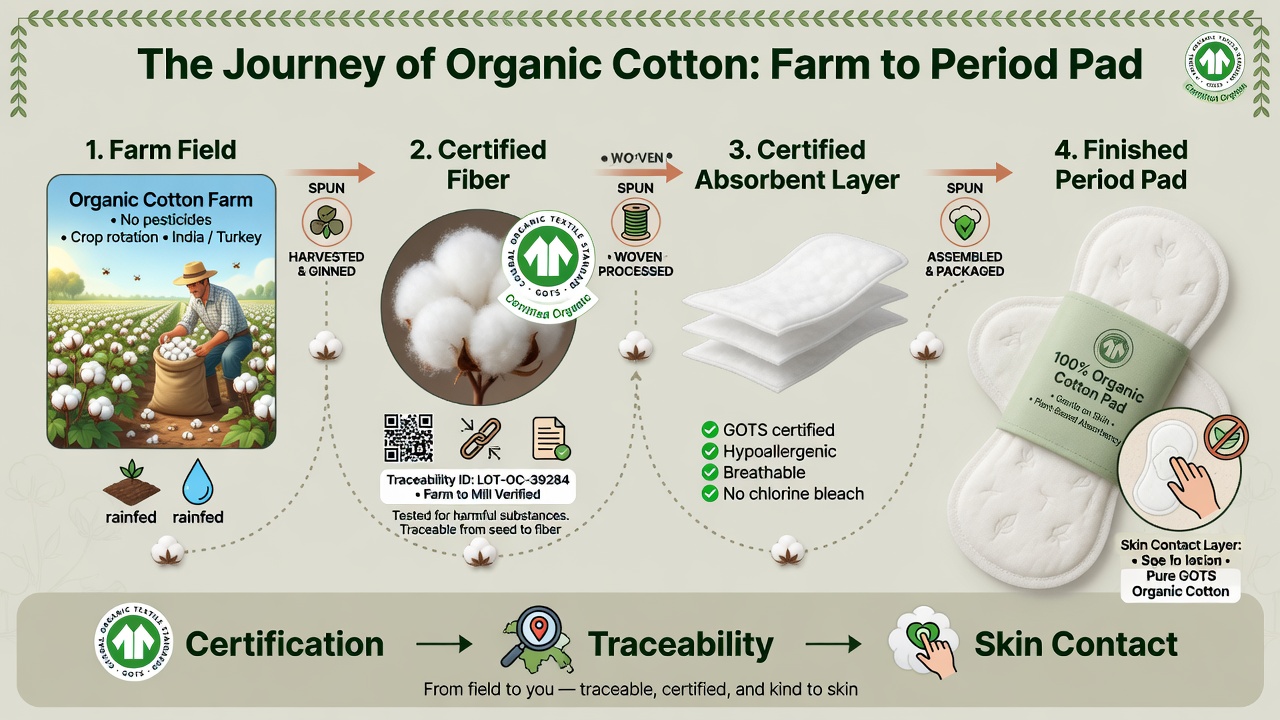
Organic cotton certification supports traceability from farm production to finished textile applications.
Why Skin Contact Changes the Conversation
Pads and pantiliners are external products, but they still sit against delicate vulvar skin. The area can be affected by heat, moisture, friction, and repeated wear. For people prone to itching, chafing, or general sensitivity, avoiding unnecessary additives can be a reasonable comfort strategy.
Fragrance is one common example. Scented products may seem appealing, but fragrance ingredients are not essential for absorbency or leak protection. Similarly, dyes and unnecessary colorants may be more about appearance than performance. A simpler material approach—such as unscented organic cotton pads and liners—can help reduce exposure to nonessential additives during menstruation or daily discharge management.
This does not mean every conventional pad is unsafe, nor does it mean organic cotton is a medical treatment for irritation. It means that material choice is one controllable part of a broader comfort routine that also includes changing products regularly, choosing the right absorbency, and avoiding prolonged dampness.
Chlorine-Free Processing and Consumer Questions
Many shoppers associate organic period care with concerns about chlorine bleaching and dioxins. The U.S. Food and Drug Administration notes that FDA-cleared tampons sold today use absorbent fibers made with bleaching processes free from elemental chlorine, which prevents dangerous dioxin levels. The FDA also provides guidance for menstrual tampons and pads in premarket submissions, including recommendations related to chemical residues. FDA consumer guidance on tampon safety is a useful reference for understanding how regulators discuss these issues.
For pads and pantiliners, the practical takeaway is not panic; it is informed selection. Consumers who prefer to avoid chlorine bleaching, synthetic-heavy materials, fragrance, or dyes can use these preferences as screening criteria. Organic cotton pads give those shoppers a clearer path toward products designed with fewer unnecessary material concerns.
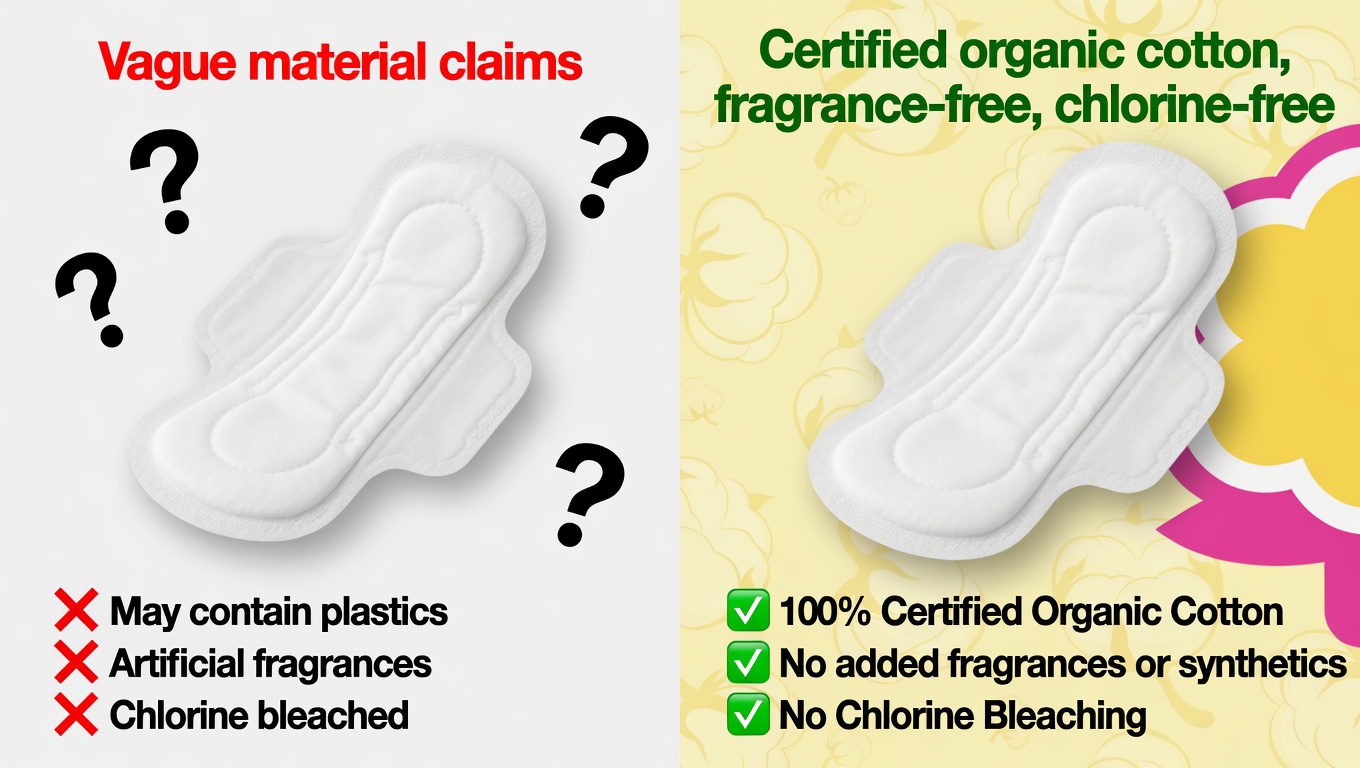
Clear labeling helps consumers distinguish certified material claims from general softness claims.
Pads vs. Pantiliners: Choosing the Right Format
Organic cotton is only one part of period care. Fit and absorbency matter just as much. Ultra-thin pads are generally used during menstrual flow, while pantiliners are better suited for light spotting, backup protection, discharge, or the beginning and end of a cycle. Wings can help stabilize a pad during movement, while contour designs may feel more discreet under clothing.
The Maxim organic cotton line includes pads and pantiliners across formats and absorbencies, which is useful because no single product works for every hour of a cycle. A lighter liner may be appropriate for daily freshness or very light days, while a regular or super absorbency pad may be better suited for active flow. Choosing the lowest absorbency that still provides reliable protection can improve comfort by reducing bulk and helping the product feel more proportionate to the day’s needs.
Organic Cotton as Part of a Better Period-Care Checklist
A thoughtful period-care checklist should include more than absorbency. Ask whether the product is fragrance-free. Check whether the cotton claim refers to certified organic cotton. Look for information about bleaching, dyes, and synthetic components. Consider whether the pad shape suits your body and activity level. Finally, pay attention to how your skin responds over several cycles.
For consumers trying to build a more transparent hygiene routine, certified organic cotton pads and pantiliners are a practical place to start. They do not require a complicated lifestyle change, and they address a product category that is used repeatedly and intimately. By learning what “organic cotton” really means, shoppers can move beyond marketing language and make choices based on materials, standards, comfort, and trust.
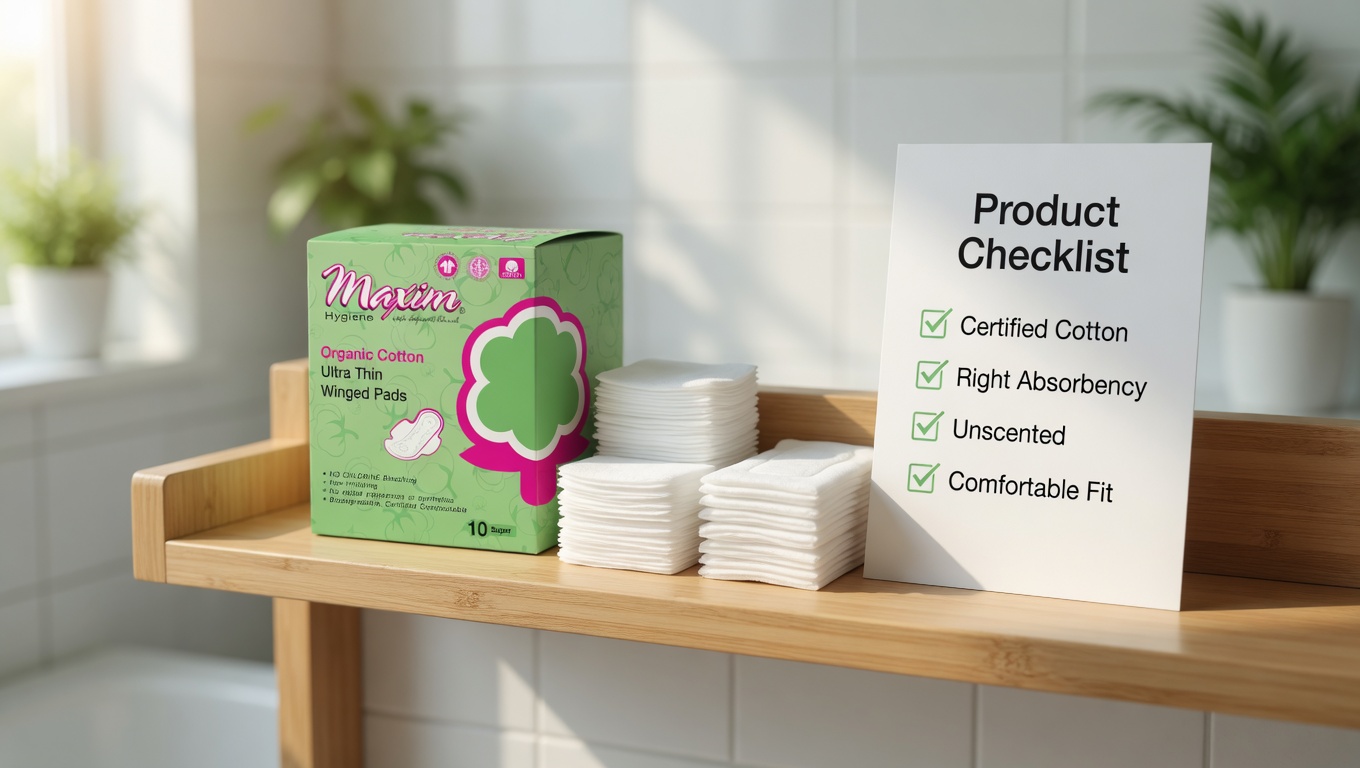
A better period-care routine combines material transparency with the right absorbency and fit.