
It’s hard to believe it’s almost Memorial Day weekend, the official start of summer! Excited thoughts of beach bumming, walks in the park, barbecues, outdoor markets and rooftop brunches fill my head. After a long winter where even our friends in the south got it bad, can’t you feel your skin calling out for the warmth of the sun and some natural vitamin D?
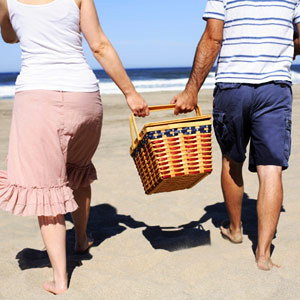
As much as we’re yearning for some fun in the sun, we Green Feminine Hygiene Queens are well aware that we need to safely protect our skin from sun overexposure. The problem with too much time in the sun is the exposure to UV (ultraviolet) rays that lead to skin cancer. “About 90 percent of nonmelanoma skin cancers and 65 percent of melanoma cases are associated with exposure to ultraviolet (UV) radiation from the sun,” says Perry Robins, MD, President of The Skin Cancer Foundation. Long amounts of exposure to the sun also cause cosmetic damage, giving skin that dry, leathery, worn look. There’s a fine line between soaking up a healthy dose of vitamin D and dangerously sizzling yourself.
The Environmental Working Group, famous for their amazing natural cosmetics guides, has an ongoing sun safety campaign where they offer a variety of online resources. One of the best things I’ve ever quite possibly seen is their 2013 Guide to Sunscreens which rates practically every sunscreen on the market by their UV protection and stability, along with breaking down all of the ingredients and their level of danger. The majority of commercial sunscreens include parabens and other endocrine disruptors (chemicals that mimic hormones and interrupt the normal function of your hormones). One of the most widely used chemicals is avobenzone which is excellent at blocking UV rays but has been shown to cause reproductive health issues in animals. Instead, experts suggest looking for sunscreens with zinc oxide or titanium dioxide which don’t absorb into the skin, protect against UV exposure and don’t disintegrate quickly in the sun.
The EWG guide covers everything from Coppertone to CVS to Nature’s Gate, and distinguishes between beach and sport sunscreens, lip balms, makeup with SPF and moisturizers. It is thorough! In short, make sure you get one that is broad spectrum between SPF 15 to 50. But I’m urging you to take a look and see how your favorite products measure up. All I will say is that I’ll be making some changes in my beauty regime this summer. Make sure to visit their site for their updated 2014 recommendations.
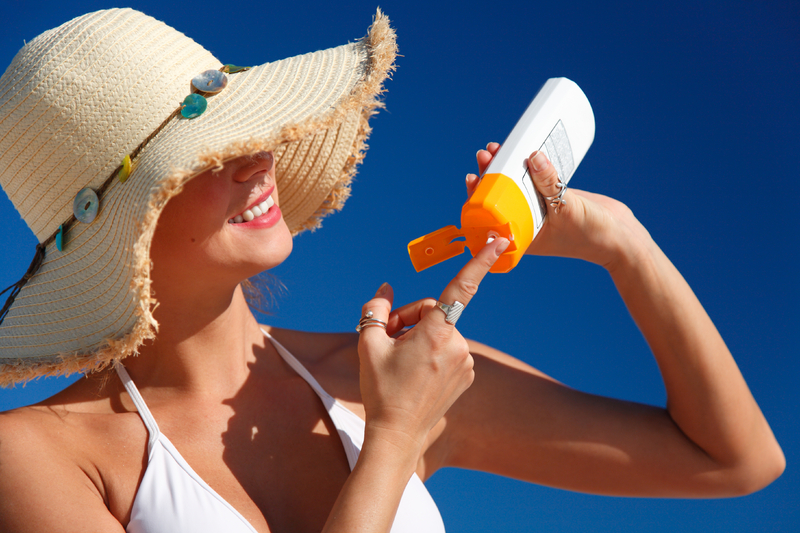
Being sufficiently protected from UV isn’t just about wearing the right sunscreen but also being smart about what you’re wearing. Clothing is one of the best ways to protect from sun damage. Not that you need to wear a floor length gown or a trench coat and gloves this summer, but there are plenty of lightweight fabrics that will keep you covered and cool. You can also be stylish and safe by wearing wide-brimmed hats, visors or caps to shield your face from the sun. One of the most fun summer accessories are sunglasses which are critically important in sun protection. Make sure you’re both fly and functional by getting sunglasses with larger frames that offer UVA/UVA blockage. You want to cover both your eyes and the delicate skin around them. Here are some helpful tips to help you when choosing the proper pair.
One last thing: try not to bake in the sun during the hours of 10 a.m. and 4 p.m. Now, I realize that’s difficult if you’re hanging at the beach all day, having a picnic, visiting an amusement park or just enjoying nature. That’s why we have provided those sunscreen and clothing tips above! Part of the fun of summer is being able to enjoy time outside, so we must be sure to do it in a way that keeps us Green Feminine Hygiene Queens healthy and happy!