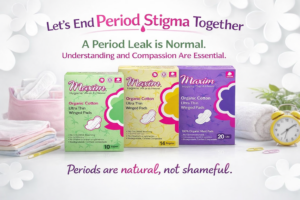
For many women, the hardest part of menstruation is not always the cramps, fatigue, or mood shifts. It is the constant fear of leaking. A bloodstain on clothing or bedsheets may seem like a small accident, but for countless girls and women, it feels like a social disaster.
This fear is far more common than many people realize. In fact, surveys suggest that around 75% of women say public period leaks are their biggest concern during menstruation. That anxiety often shapes daily choices in ways that outsiders rarely notice. Women may avoid wearing white jeans, choose oversized tops “just in case,” sit differently, check their clothes repeatedly, or skip activities they enjoy, such as sports, swimming, travel, or even school.
The emotional burden of this fear is significant. A leak is not just a physical inconvenience. It can trigger embarrassment, panic, and shame, especially when the reaction from others is mocking rather than understanding. For many women, a single humiliating moment in adolescence can leave a lasting mark. A middle school memory of classmates laughing at a stain, a whispered comment in a classroom, or a cruel joke during sports practice can create years of hyper-awareness and self-consciousness.
At night, the anxiety does not disappear. Many women sleep on towels, wear extra protection, or even wake up in the middle of the night to check for leaks. Instead of resting, they stay alert. Something as natural as menstruation becomes a source of stress that interrupts sleep and peace of mind.
This raises an important question: why is a visible sign of menstruation still treated as something shameful in 2026?
A bloodstain is not a moral failure. It is not dirty. It is not something to ridicule. It is simply a normal part of the menstrual cycle, which millions of women experience every month. Yet society still sends the message that periods should remain invisible. Girls are taught to hide pads and tampons, whisper about their cycles, and act as if nothing is happening. Boys, meanwhile, are often not taught empathy or basic menstrual awareness, which leaves room for teasing, jokes, and stigma.
The result is a culture where women feel responsible for preventing any evidence of a natural bodily function. That pressure damages confidence. It teaches girls to manage not only their periods, but also everyone else’s discomfort about periods.
Schools, sports teams, and families all have a role to play in changing this. Menstrual education should go beyond biology. It should include respect, empathy, and practical support. Schools can normalize period accidents by making supplies easily available and addressing teasing seriously. Coaches can create environments where girls do not feel ashamed to speak up if they need a break or a change of clothes. Parents can help by discussing menstruation openly and without embarrassment.
Normalizing period leaks does not mean pretending they are convenient. Of course leaks can be frustrating. But frustration is different from shame. A stained skirt should be treated like spilling coffee on a shirt or getting mud on your shoes: inconvenient, yes, but not humiliating.
If society stopped treating leaks as disasters, women’s confidence could shift in powerful ways. Girls might participate more freely in school and sports. Women might sleep better, dress more confidently, and move through the world with less fear. Most importantly, they would no longer feel that a normal bodily function must be hidden at all costs.
It is time to replace silence with honesty and shame with compassion. A bloodstain should not be a social nightmare. It should be what it truly is: a normal human moment that deserves understanding, not judgment.