
Cunt. Pussy. Snatch. Box. Cum Dumpster. Cock Holster.
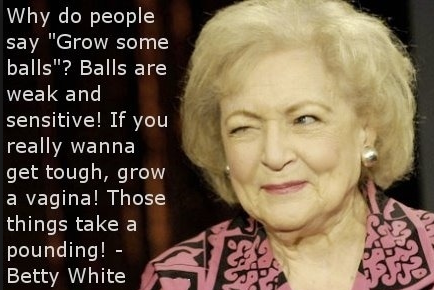 There are dozens of words that have taken the place of “vagina”– a word of recluse that has now developed a strictly biological/formal tone. The word vagina has always been shrouded in attempts of modesty and by notions of shame and has thus remained unclaimed in a patriarchal dialectic constructed by men.
“While the world is only just coming to terms with saying the word vagina out loud, cunt remains a term that takes people’s breath away as they cringe at the sheer power it contains” writes Gillian Schutte for Ms. Magazine. “Pushed underground, banished from conventional language, cunt has long since been appropriated by patriarchs and misogynists and used as an utterance that disgusts or insults in the worst possible way.”
The slang for vagina, and that to replace “the C word”, is endless. Cock holster; cum dumpster; fur burger — each of these euphemisms imply that a woman’s vagina is an object or a receptacle for men. Ultimately, a woman’s agency is denied because her identity is defined not just by her relationship to men, but her use as an object by men.
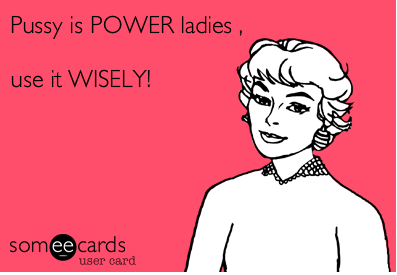 From ancient cultures to current hip-hop, the vagina is revered as sacred and powerful not only for its role in reproduction, but also for the power it exerts over men. It is in the effort of diminishing that power, that men have come up with such slang — to make the vagina itself less powerful and less sacred. Some may argue that the colloquial use of these terms have been successful in denigrating the vagina to pussy, a word whose connotation again is derogatory in its reference to a feral animal who must be or should be tamed.
The word pussy has evolved to imply a lack of courage or fear. Pussy has been established as the polar opposite of manliness; its implication is emasculating. Calling a man a pussy as an insult points to how ingrained sexism is in our culture and how much of our language fortifies our patriarchal society. Women are subjugated and oppressed by the word pussy, but also by the value implication that being the opposite (or anything but) a hyper-masculine male has less worth.
In general, the undertones of slang (such as the words above) highlight man’s obsession with the vagina, their quest to penetrate and control it, and to distinguish themselves from it. This unintentionally gives vaginas, and women, back their power. The use of such language has only augmented the taboo surrounding the word vagina, and ironically, recognizes the power of the word.
 This is similar to Hermione Granger’s refusal to use nicknames for Lord Voldemort; she explains that “the fear of a name only increased fear of the thing itself.” The vagina, like Lord Voldemort, remains a separate and protected concept. The proliferation of slang thereby strengthens the concept of the vagina as something sacred, making the word vagina something that women need to reclaim.
For a role model, we can always look at one of Maxim Hygiene’s Fierce Women– Eve Ensler, author of the Vagina Monologues and leader of the V-Day campaign. She writes: “As we succeed, our victories attract a more virulent resistance. As we get a foothold on our rights and power, the push back from the patriarch[y] gets more dangerous…We must be as disruptive and loud and determined and organized… We must stop being polite and behaved and find new inventive tactics to shift the paradigm… We literally hold the future in our bodies.
We must reclaim the word vagina and re-purpose it in ways that celebrate its strength. Using its implied power and sanctity, we need to work to position it in clearer and more visible light so that we can shift implications within our cultural dialectic and move towards a more equally respectful society. A future post will explore how we can find lighter more empowering ways of referring to our lady parts. In the meantime, tell us what other pseudo names for the beautiful word vagina make you feel empowered or disempowered by commenting below.