
Not every day of your cycle calls for the same level of protection. Some days involve a regular menstrual flow. Other days may bring light spotting, everyday discharge, the beginning or end of a period, or the need for backup protection while using a tampon, menstrual cup, or disc. Choosing the right pad or liner for each situation can make daily hygiene feel more comfortable, discreet, and manageable.
The key is not simply choosing the most absorbent product available. It is choosing the right balance of absorbency, breathability, material comfort, fit, and purpose. For many people, an ultra-thin pad or liner offers enough protection without unnecessary bulk, especially during light-flow days or when used as period backup.
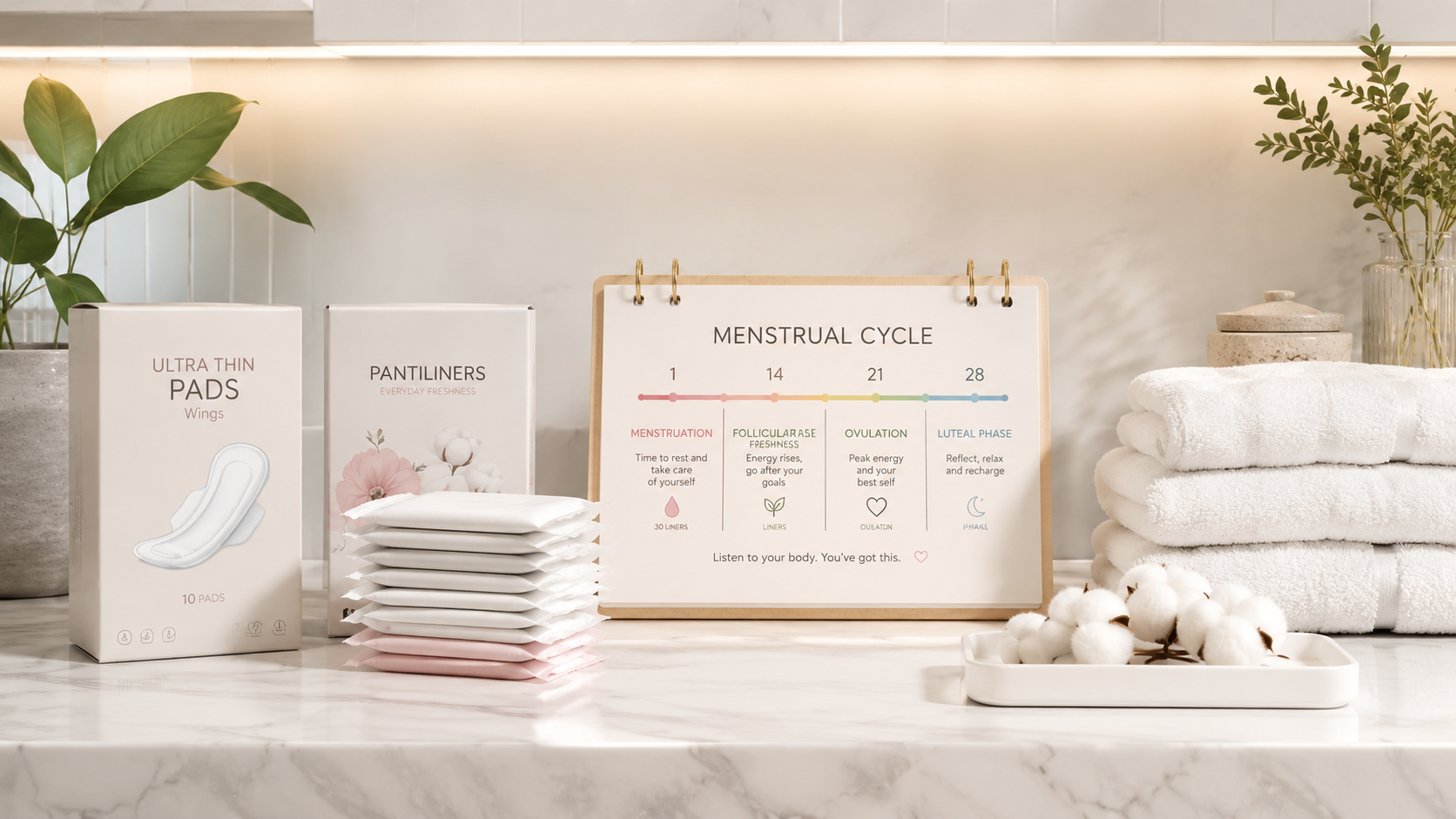
Different days of the cycle may call for different levels of protection.
Understanding Light Flow, Spotting, and Discharge
Light flow usually happens at the beginning or end of a menstrual period, when bleeding is present but not heavy. Spotting refers to light bleeding outside of regular menstrual flow, and it may be related to hormonal changes, birth control, ovulation, pregnancy, perimenopause, or other health factors. Cleveland Clinic notes that vaginal bleeding may be part of menstruation, but it can also be linked to medical conditions, hormonal shifts, or pregnancy, so unusual or persistent bleeding should be discussed with a healthcare professional.
Discharge is different from menstrual bleeding. Normal vaginal discharge is often clear or whitish and can change throughout the cycle. However, changes in amount, color, consistency, or odor may indicate infection or another concern.
This distinction matters because a liner designed for discharge or light spotting is not the same as a pad designed for moderate or heavy menstrual flow. Using the lightest effective option can help reduce bulk while still protecting underwear and clothing.
Quick Selection Guide: Which Product Fits the Situation?
| Situation | Best Product Type | What to Look For | Why It Helps |
|---|---|---|---|
| Daily discharge | Thin pantiliner | Breathable, soft cover, secure fit | Helps keep underwear fresh without bulk |
| Light spotting | Light liner or ultra-thin light pad | Slightly more absorbency than a daily liner | Supports unexpected light bleeding |
| First or last period day | Ultra-thin regular pad | Flexible shape, comfortable topsheet, moderate absorbency | Handles light menstrual flow more securely |
| Tampon, cup, or disc backup | Thin liner or light pad | Discreet profile, strong adhesive, leak coverage | Adds confidence against small leaks |
| Travel or long workday | Individually wrapped liner or pad | Portable, hygienic wrapping | Easy to keep in a bag, desk, or car |
| Odor concern without fragrance | Fragrance-free liner or pad with odor-control features | Unscented design, breathable materials | Helps avoid masking odor with perfume |
Why Breathability and Material Comfort Matter
Pads and liners sit close to sensitive skin, sometimes for several hours. That makes material choice important. Many shoppers prefer fragrance-free options because added scents may be unnecessary and can be irritating for some users. The FDA identifies scented and unscented menstrual pads as regulated medical devices, and its guidance distinguishes menstrual pads by design, materials, and safety profile considerations.
For everyday use, look for soft topsheets, reliable adhesive, a shape that stays in place, and a breathable feel. Cotton-based covers may appeal to people who prioritize comfort and softness. For light flow, spotting, and backup use, the goal is protection that feels barely there but still performs reliably.
A product such as MaxION® Silver Ion + Tourmaline Ultra Thin Pads and Liners fits naturally into this category because it is designed for slim, discreet protection across pads and liners, with silver ion and tourmaline technology positioned for freshness and odor-control support. Maxim Hygiene also offers specific options such as MaxION® ultra-thin pantiliners for light protection and MaxION® ultra-thin contour maxiliners for light flow, which can help shoppers match absorbency to daily needs.
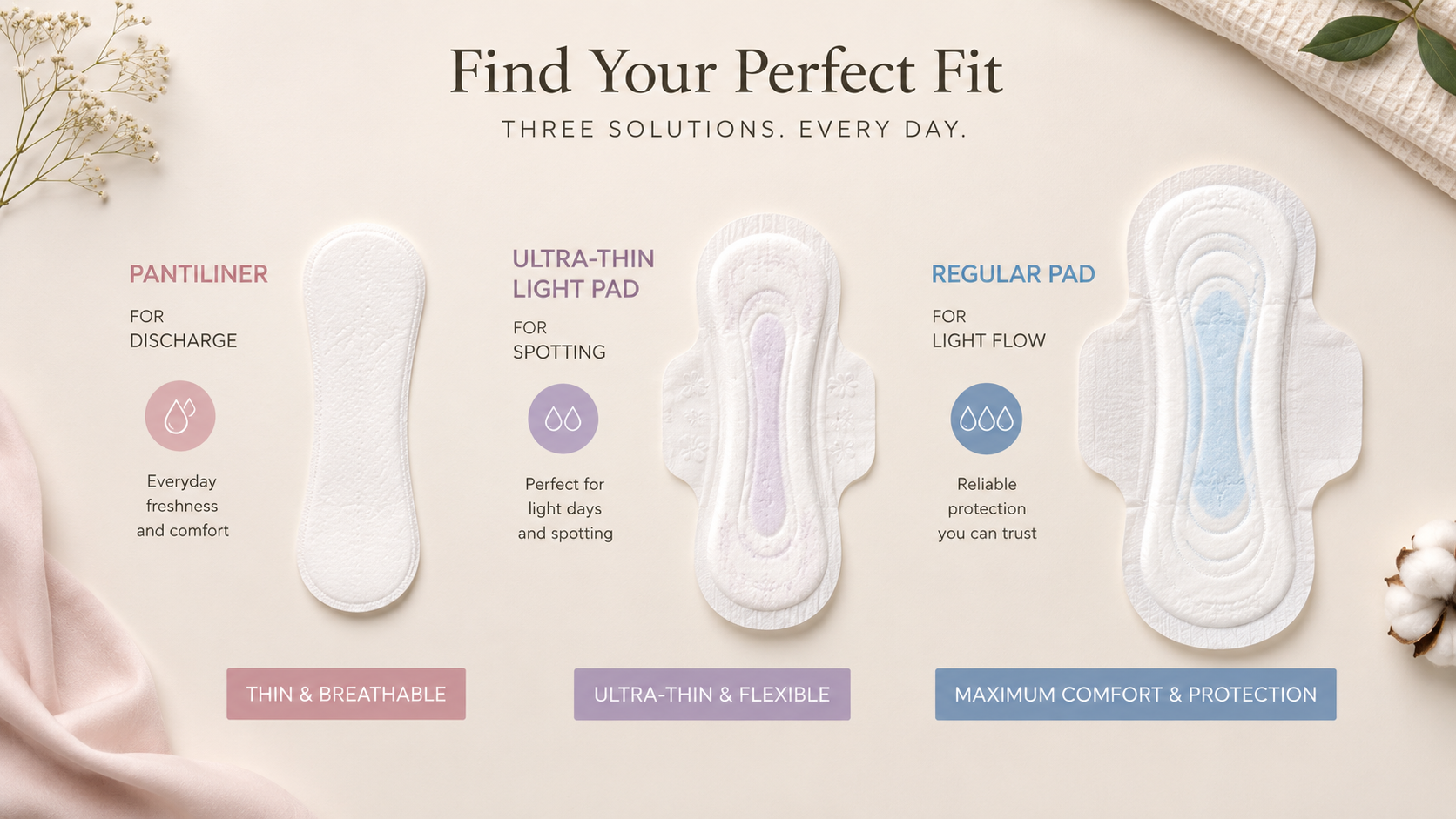
Matching absorbency to the situation helps improve comfort and confidence.
Odor Control Without Overdoing It
Odor concerns are common, especially during menstruation or on long days away from home. However, it is helpful to separate normal body changes from symptoms that may need care. The CDC explains that bacterial vaginosis is linked to an imbalance of vaginal bacteria and that practices such as douching can disrupt normal vaginal balance. WomensHealth.gov also warns that douching may increase the risk of bacterial vaginosis and irritation.
That means the best daily hygiene approach is usually simple: choose breathable products, change liners or pads regularly, avoid inserting unnecessary cleansing products, and speak with a clinician if odor is strong, fishy, persistent, or paired with itching, burning, pain, or unusual discharge.
Fragrance-free odor-control products can be useful because they focus on freshness without relying on perfume. MaxION’s silver ion and tourmaline technology is presented as a freshness-supporting feature in its ultra-thin pads and liners, making it a practical example for readers who want odor-conscious period care without a heavily scented product.
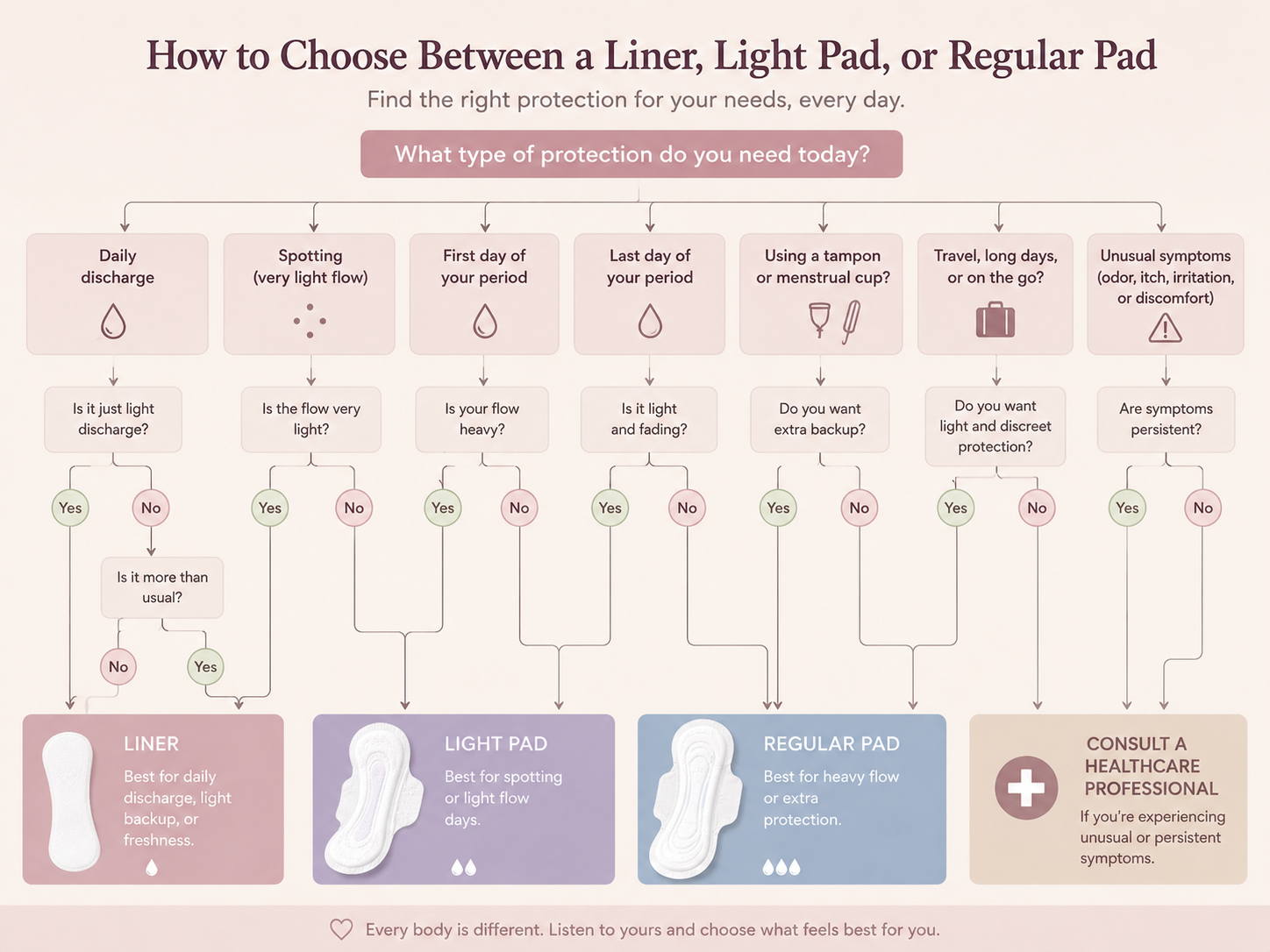
How to Choose Between a Liner, Light Pad, or Regular Pad
Change Frequency and Daily Hygiene Habits
Even for light flow or discharge, pads and liners should be changed regularly. A liner worn all day can trap moisture, especially during exercise, hot weather, or long commutes. As a general hygiene habit, change liners when they feel damp, after workouts, or whenever freshness and comfort decline.
For backup use with tampons, cups, or discs, a liner may stay mostly dry, but it still should be replaced as part of normal daily hygiene. Individually wrapped options are especially useful for school, work, travel, gym bags, and postpartum or perimenopause care kits.
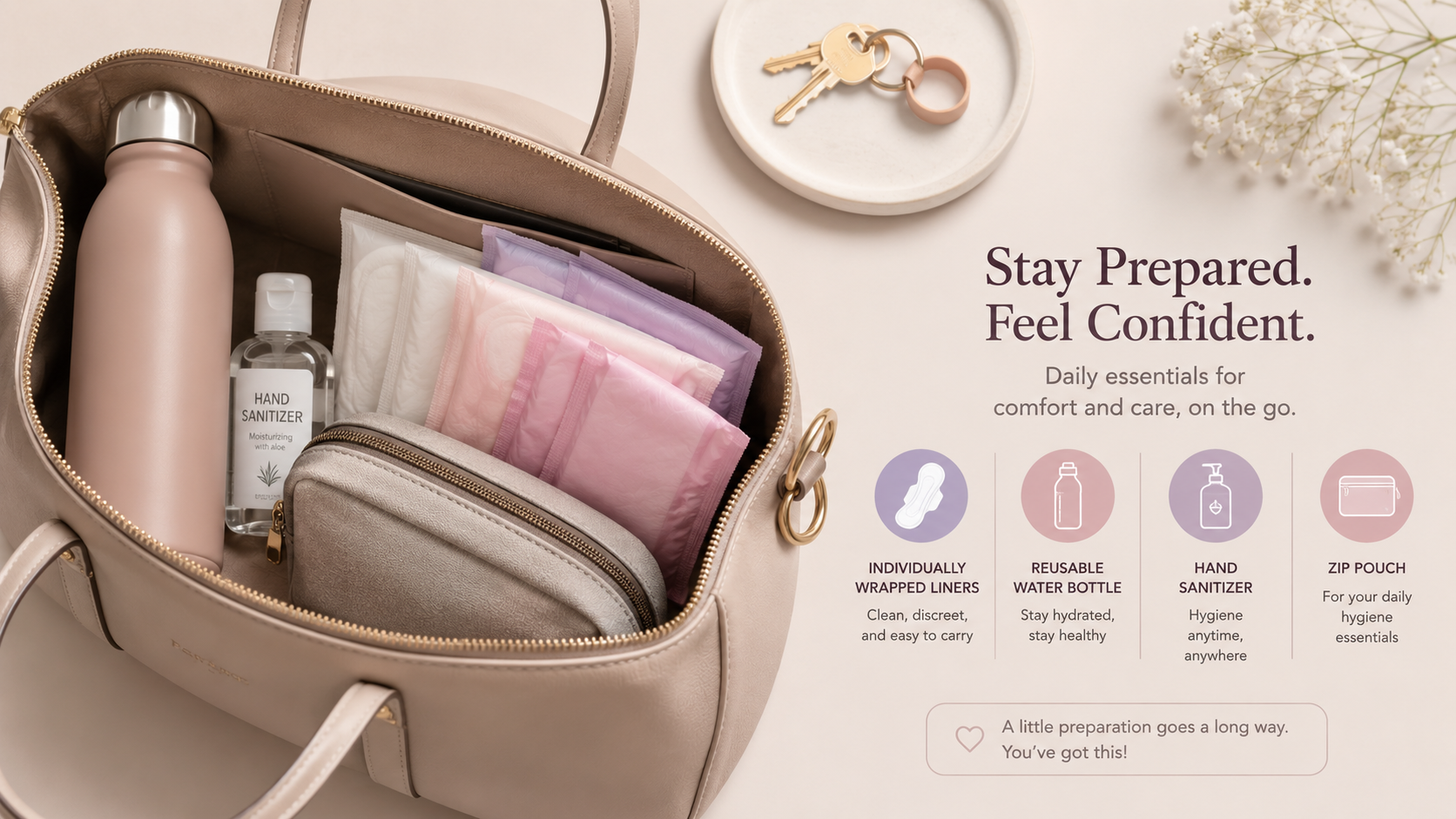
Individually wrapped liners make light protection easier to carry discreetly.
When Light Bleeding or Discharge Needs Medical Attention
Pads and liners help manage everyday protection, but they are not a substitute for medical guidance. Contact a healthcare professional if spotting is new, heavy, persistent, occurs after menopause, happens during pregnancy, or is accompanied by pelvic pain, fever, dizziness, unusual odor, itching, burning, or discharge that is green, gray, or strongly unpleasant.
A helpful rule: products manage moisture and protection; they do not diagnose the reason for a change. When your body’s pattern changes noticeably, it is worth getting answers.
Final Takeaway
Choosing pads and liners for light flow, spotting, discharge, and period backup is about matching the product to the moment. A thin daily liner may be enough for discharge. A light pad may be better for spotting or the final day of a period. A regular ultra-thin pad can offer more confidence when flow is unpredictable.
For shoppers who want slim protection with a freshness-focused design, MaxION® Silver Ion + Tourmaline Ultra Thin Pads and Liners provide a useful example of how modern pads and liners can combine discreet fit, cotton comfort, and odor-conscious technology without making the product feel bulky or overly clinical.
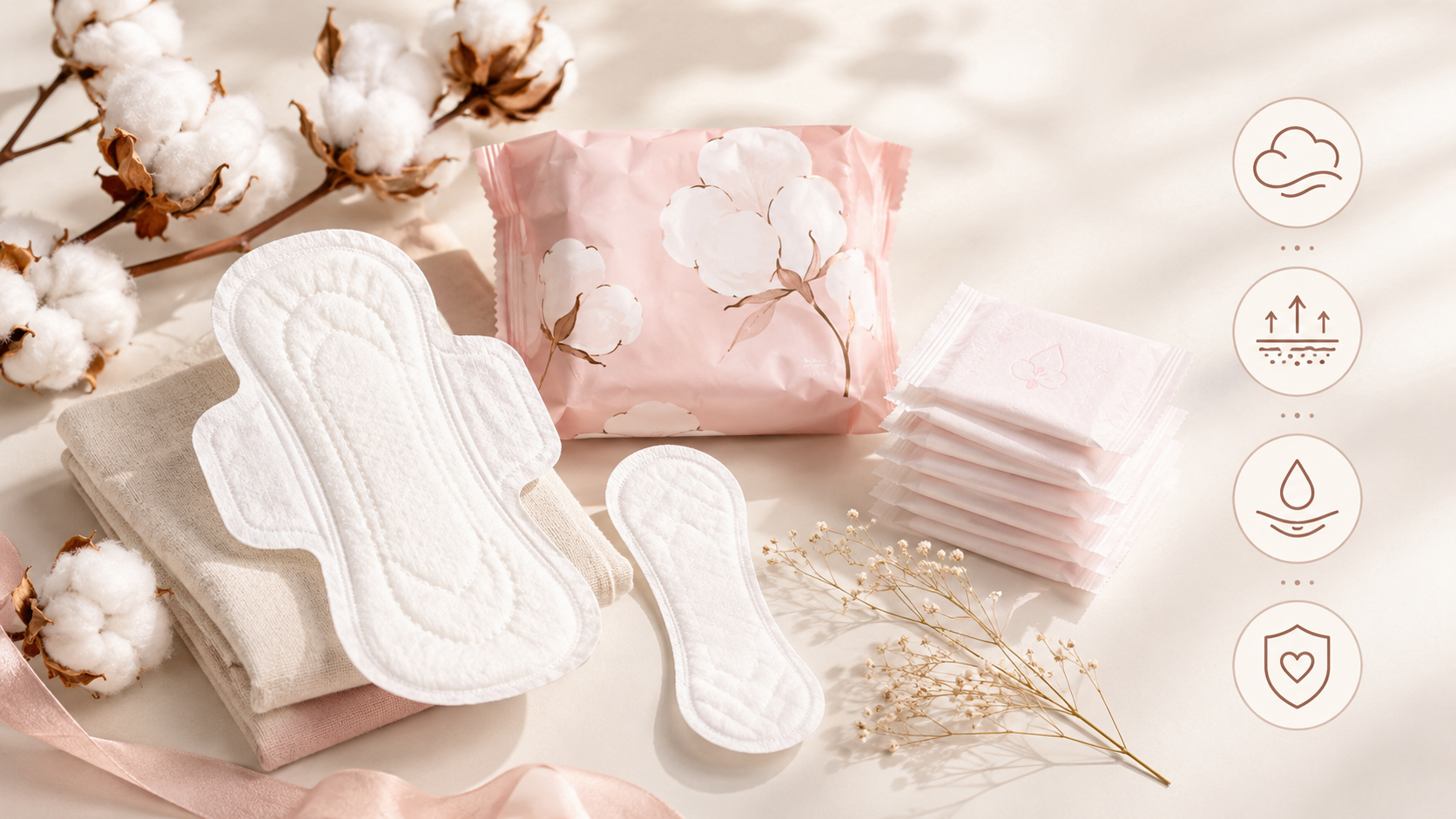
The best light-protection product is the one that fits your body, routine, and comfort needs.