
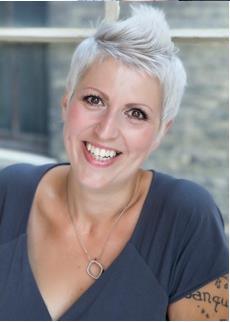
 Mesothelioma. Just what exactly is that, you ask? I didn’t know either until I learned about Heather Von St. James, our April “Fierce Woman.” I only knew of it from ads for cheap legal services on TV or at the bus stop. Well, mesothelioma is a rare type of cancer connected to asbestos exposure. It seems like a problem that only affected our parents’ generation but asbestos exposure is still an important public health issue.
This week is Asbestos Awareness Week so in the spirit of education and awareness, we were honored to interview mesothelioma survivor, advocate, blogger and mom, Heather Von St. James. She shared her incredible story with us so that she can continue to spread the word about this disease and how we can prevent it in ourselves and our loved ones.
1) What is mesothelioma? What has been your experience with it?
Mesothelioma is a cancer of the lining of organs, or mesothelium. The 3 main types, Pleural, which affects the lining of the lung, is the kind I had, there is also peritoneal, which affects the lining of the upper and lower abdomen, and pericardial, which is the heart. It is almost always caused by asbestos exposure. Mesothelioma has a 10-50 year latency period, meaning once you are exposed it could take up to 50 years to develop.
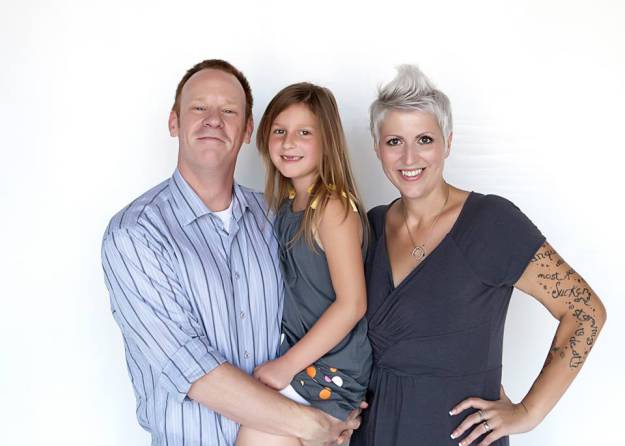
I got my diagnosis on November 21st 2005, just 3 1/2 months after my only child was born. I was having many issues that could be attributed to post partum, but thankfully my doctor dug deeper to find out the reason. I was losing weight at a rapid pace, had a low-grade fever that wouldn’t go away, and shortness of breath. I felt like a truck was parked on my chest. After a chest x ray, they found fluid on my lung, which prompted a CT scan, and that is when they found the mass on my left lung. Our doctor told me I had five months to five years to live, but told us of a surgery that a doctor in Boston pioneered and that it might give me my best bet at survival. Without missing a beat, my husband said, “Get us to Boston.” Twelve days later I was there going through a biopsy and other procedures to confirm the diagnosis and to see if I was a candidate for the surgery. I was and returned to Brigham and Women’s Hospital in Boston a month later to have my left lung removed in a procedure called and extra pleural pneumonectomy. It entails the removal of the entire lung, the lining where the cancer was located, the left half of my diaphragm, and the lining of my heart, both of those were replaced with surgical gore-tex. They also removed my sixth rib. During the surgery they filled my chest with a heated chemo wash, it was let in for an hour then pumped back out..all in all, it was about an eight hour procedure. I spent 18 days in the hospital, and recovered for three more months before starting chemo, and then radiation after that. t was about a year from diagnosis, when I finished my last treatment. I just celebrated eight years cancer free.
2) What did you do to stay positive after the diagnosis? What helped you regain your health?
All I had to do was look at my baby girl and knew she needed her mommy. That kept me positive, and my faith. Faith that I was brought through this for reason and I wanted to make a difference. Time and self-care helped me regain my health. I listen to my body, I keep busy and I love life. A positive outlook and can-do attitude does more than anything.
3) What do you recommend to people to protect themselves from this disease? What do you want people to know about mesothelioma?
Knowledge is power. Prevention to exposure is the only way. Know where asbestos exposure could happen, and avoiding it is key. Home renovation is probably the biggest exposure hazard there is. Before embarking on any renovation in homes built before 1978, familiarize yourself where asbestos could be located. Always call a certified professional to remove any asbestos containing products. If you know you’ve been exposed, communication with your doctor is vital and knowing the signs and symptoms can help. Mesothelioma is rare, and it is so much more the a commercial on daytime TV. It affects real people, of all ages, not only people who worked with it back in the ’50’s -’70’s. Finding a medical team that specializes in mesothelioma treatment is so important. So many doctors don’t understand and have limited experience with it, and can actually do more harm than good. The sooner you are diagnosed, the better the outcome will be. Only about 3000 people a year are diagnosed with it, so it is rare but finding support and others who have been there is so important. The Mesothelioma Applied Research Foundation is an excellent resource for patients and their caregivers.
4) At Maxim Hygiene, we define a Fierce Woman as a “glorious female creature whose idea of beauty is hinged upon the idea that she can change the world with each choice, each moment and each breath of her life.” Who in your life is a Fierce Woman and why?
My Mom. She is quite simply amazing. She is tough, independent, humble and wise. She is beautiful and loving, and has a genuine passion for helping others. I aspire to be more like her.
5) How have you been involved with advocacy around this since the diagnosis and recovery?
It took about 2 years after recovery to really get involved. I had to recover not only my physical well being, but mental as well. I attended a conference for mesothelioma when I was about 4 years out, and met the CEO of the Asbestos Disease Awareness Organization, Linda Reinstein. She asked me to speak at her annual conference that next year, and it started a series of events that led to blogging, more speaking engagements and advocacy efforts. I always tell her she gave me my voice.
6) What advice would you give to women and families affected by this disease?
Don’t give up. Educate and arm yourself with knowledge. Knowledge is power. Don’t try to do it all on your own. Ask for help and accept help that is offered. We women tend to think we can do it all, whether as caregiver or patient, but there comes a time when you need to put pride aside and let others in. There is wisdom in knowing. There is an entire community to lean on. Most of all, have faith…no matter what.
How can one not feel inspired by Heather’s endurance, faith and dedication to advocacy? We encourage you to share this post and information with the people in your family and community, and to remember that “from awareness grows hope.”