
Feminine care products are used on some of the body’s most delicate external skin, often for hours at a time. That makes material choice more than a lifestyle preference. It affects comfort, moisture management, friction, and how confident someone feels during daily discharge, spotting, or light-flow days. While absorbency is often the first feature people compare, the surface material that touches the skin deserves equal attention.
Organic cotton has become a leading material in feminine care because it offers a familiar, breathable, plant-based alternative to highly synthetic surfaces. For people who are trying to reduce exposure to unnecessary fragrances, plastic-heavy designs, or harsh-feeling materials, organic cotton can be part of a more thoughtful hygiene routine.
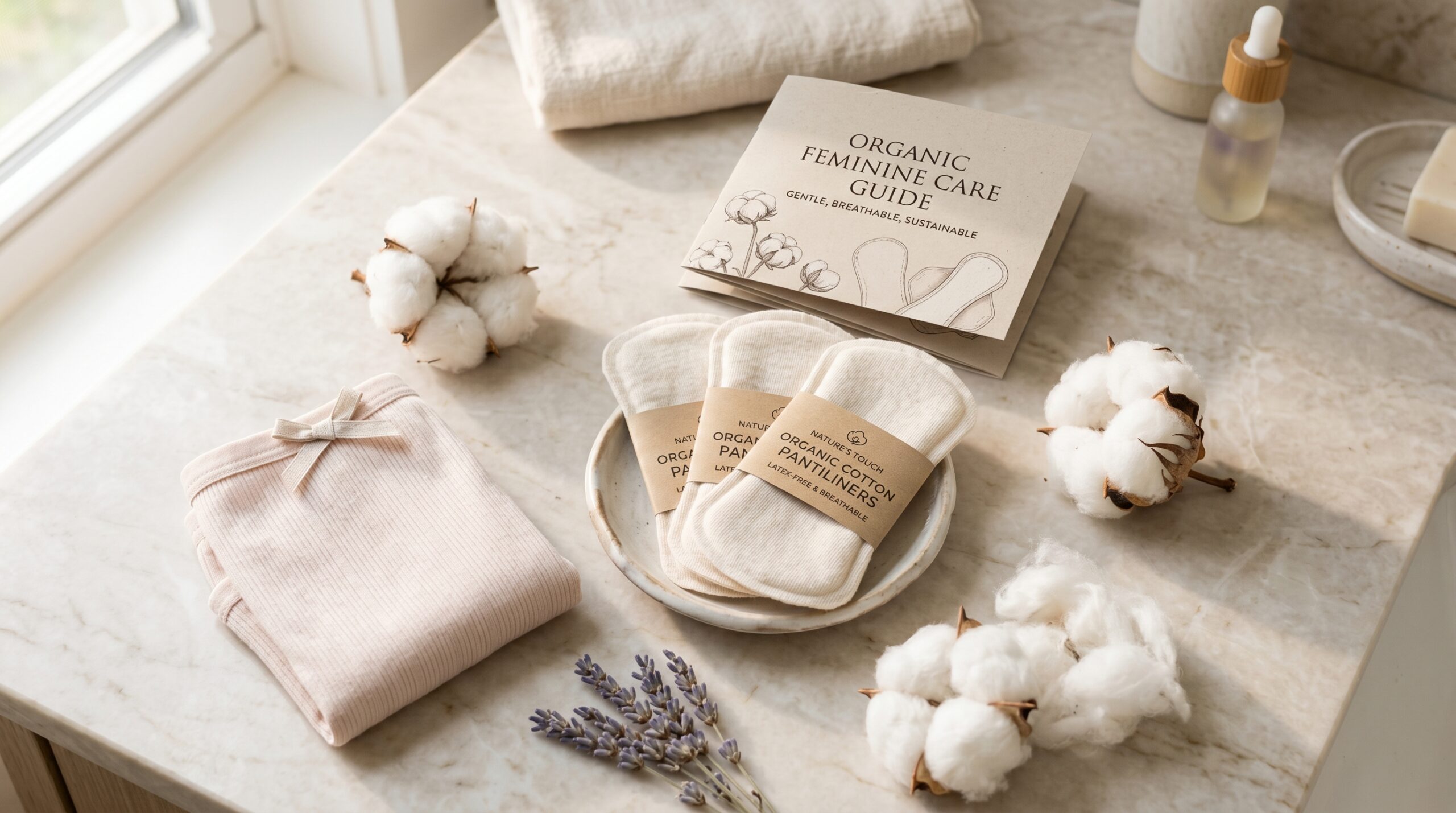
Material choice matters because feminine care products stay in close contact with delicate skin.
Why Skin Contact Should Guide Product Choice
The vulvar area can be sensitive to heat, friction, moisture, dyes, deodorants, and certain product finishes. The American College of Obstetricians and Gynecologists recommends avoiding pads or tampons that contain deodorant or plastic coating when vulvar irritation is a concern, and also emphasizes gentle care practices such as rinsing with water and avoiding perfumed products. You can read more from ACOG’s guidance on common causes of vulvar pain, burning, and itching.
This does not mean every synthetic product causes irritation, nor does it mean organic cotton is a medical treatment. It simply means that when a product is worn against sensitive skin, simplicity and breathability are practical design priorities. Products that minimize unnecessary additives, heavy plastic layers, or scented finishes may be more comfortable for people who prefer a gentler daily-care option.
Breathability and Moisture Management
Comfort in feminine care is closely tied to airflow and moisture control. A pad or pantiliner that traps too much warmth or humidity may feel uncomfortable during long wear, especially in warm climates, during exercise, or when sitting for extended periods. Cotton is valued because it allows air movement and can feel soft against the skin.
Clinical vulvar care guidance from University of Iowa Health Care notes that cotton allows air in and moisture out, which is one reason cotton garments are often recommended for vulvar comfort. While underwear and pads are not identical products, the principle is similar: materials that support airflow can help create a more comfortable wearing experience. Their vulvar skin care guidelines reinforce the role of cotton and loose, breathable choices in reducing irritation triggers.
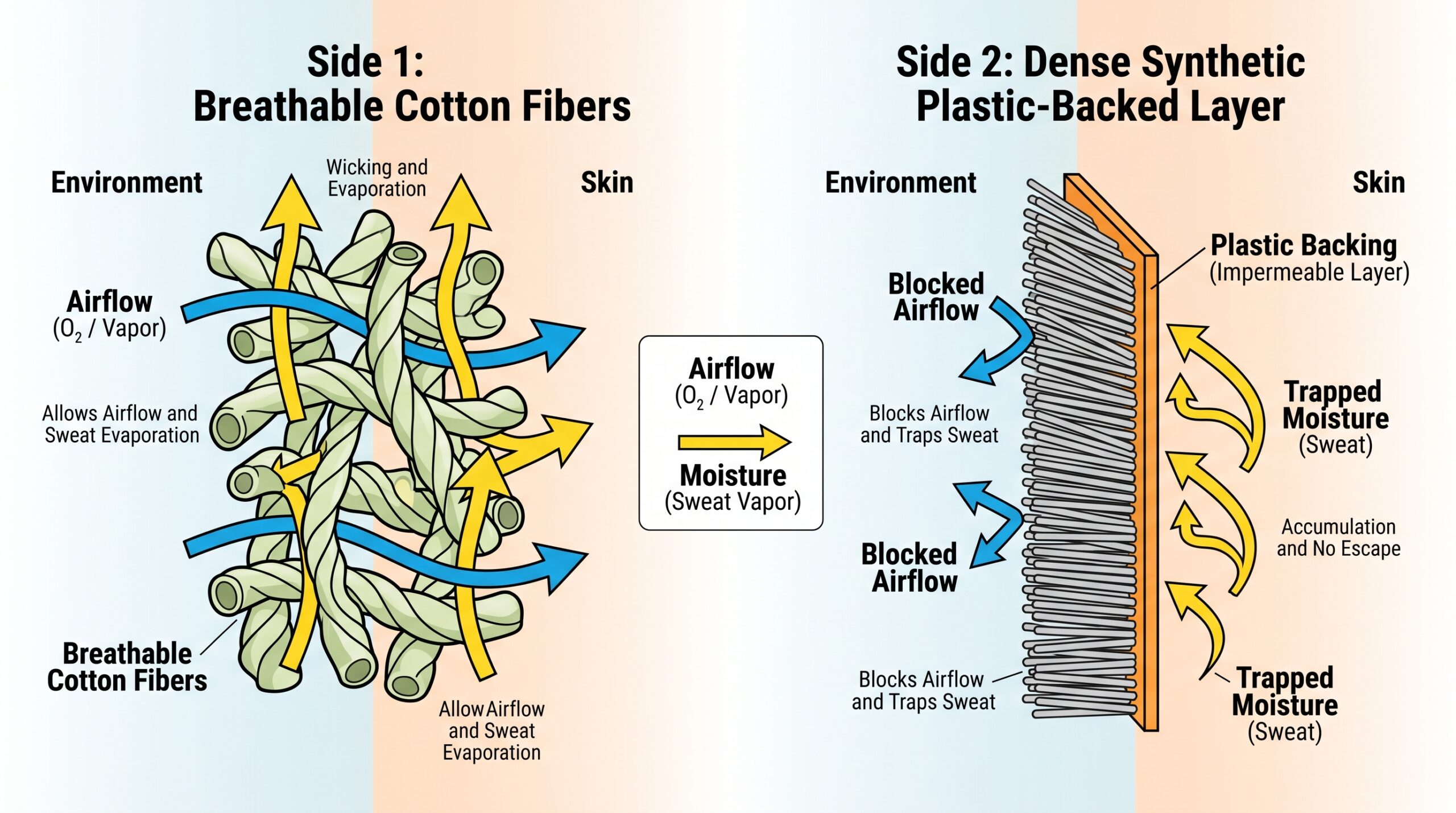
Breathability helps reduce the warm, damp feeling that can occur during extended wear.
What “Organic” Adds to the Conversation
Organic cotton refers to cotton grown according to organic agricultural standards, but shoppers should also look at processing and certification language. A product can use organic cotton fiber, while the full textile may still involve additional processing steps. This is where recognized standards become useful.
The Global Organic Textile Standard, commonly known as GOTS, is one of the most recognized textile standards for organic fibers. It covers ecological and social criteria and uses independent certification across processing stages. GOTS notes that certified final products may include personal hygiene products, making the standard especially relevant when evaluating organic cotton feminine care claims. Learn more from the Global Organic Textile Standard.
For consumers, this means “organic cotton” is strongest when paired with clear information about certification, fiber content, and product construction. The more transparent a brand is about materials, the easier it is to make an informed choice.
Reusable Organic Cotton and Everyday Practicality
Reusable organic cotton pantiliners and pads add another layer to the discussion: long-term use. Instead of being worn once and discarded, reusable options are washed and used again. This can appeal to people who want to reduce recurring waste, simplify their routine, or keep a small supply of washable liners for discharge, spotting, backup protection, or light-flow days.
A product such as Maxim Organic Cotton Reusable Pantyliners with Wings is a practical example of how organic cotton can be used in daily feminine care. The winged design helps the liner stay positioned, while the washable format supports a lower-waste routine. Rather than replacing every product for every situation, reusable cotton liners can become one part of a flexible care system.
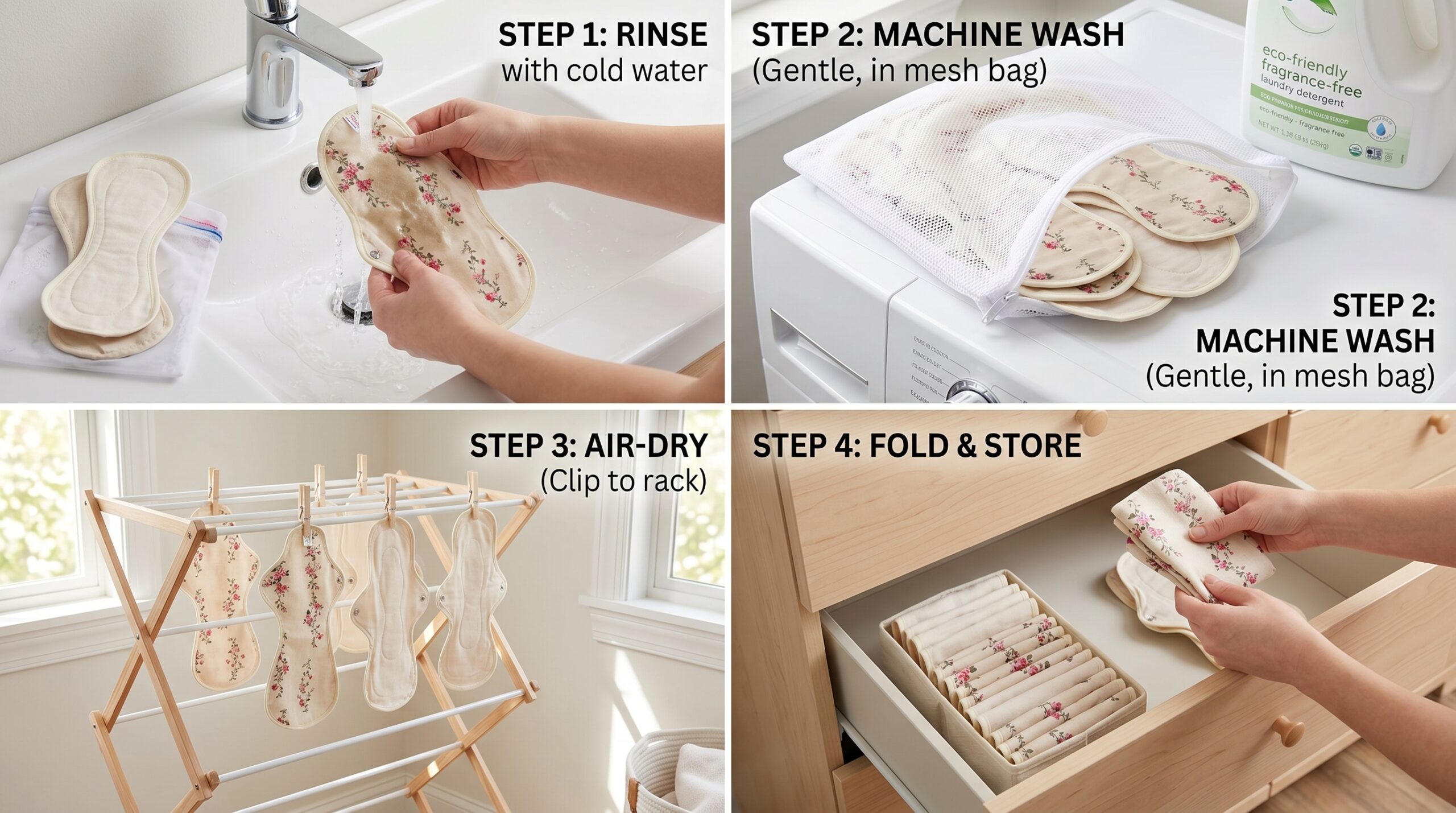
Proper washing and drying help reusable cotton liners remain fresh, comfortable, and ready for repeat use.
Material Safety and Product Transparency
The U.S. Food and Drug Administration regulates menstrual tampons and pads as medical devices, and its guidance discusses material safety considerations such as chemical residues for certain menstrual products. While reusable pads and pantiliners differ from tampons in use and design, the broader lesson is that feminine care materials should be evaluated thoughtfully. Consumers benefit when brands provide clear information about what touches the body. The FDA’s guidance on menstrual tampons and pads offers useful context for why material scrutiny matters.
Shoppers can ask a few practical questions: Is the surface material identified? Are fragrances or deodorants used? Is the product designed for airflow? Is washing guidance clear? Are certifications or organic claims explained? These questions turn product selection into an informed decision rather than a guess.
Choosing Feminine Care That Fits Your Body
No single material is perfect for everyone. Some people prioritize maximum absorbency, others want a low-waste routine, and many simply want something soft, breathable, and dependable for everyday use. Organic cotton is not important because it sounds natural; it is important because it encourages a closer look at skin contact, transparency, airflow, and comfort.
For people who experience frequent irritation, unusual odor, persistent itching, pain, or recurring discharge changes, product choice should not replace medical care. A healthcare professional can help identify whether symptoms are related to infection, allergy, dermatitis, or another condition.
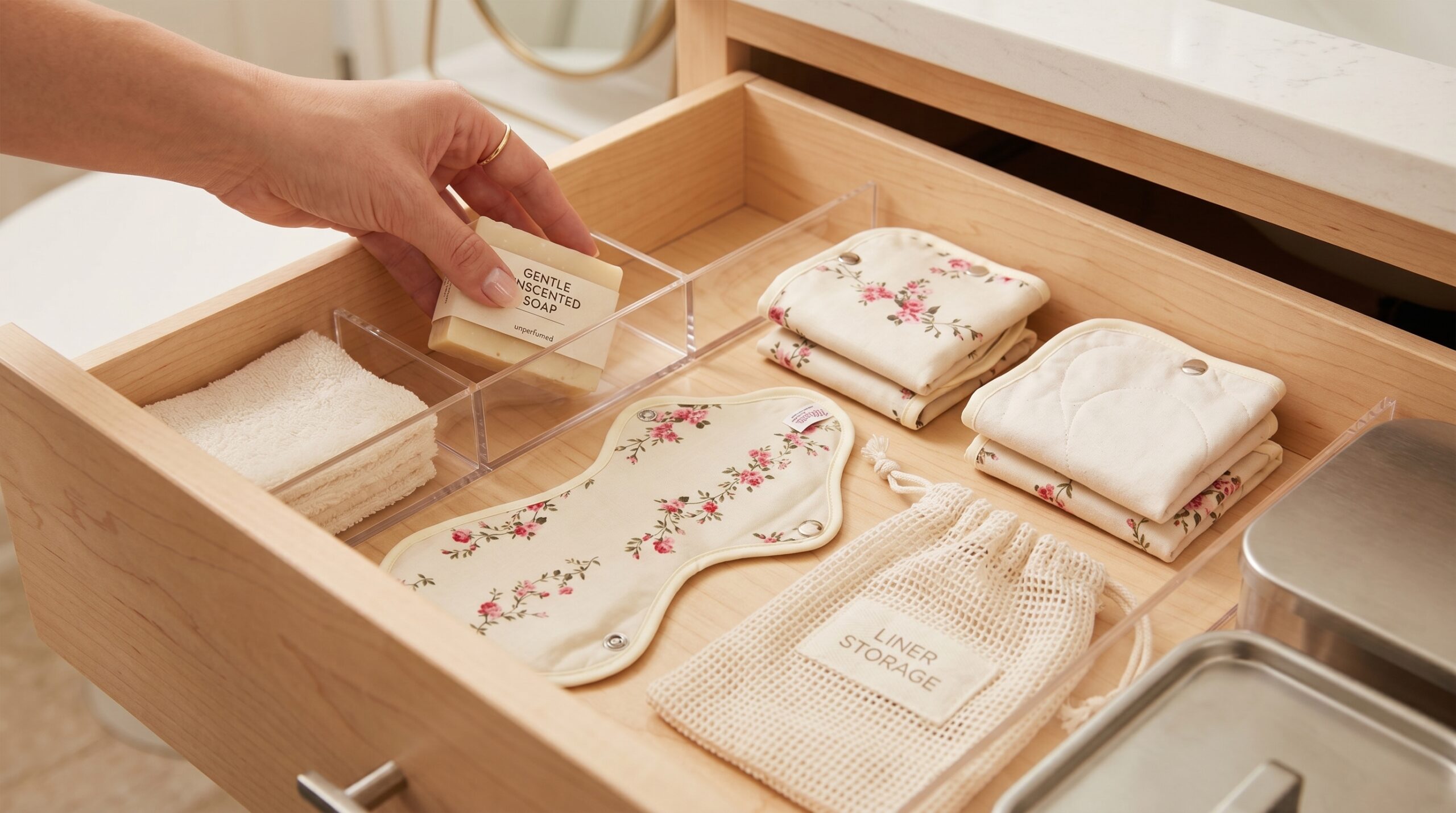
A thoughtful feminine care routine starts with materials that match your comfort, lifestyle, and daily needs.