
Trigger warning: this article discusses campus rape and sexual assault.
The beginning of a new school year often brings such excitement and anticipation. There’s the wonder of the unknown: new friends, new adventures and new opportunities both inside and outside of the classroom. But what happens when the place you think is safe to learn and expand becomes hostile and triggering?
That what happens to thousands of young women each year who are survivors of campus rape. One out of five women will be sexually assaulted during their college years and 90% of perpetrators are repeat offenders. However, colleges and universities have been turning a blind eye, ignoring survivors, stigmatizing them, blaming them and/or keeping them silent. It is not a new issue but one that is finally getting attention thanks to activists like our Fierce Woman of the month, Wagatwe Wanjuki.
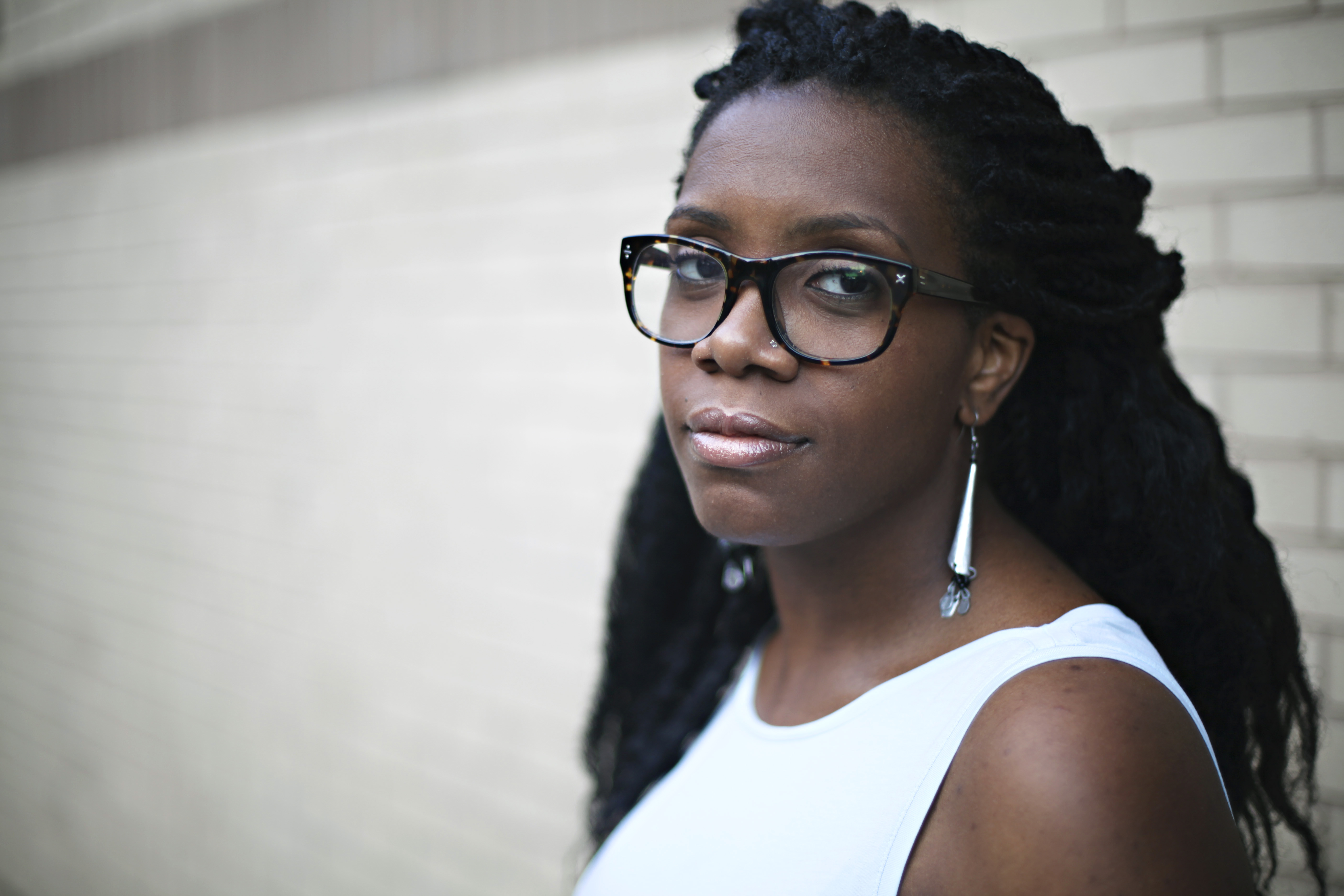
Wagatwe Wanjuki is a feminist writer and social media activist who has been using her voice and online presence to speak out against campus rape and the despicable ways that colleges and universities handle these cases. As a survivor herself, she is outspoken in her advocacy and bravely shares her own experience to inspire others to speak their own truths and join the movement to end rape culture and the blame game that rape and sexual assault survivors often face. Wagatwe has spoken in Washington, D.C. working with the White House to take up this issue more seriously, is a sought after speaker at campuses around the country, and has been keeping this cause in the media through her writing and press interviews. We interviewed her about her powerful work educates and inspires survivors around the world.
1) At Maxim Hygiene, we define a Fierce Woman as a “glorious female creature whose idea of beauty is hinged upon the idea that she can change the world with each choice, each moment and each breath of her life.” Who in your life is a Fierce Woman and why?
I am really lucky because I can say without hesitation that my life is full of Fierce Women. When I read your question I immediately thought of the fellow survivors and activists I’ve met over the past few years who have become some of my best friends and fiercest advocates. I am surrounded by individuals who have used their own experiences and knowledge to become activists for safer campuses, and thus a safer world. I am inspired by their commitment to fight rape culture through so many ways – whether it’s from influencing national legislation or telling a survivor what happened to them is not their fault.
2) You have become a fierce activist and spokesperson about sexual assault prevention and rape culture, especially online. How did you get involved in this work?
It all started after I turned to Tufts University to help me in the aftermath of an abusive relationship. They refused to do anything to help me. After I got over the initial shame and hurt of being denied any mode of justice through the school, I connected with another survivor who also had a bad experience with the administration after reporting her own rape. She found and brought the organization SAFER to campus, who trained us on student organizing and what a good sexual assault policy is. A year later I joined their board of directors to work on this issue at a national scale. Since then I’ve worked in a variety of ways – most recently with Know Your IX to advocate for safer campuses.
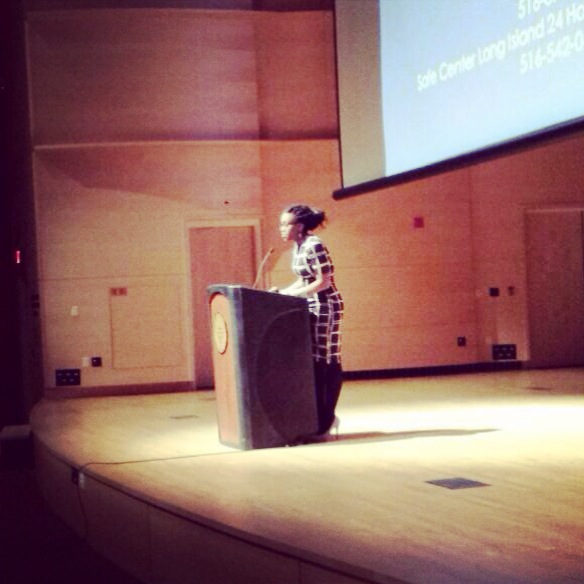
Wagatwe speaking at a university about campus rape and online advocacy.
3) What is the Know Your IX campaign? How can people participate?
Know Your IX is an education campaign designed to educate students and their loved ones about their rights under Title IX in relation to sexual violence. It also provides resources to student organizers and survivors about different issues that often arise when organizing for social change, such as working with media, looking for an attorney, or dealing with racism on campus. To get involved, people should check out the website. There are a variety of ways to get involved. Most recently, KYIX launched a campus action network for students organizing about sexual violence on their campuses.
4) You were a blogger before “blogs” existed! How has the Internet shaped your life and specifically your activism?
Yes! It is no exaggeration that my life would not be anything close to what it is today without the internet. When I was younger I was really shy and had parents who were strict and did not let me socialize with classmates as much as I’d like. The internet was the place where I found my voice. I felt free to say what I thought and – maybe just as importantly – I felt like I had the freedom to connect with other people that were understanding and caring. I found a great support system through the internet. While I may not have met most of the people I’ve befriended in the early years of my online writing, they have definitely had a significant impact on shaping who I am today.
5) What is the one thing you most want people to know about rape culture and campus sexual assault?
One of the reasons why I advocate for colleges to better handle sexual assault is that academic institutions claim to hold their students to a certain “code of conduct.” If cheating on a test is a violation of that code, sexual assault should be one as well. College is an important time in one’s life. We have to teach young people (and older, “non-traditional” students!) that violating another person’s body is wrong and is unacceptable – on campus or off.