
A good facial sheet mask can feel like an instant skin reset, but the real value is not magic—it is formulation science. Sheet masks are designed to hold a water-rich formula close to the skin for a short period, usually long enough to support surface hydration, soften the feel of dryness, and make skin look temporarily smoother. For people who want a low-effort skincare step before makeup, travel, or a quiet evening routine, understanding how sheet masks work helps separate practical benefits from exaggerated claims.
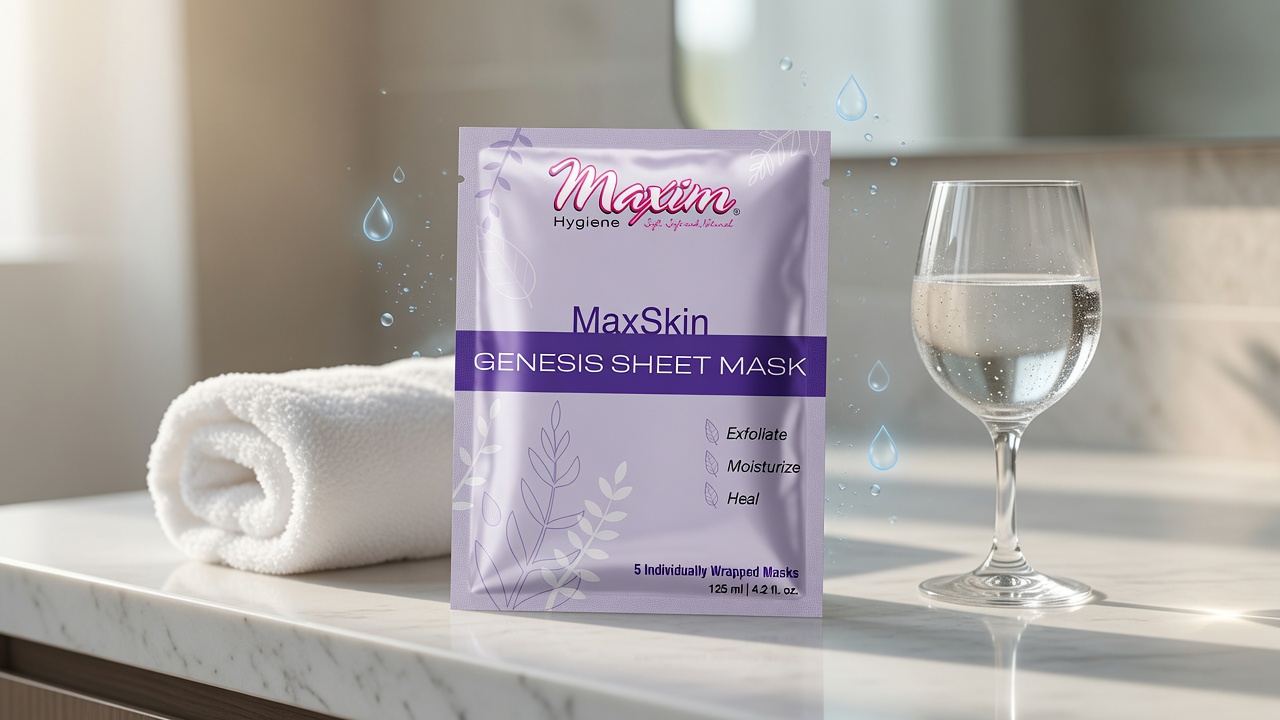
Sheet masks work best when understood as short-contact hydration tools, not miracle treatments.
Why Hydration Matters to the Skin Barrier
The outermost layer of the skin, called the stratum corneum, plays a major role in how skin looks and feels. When this layer has enough water, skin often appears smoother, more flexible, and less dull. When it loses water, it may feel tight, rough, or flaky. Research on moisturizers describes the stratum corneum as a critical moisture barrier that relies partly on water-binding components known as natural moisturizing factors.
This is where hydration-focused skincare can help. Moisturizers, serums, and masks often use ingredients that attract or hold water. The American Academy of Dermatology notes that dermatologists may recommend moisturizers with ingredients such as glycerol to hydrate dry skin and restore the outer layer.
The Role of Humectants in Sheet Mask Hydration
Humectants are ingredients that attract and bind water. In skincare, they help increase the water content of the skin’s surface layers, giving skin a plumper and more comfortable feel. Common humectants include glycerin, butylene glycol, betaine, and hyaluronic acid.
Glycerin, also called glycerol, is one of the most studied humectants in cosmetic and dermatology literature. A clinical review notes that glycerin and hyaluronic acid are considered potent moisturizing humectants, and studies often evaluate their effects on stratum corneum hydration and transepidermal water loss. Another study published through PubMed found that glycerol improved stratum corneum hydration and supported barrier recovery mechanisms.
A facial sheet mask formula that includes humectants is built around this principle. The liquid essence provides water and water-binding ingredients, while the sheet itself keeps that formula in close contact with the face. The MaxSkin Facial Sheet Mask, for example, is positioned as a quick 15-minute skin refresh for lightweight hydration, travel, self-care nights, and pre-makeup preparation. Its listed product information highlights moisture-supporting ingredients such as butylene glycol, glycerin, and betaine. Its listed product information highlights moisture-supporting ingredients such as butylene glycol, glycerin, and betaine.
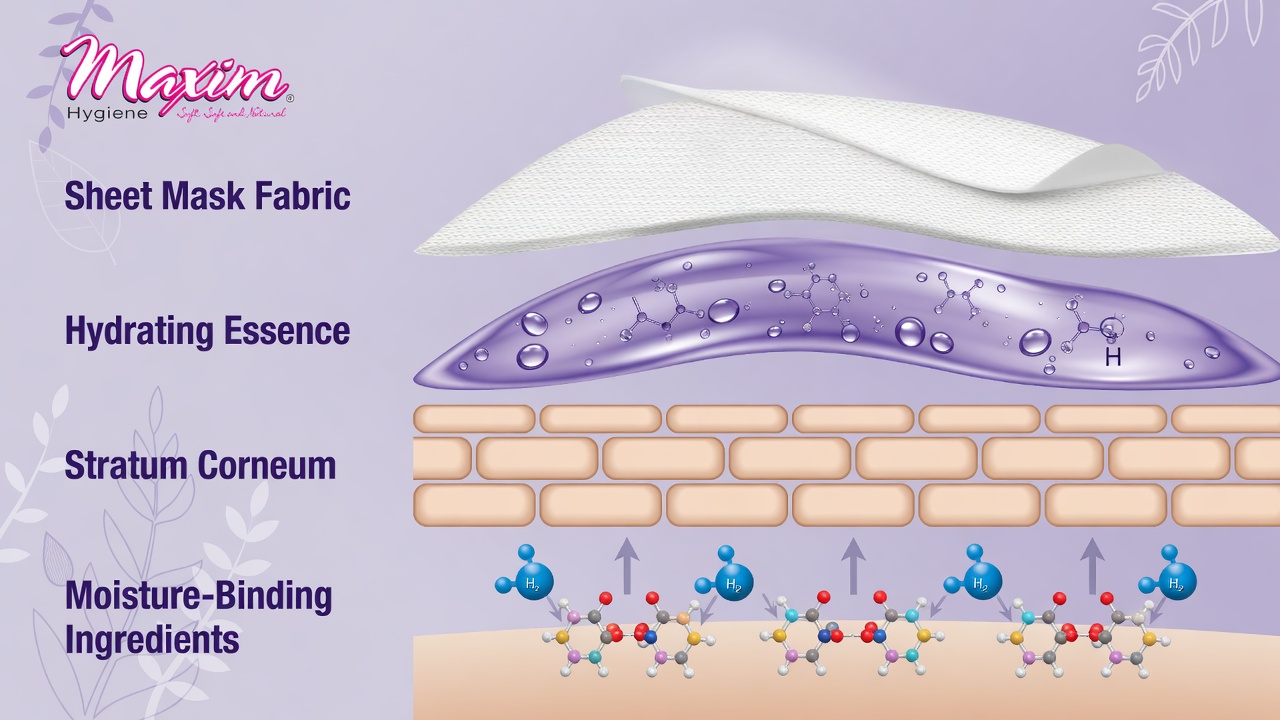
Humectants help attract and hold water at the skin’s surface during a short masking session.
Why the Sheet Itself Matters
The fabric or bio-cellulose layer of a sheet mask is not just packaging—it changes how the formula sits on the skin. By covering the face, the sheet slows down rapid evaporation and helps keep the serum-like essence in place. This creates a temporary occlusive effect, meaning the skin is covered in a way that encourages the formula to remain on the surface longer than a splash-on toner or lightweight mist.
This temporary covering is different from a heavy occlusive ointment, but the idea is related. Skincare education from the National Center for Biotechnology Information explains that humectants attract and bind water, while some formulations may need an occlusive element to reduce water loss and prevent dryness in certain environments.
For sheet masks, the benefit is time-controlled contact. The user does not need to wear the mask for an hour. In fact, leaving a sheet mask on until it dries completely can be counterproductive, because the dry sheet may start pulling moisture back from the skin’s surface. A 10–20 minute window is often more practical, and MaxSkin’s 15-minute positioning fits this common use pattern.
What a 15-Minute Routine Can—and Cannot—Do
A sheet mask can support temporary hydration, comfort, and a fresher-looking surface. It may help makeup glide on more evenly, especially when skin feels tight or dehydrated. It can also serve as a calming ritual, which matters because consistency is often easier when skincare feels pleasant.
However, a sheet mask should not be treated as a replacement for a complete skincare routine. It does not replace daily sunscreen, long-term barrier care, or treatment for persistent skin conditions. The U.S. Food and Drug Administration explains that cosmetics are regulated, but most cosmetic products and ingredients do not require FDA approval before going to market, except color additives. That makes realistic expectations important: cosmetic masks can improve the look and feel of skin, but they should not be framed as medical treatments.
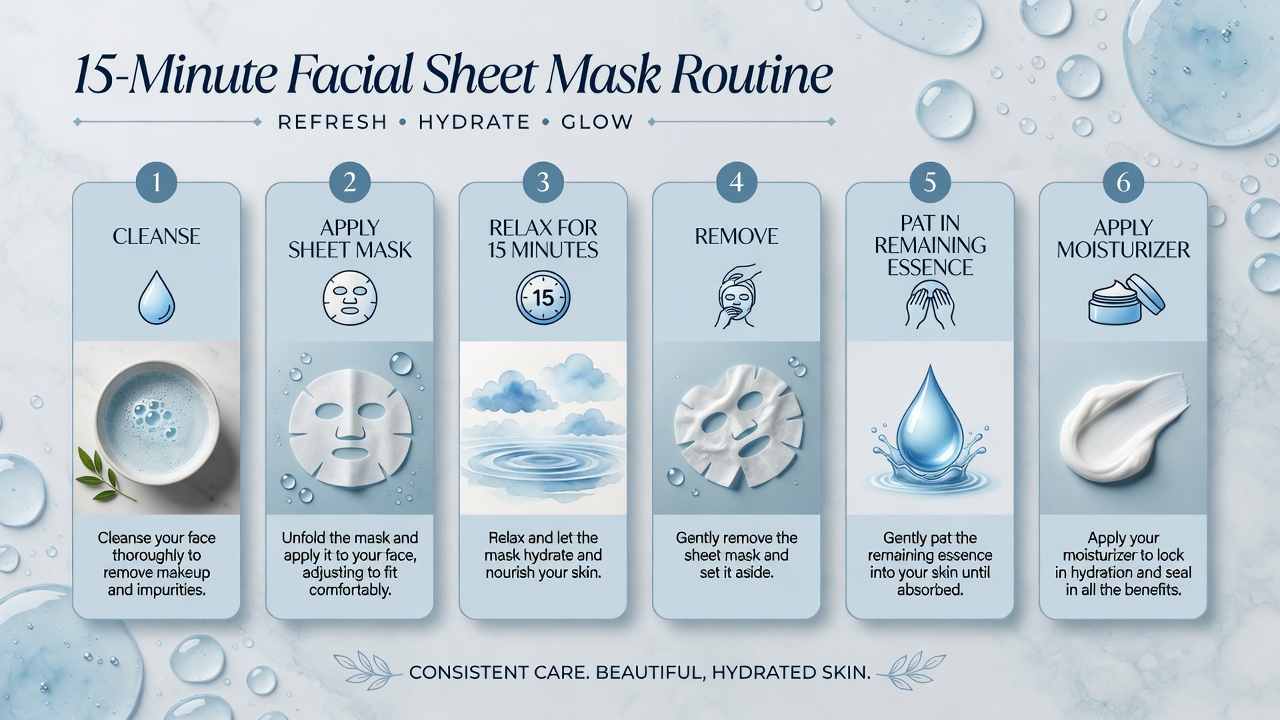
A simple sequence helps maximize comfort and avoid overusing the mask.
Best Practices for Better Results
Start with clean skin. A sheet mask should be applied after cleansing so the hydrating essence can sit evenly on the face. Avoid applying it over makeup, sunscreen, or heavy residue.
Use the recommended time. More is not always better. Remove the mask while it is still damp, then gently pat in the remaining essence rather than rinsing it off.
Follow with moisturizer when needed. This is especially useful in dry environments, during air travel, or in air-conditioned rooms. Humectants attract water, but a moisturizer can help seal in the hydrated feeling.
Patch test if your skin is reactive. Botanical extracts and fragrance components can be pleasant for many users but may not suit every skin type. People with eczema, rosacea, or frequent irritation should be especially cautious with any new cosmetic product.
Where Sheet Masks Fit in a Smart Skincare Routine
The best way to view a sheet mask is as a support step. It is not the foundation of skincare; cleansing, moisturizing, and sun protection are still the essentials. But as an occasional hydration boost, a facial sheet mask can be useful before makeup, after travel, during seasonal dryness, or whenever skin feels temporarily tired.
The MaxSkin Facial Sheet Mask fits naturally into this category: a single-use, 15-minute hydration step designed for convenience and comfort rather than a complicated multi-product routine. Used with realistic expectations, it becomes less of a beauty trend and more of a practical skincare tool.
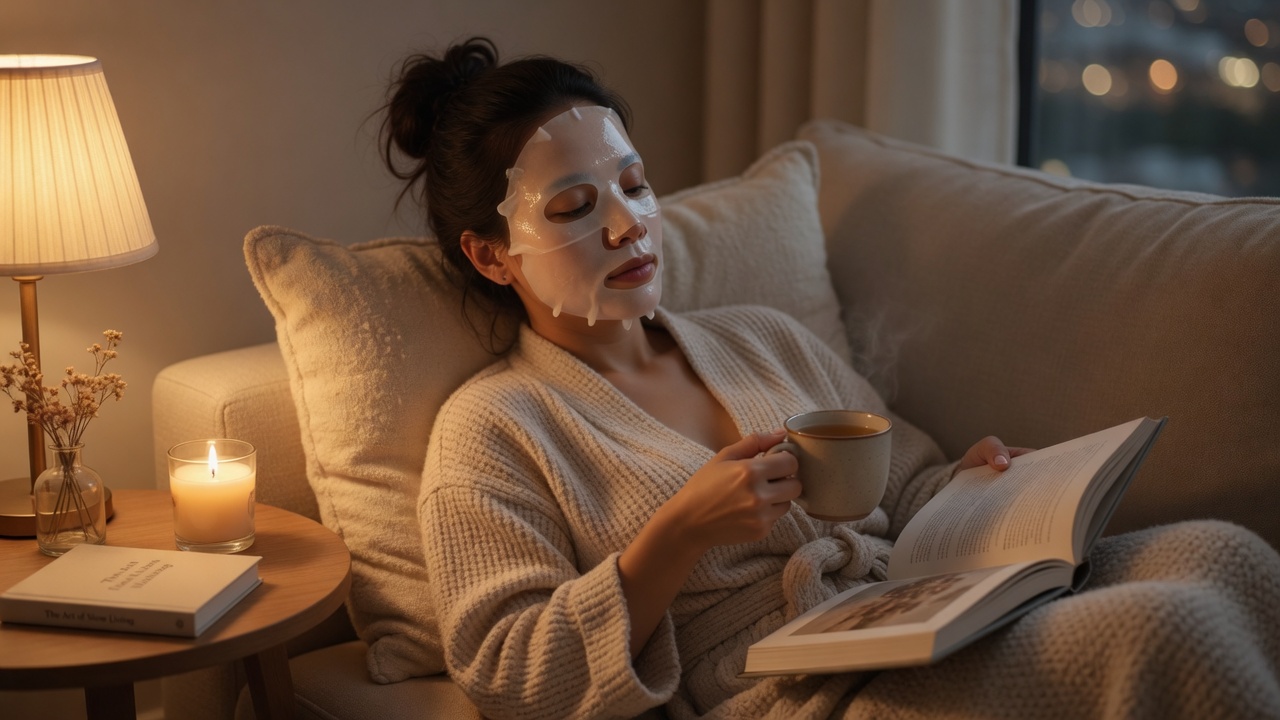
Sheet masks can combine practical hydration support with a calming self-care ritual.
Final Takeaway
Sheet masks support hydration through three simple mechanisms: humectants that attract water, a sheet layer that holds the essence close to the skin, and a short contact period that gives the formula time to work. When followed by moisturizer and used as part of a balanced routine, a 15-minute sheet mask can help skin feel softer, fresher, and more comfortable—without requiring an elaborate skincare process.