
Have you ever felt a wave of nausea, dizziness, stomach upset, or flu-like discomfort right before or during your period? Some people describe it as a “monthly flu.” Others say it feels like motion sickness, a stomach bug, or a full-body shutdown that arrives with frustrating predictability.
Period nausea is real, common, and often under-discussed. It may show up alongside cramps, diarrhea, fatigue, headaches, back pain, or a general feeling of being unwell. Cleveland Clinic notes that dysmenorrhea, the medical term for painful periods, can include symptoms such as nausea, fatigue, and diarrhea in addition to cramping.
At Maxim, we believe menstrual health conversations should reflect what people actually experience, not just the symptoms that are easiest to mention. Period nausea is not “being dramatic.” It is a physical response that deserves understanding, support, and practical relief strategies.
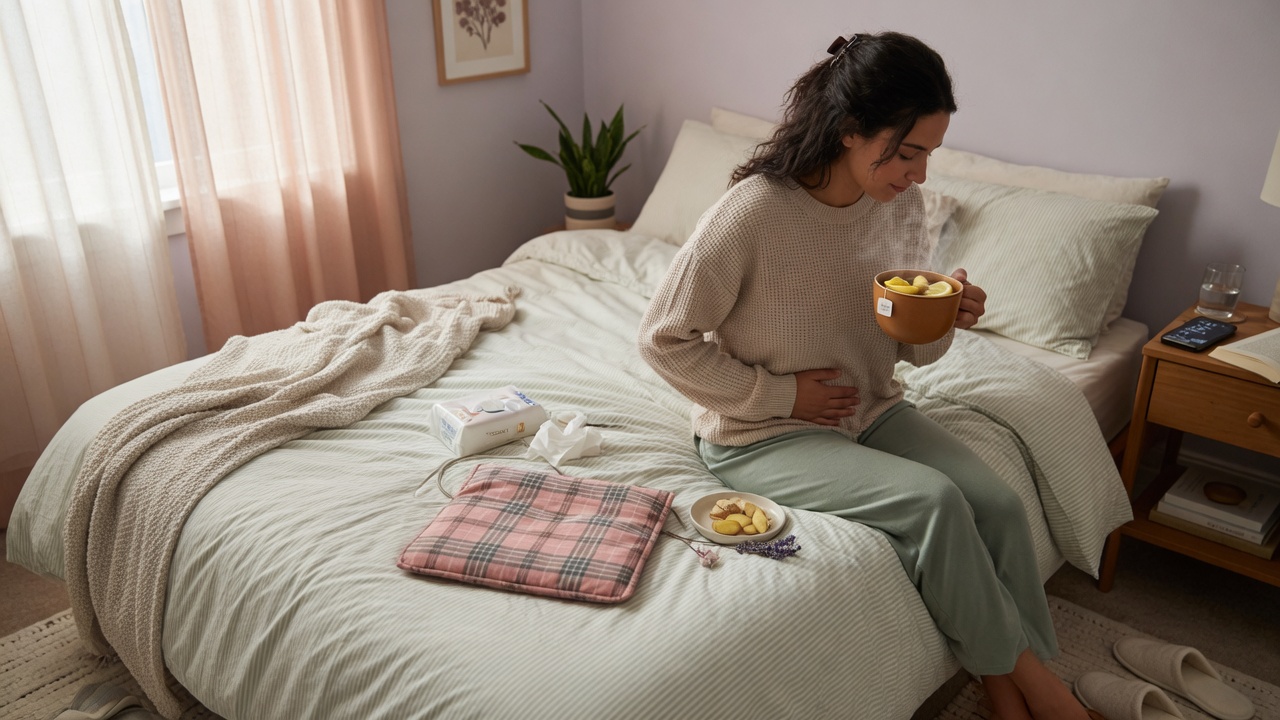
Period nausea can feel like a monthly flu, but supportive care may help ease symptoms.
What Causes Period Nausea?
One of the main reasons period nausea happens is prostaglandins. These hormone-like chemicals help the uterus contract so it can shed its lining during menstruation. The American College of Obstetricians and Gynecologists explains that the uterus releases prostaglandins during the menstrual period, and these chemicals can cause cramps.
The problem is that prostaglandins do not always feel limited to the uterus. They are involved in inflammation, pain, and uterine contractions, and they can contribute to stronger cramps and wider body discomfort. When cramps become intense, nausea may follow. Some people also experience loose stools or digestive upset around their period, which can make the “monthly flu” feeling even more convincing.
Hormonal changes may also play a role. Shifts in estrogen and progesterone can influence digestion, appetite, fluid balance, and how sensitive the body feels to pain and discomfort. For some people, nausea appears before bleeding starts. For others, it peaks on the first or second day of their period.
Why the “Period Flu” Gets Ignored
Period nausea is rarely given the same attention as cramps, even though the two often happen together. Many people are taught that periods are supposed to be painful, messy, and inconvenient, so they learn to minimize symptoms that interfere with school, work, caregiving, travel, or daily life.
This silence has consequences. People may spend years thinking severe nausea is normal. They may avoid asking for help because they worry they will be dismissed. They may push through workdays while feeling faint, sweaty, or unable to eat.
The NHS advises seeing a GP if period pain interferes with usual daily activities, becomes more painful, heavier, or irregular, or is accompanied by other concerning symptoms such as bleeding between periods, pain during sex, or pain when urinating or having a bowel movement. That guidance matters because severe period symptoms should not automatically be treated as something to endure.
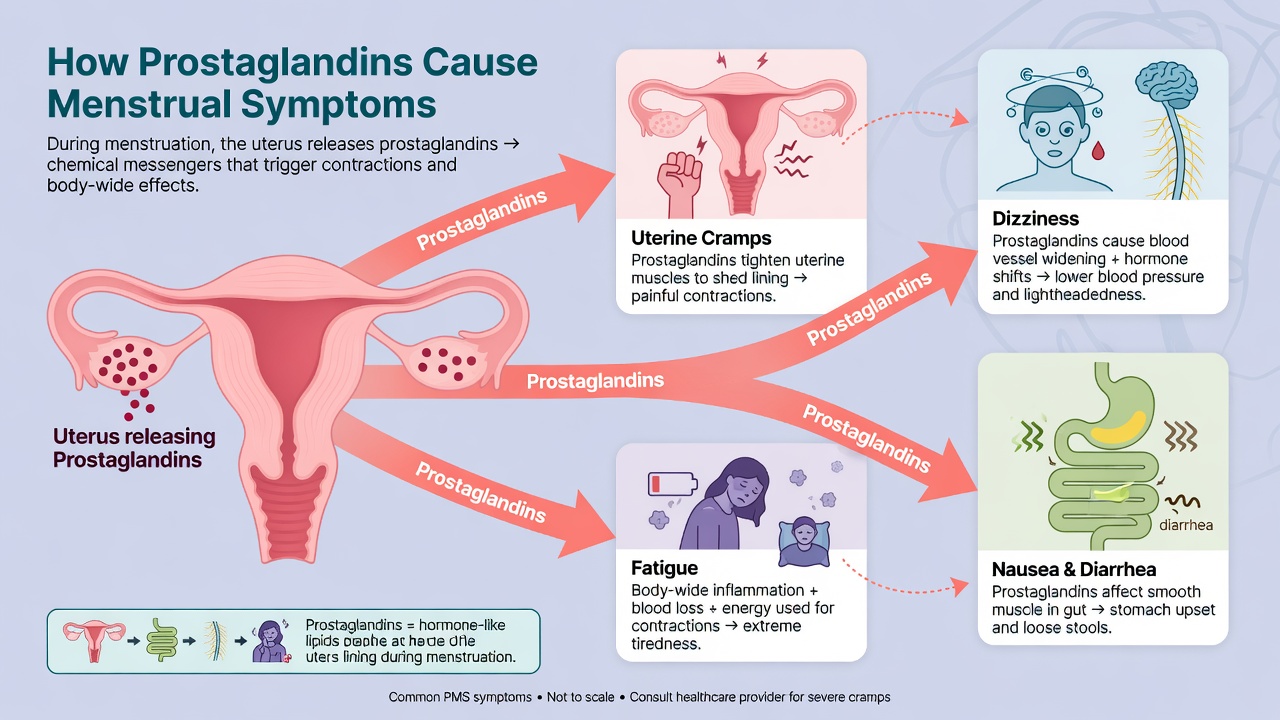
Prostaglandins help the uterus contract, but they may also contribute to digestive and flu-like period symptoms.
Practical Ways to Manage Period Nausea
Period nausea relief often works best when it addresses both the stomach and the cramps that may be triggering nausea.
Start with gentle hydration. Sip water, herbal tea, or an electrolyte drink slowly, especially if you have vomiting or diarrhea. Taking large gulps can sometimes worsen queasiness, so small, steady sips are usually easier to tolerate.
Choose simple foods when your stomach feels unsettled. Bland options such as toast, rice, bananas, applesauce, crackers, soup, or oatmeal may be easier than greasy, spicy, or heavy meals. Small, frequent meals can also help prevent the empty-stomach nausea that sometimes appears during a difficult period.
Ginger may help some people with nausea. Ginger tea, ginger chews, or ginger capsules are common options, though anyone taking blood-thinning medication, preparing for surgery, or managing a medical condition should ask a healthcare professional before using ginger supplements.
Heat therapy can also be useful. Mayo Clinic lists heat, including a heating pad, hot water bottle, heat patch, or warm bath, as a self-care option that may help ease menstrual cramps. Since cramps and nausea often travel together, reducing cramp intensity may also make the stomach feel calmer.
Rest matters, too. When the body is dealing with pain, bleeding, digestive upset, and hormone shifts at the same time, fatigue can amplify nausea. A slower schedule, gentle stretching, deep breathing, or lying on your side may help your nervous system settle.
Comfort Products Can Support the Experience
Menstrual products do not cure nausea, but comfort still matters when your body already feels overstimulated. A pad that feels irritating, bulky, heavily fragranced, or uncomfortable can make a difficult period feel even harder.
For people who prefer pads, breathable and gentle materials may support a more comfortable period routine. Maxim’s organic cotton pads and liners are designed for those who want menstrual care products made with organic and natural cotton, without chlorine bleaching, dyes, synthetics, or fragrances listed on the product page.
This is not a treatment for period nausea. Rather, it is one small part of a broader comfort plan: hydration, warmth, rest, symptom tracking, medical support when needed, and menstrual products that feel good against sensitive skin.
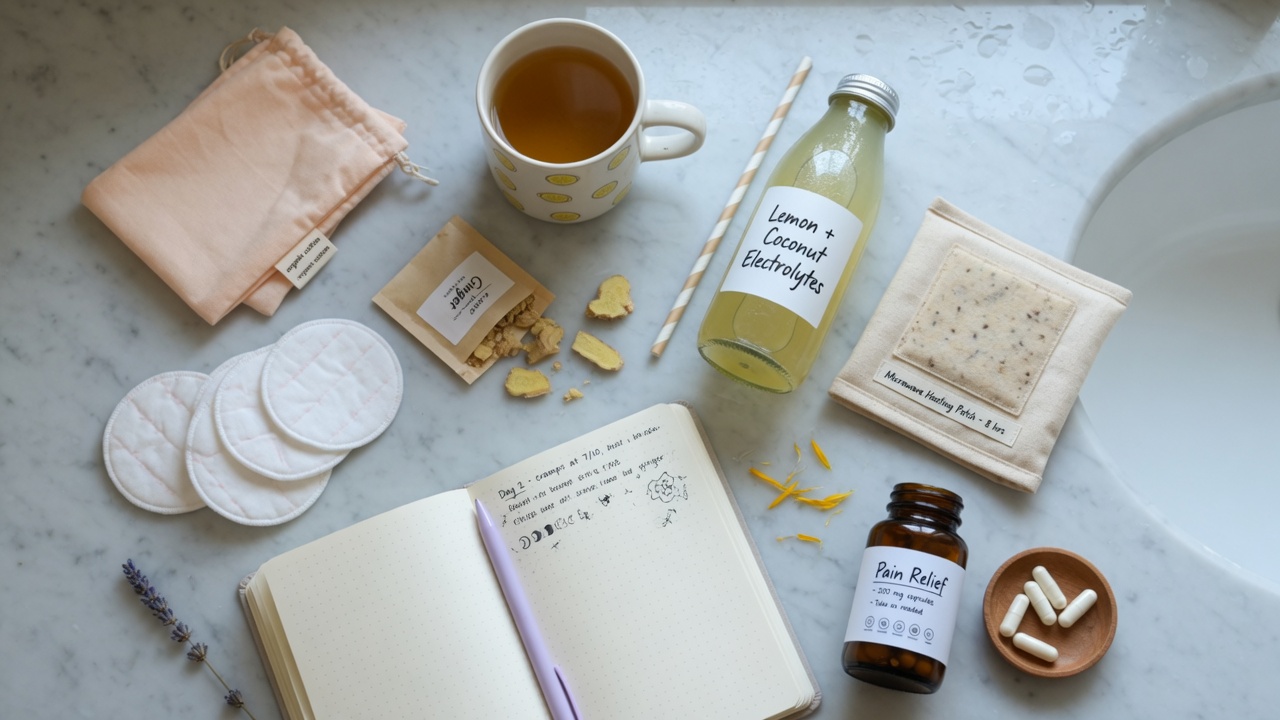
A period comfort kit can help make nausea, cramps, and fatigue easier to manage.
When to Consider Medical Support
Occasional mild nausea may not be alarming, especially if it improves with rest, fluids, food, heat, or over-the-counter care. But intense, recurring, or disabling nausea deserves medical attention.
Speak with a healthcare provider if nausea causes vomiting, dehydration, missed work or school, fainting, severe pelvic pain, unusually heavy bleeding, bleeding between periods, pain during sex, or symptoms that are getting worse over time. Period nausea can be part of primary dysmenorrhea, but it can also appear with conditions such as endometriosis, fibroids, adenomyosis, pelvic inflammatory disease, or gastrointestinal disorders.
Anti-inflammatory medications such as ibuprofen or naproxen may help some people because they reduce prostaglandin-related pain pathways. The NHS lists anti-inflammatory medicines among treatments a GP may recommend for severe period pain. Hormonal treatments may also be considered for some people with dysmenorrhea; a clinical review from the American Academy of Family Physicians notes that hormonal therapies can improve symptoms by thinning the endometrial lining and reducing prostaglandin production.
The key point is this: if your period makes you feel sick every month, you are allowed to ask for help.
Ending the Silence Around Period Nausea
The phrase “monthly flu” may sound casual, but the experience can be deeply disruptive. It can affect appetite, concentration, mood, productivity, sleep, and confidence. It can make people plan their lives around a calendar of symptoms they were never properly taught to understand.
Ending the silence starts with naming the symptom. Period nausea is not imaginary. It is not weakness. It is not something people should have to hide in a bathroom stall, whisper about at work, or dismiss as “just PMS.”
Better menstrual health education should include nausea, diarrhea, dizziness, fatigue, and the emotional toll of recurring symptoms. Better healthcare conversations should invite patients to describe the full experience of their cycle. Better period care should recognize that comfort is physical, emotional, and practical.

Open conversations help reduce stigma around overlooked period symptoms like nausea.
Period nausea may be common, but suffering in silence should not be. With clearer education, practical relief strategies, supportive products, and appropriate medical care, the “monthly flu” can become something people understand and manage, not something they are expected to quietly endure.
Disclaimer: This article is for informational purposes only and is not a substitute for professional medical advice. Always consult a qualified healthcare provider for personalized diagnosis and treatment.